
AOTI Inc (AIM:AOTI), the wound care technology group, said every speaker at a public hearing on proposed Medicare coverage for topical oxygen therapy backed the measure.
The virtual meeting, held on Wednesday, formed part of a 45-day comment period on a draft Local Coverage Determination, the document that sets out when Medicare will pay for a treatment.
The proposed determination would establish coverage criteria for topical oxygen therapy for Medicare patients with diabetic foot ulcers that have not healed after four consecutive weeks of optimised care.
AOTI said all commenters at the session were unanimously favourable.
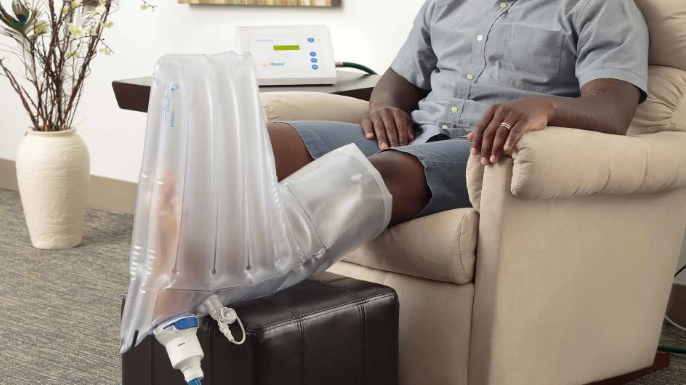
Reimbursement in the US is the central commercial question for the company, which sells a multi-modality device known as TWO2 that delivers oxygen intermittently to a sealed chamber around the wound.
Broad Medicare coverage would open access to a large elderly and diabetic patient population currently treated through private insurers or self-pay arrangements.
The hearing was hosted by the Durable Medical Equipment Medicare Administrative Contractors, the bodies appointed by the Centers for Medicare and Medicaid Services (CMS) to write coverage rules for medical equipment and supplies.
Those contractors will now review submissions before finalising the determination.
The formal comment period closes on Saturday 5 September 2026.
The contractors have up to 365 calendar days from publication of the draft to complete the process, meaning a final decision may not arrive until well into next year.
Mike Griffiths, chief executive and president, said the company was delighted with the views expressed at the meeting and looked forward to working with CMS as it finalises the determination.
He said many advocates of the company's intermittent topical oxygen approach had taken part.
Griffiths described AOTI as the market leader in topical oxygen therapy and said it intended to extend its home-based, outcomes-based care model across the US and beyond.
The determination remains a proposal and its final wording, including any restrictions on eligible patients, has yet to be settled.


