
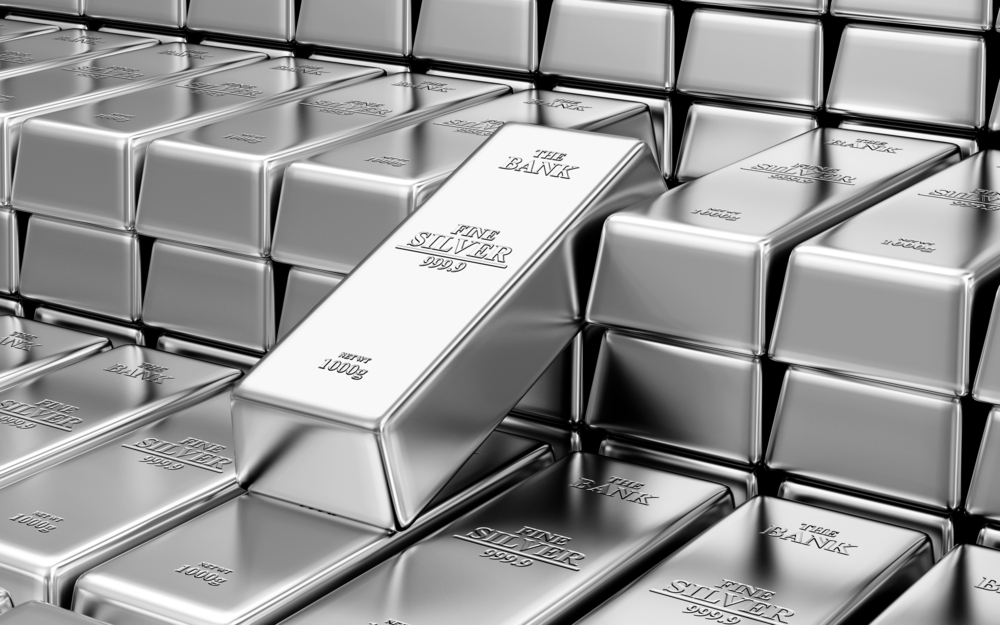
Fresnillo PLC (LSE:FRES) led the FTSE 100 fallers on Tuesday, dropping 5.4% to 2,844p as the silver price slumped.
The miner is the world's largest primary silver producer and Mexico's biggest gold digger, leaving it heavily exposed to both metals.
Silver fell 6.5% to $61.93 an ounce, having traded as high as $66.88 earlier in the day.
The metal has now almost halved from its January record above $121 an ounce, unwinding the speculative surge that drove that peak.
Gold weakened too, sliding 2.2% to $4,100.63 an ounce.
That left gold down more than a quarter from its own January high near $5,589 an ounce.
The retreat dragged other precious metals names lower, with gold miner Endeavour Mining also among the day's biggest losers.
Driving the sell-off were firmer expectations of higher US interest rates, combined with easing tensions in the Middle East.
Both Deutsche Bank and Bank of America have revised their forecasts to pencil in a US rate increase in September.
Higher rates dull the appeal of non-yielding assets such as gold and silver, while supporting the dollar, which sat near a one-year high.
The shift in tone followed last week's Federal Reserve meeting, the first chaired by Kevin Warsh.
Policymakers left rates unchanged but struck a hawkish note, with nine of the central bank's 19 officials now expecting at least one increase this year.
Money markets are pricing a roughly 70% chance of a hike by September, with the possibility of a raise as soon as next month.
Geopolitics added to the pressure, with bullion shedding the wartime premium it carried earlier in the year as the conflict involving Iran cools.
Washington has granted Iran a 60-day licence to sell oil on international markets, raising hopes of a faster recovery in supply.
Shipping through the Strait of Hormuz has also picked up, easing the inflation fears that had supported safe-haven demand.
Investors now turn to this week's US personal consumption expenditures report, the Federal Reserve's preferred inflation gauge, for the next steer on rates.
A hotter reading would harden expectations of tighter policy, adding to the strain on the precious metals complex.


