
Shares in Imaging Biometrics Ltd (LSE:IBAI, FRA:5Y1) shot up 54% to 0.92p after told the market results from a major US clinical trial have validated its IB Neuro platform as a tool for predicting survival in patients with recurrent glioblastoma, one of the most aggressive and difficult-to-treat forms of brain cancer.
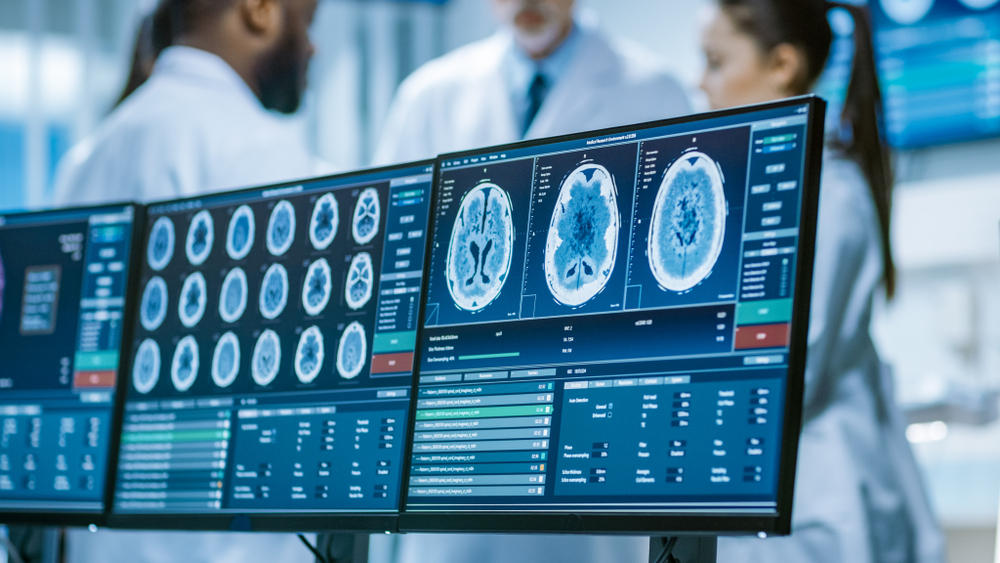
The EAF151 phase II study, sponsored by ECOG-ACRIN as part of the US National Clinical Trials Network, enrolled 146 patients across 33 centres and examined whether MRI-derived measurements of cerebral blood volume computed using IB Neuro could provide an early objective signal of response to bevacizumab, a drug widely used to treat the disease.
Results presented at the American Society of Clinical Oncology annual meeting on 31 May showed that IB Neuro's standardised relative cerebral blood volume output, a fully automated and operator-independent metric unique to the platform, demonstrated the strongest statistically significant association with overall survival, outperforming manually normalised methods.
The company said the findings position EAF151 as one of the first prospective, multicentre trials to validate an automated advanced imaging biomarker for overall survival prediction in recurrent glioblastoma.
The clinical and commercial case rests on a gap in current practice: bevacizumab is costly and does not benefit all patients, yet without an objective early-response signal clinicians can spend months determining whether a course of treatment is working.
Imaging Biometrics said IB Neuro could enable that determination within weeks, reducing unnecessary treatment, limiting costs, and allowing earlier transition to alternative therapies.
The group's commercialisation strategy targets both the 33 centres that participated in EAF151 and the broader universe of organisations running clinical trials with anti-angiogenic agents, including contract research organisations and trial sponsors, through direct sales and global distribution partners.
The board said the strategy is capital-efficient, designed to generate incremental revenue from existing infrastructure without requiring material external funding.
Michael Schmainda, chief executive of Imaging Biometrics' US operating subsidiary, said the results showed the technology could provide early, objective treatment-response signals within weeks, offering the potential to streamline trials and help clinicians identify more effective strategies sooner.
----ADDS SHARE PRICE MOVEMENT----


