
Neurotechnology has generated no shortage of attention in recent years, particularly as advances in brain-computer interfaces and neural sensors have moved from university laboratories into the commercial sector. The challenge has been finding applications that can be deployed at scale.
A new update from Control Bionics Ltd (ASX:CBL) offers a glimpse of how parts of the sector are starting to build commercial momentum by targeting practical applications rather than futuristic ones.
The company, which develops technology that converts electrical signals generated by muscles into digital inputs, reported progress across its assistive communication, rehabilitation and sports performance businesses in an update released on Thursday.
Importantly, much of that progress centres on market access and distribution rather than new technology development.
Building reimbursement pathways
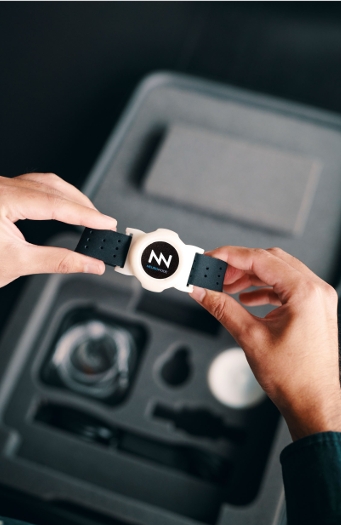
For healthcare technology companies, commercial success often hinges largely whether customers can access funding. Building reimbursement coverage for Control Bionics’ NeuroNode assistive communication device in the United States has been a key focus for the company.
It said US states representing almost 70% of the population have now funded NeuroNode through the dedicated E2513 HCPCS reimbursement pathway, with claims spread across Medicare, commercial insurers and Medicaid programs.
That reimbursement framework has helped support distribution agreements with major assistive communication providers Tobii Dynavox and PRC-Saltillo, both of which have now commenced funded sales.
Control Bionics has also secured HMV insurance coverage for NeuroNode in Germany, opening a funded pathway into one of Europe's largest healthcare markets.
The developments point to a business increasingly focused on scaling distribution rather than relying solely on direct sales.
Source: Control Bionics.
Neurotech expands into rehabilitation and sport
Beyond assistive communication, the company is also testing whether its underlying signal-capture technology can find broader applications.
Its NeuroStrip wearable platform is currently being evaluated by AFL and NRL organisations, the Australian Institute of Sport, Ohio University and a range of rehabilitation providers in Australia, the United States and overseas.
The common theme is the use of objective neuromuscular data to support rehabilitation, injury management and performance assessment.
That reflects a broader trend across healthcare and sports medicine, where wearable technologies are increasingly being used to supplement clinical judgement and provide more detailed information about recovery and physical performance.
Control Bionics highlighted several early examples in its update, including a collaboration with Japan's Stroke Lab, where clinicians used the technology to analyse gait dysfunction following a brain injury. The company said the program achieved a 39% reduction in muscle overactivity and eliminated falls during a monitored walking assessment.
A platform approach
The third part of Control Bionics’ strategy focuses on positioning its technology as a broader neural-interface platform. One of the more notable developments is the company’s planned integration of Apple's Brain-Computer Interface Human Interface Device protocol, which is targeted for commercial release in the third quarter of 2026.
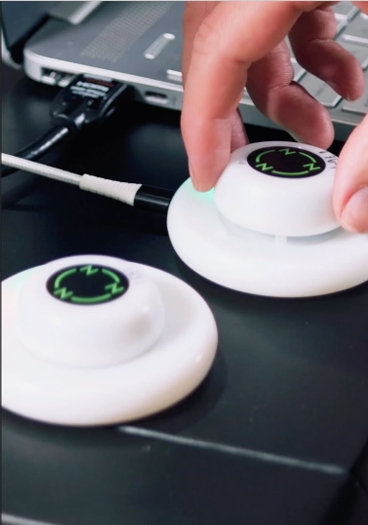
The initiative follows Apple's decision to support external neural-interface devices through its ecosystem, a move that has drawn renewed attention to the neurotechnology sector.
For Control Bionics, the focus is now on finding additional markets for technology that already has an established role in assistive communication. Its latest update suggests that opportunity may extend into rehabilitation, sports science, research and software integration, alongside the company’s core healthcare business.
As neurotechnology continues to attract attention from both medical and technology companies, the commercial landscape is also evolving. Reimbursement pathways, distribution networks and clinical partnerships are becoming increasingly important as companies look to move beyond product development and build sustainable businesses.