
Normally, being the boss of a privately owned company is an easier ride than the heavily scrutinised jobs of chief executives and chairs at listed companies.
John Lewis Partnership is a bit different – just ask Sharon White.
White took the reins in 2020, at a time when Covid was at its peak and stores were forced to close, job cuts ensued and ultimately the group ended up posting its first-ever full-year loss.
Switching from her role as chief executive officer at telecoms regulator Ofcom to the chair of one of the biggest UK retailers, White wanted to make her mark and after less than a year at the helm she ditched the group’s 100-year-old ‘Never knowingly undersold’ slogan and replaced it with 'For all life’s moments'.
Alongside this change, White launched a five-year transformation plan aimed at improving the group’s digital offering so that online sales accounted for 60-70% of total revenue, improving on the 40% it accounted for pre-pandemic.
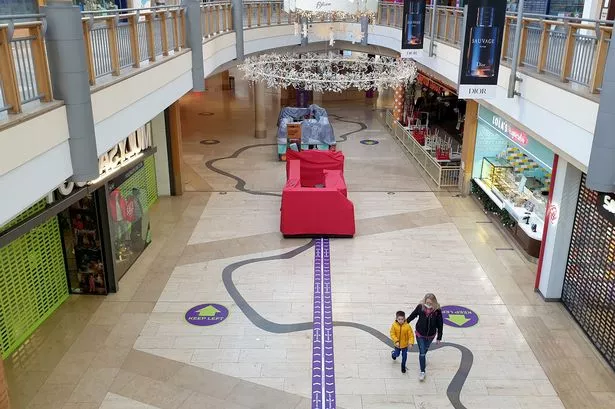
Empty shopping centres wreaked havoc on John Lewis. Source: The Mirror
Also aimed at improving online grocery orders, bettering food quality and offering value to customers, the turnaround plan had set its sights on profits of £400 million by 2025/26.
Last month and over three years into this plan, the group revealed it was extending this plan by an extra two years.
Posting a first-half loss of £56 million and claiming that inflationary pressures were resulting in higher costs and a need for further investment, it started to appear White’s strategy was up against it and with more losses expected for the full year, investors started to wonder what else could be done.
Steadying the Ship
White tried multiple techniques to ramp up investment, save money and bring the company back to a profit; however, not all went down so well.
One regular theme that accompanied White with her loss-filled annual reports was warnings about job cuts and bonuses.
When White took the job in 2020, the company, which includes supermarket Waitrose, had over 80,000 workers, making it one of the UK’s largest employers, with the added incentive of the Partnership scheme, which provided all staff with shares in the company as well as bonus plan.
John Lewis’ workforce shrank to under 75,000 under White’s tenure and despite these cuts coming at a time when spending had to be significantly reduced, sentiment surrounding management wasn’t positive, especially after the group’s annual bonus scheme was cancelled twice in three years.
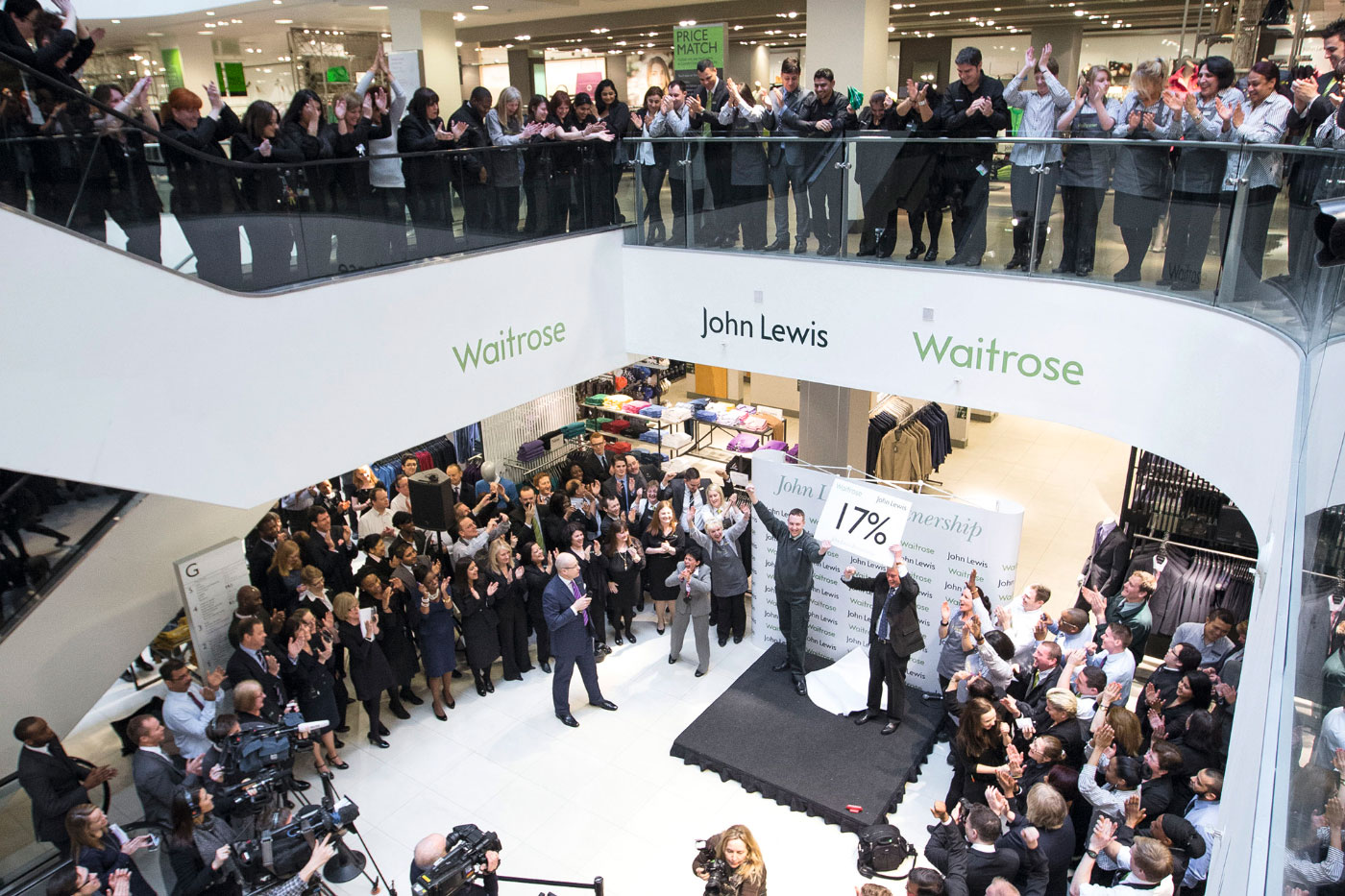
John Lewis' Partnership scheme has always been key to the company. Source: Company
Throw in the 56-year-old businesswoman’s plans to scrap the 100% employee ownership model in order to receive funding from outside investors and hopes of building a tower block of flats above Waitrose stores despite pushback from residents and the owners had enough.
Putting White forward for a non-binding de-facto vote over her leadership credentials, the retail boss received the majority of votes in favour of her remaining but not without criticism over the slogan change and consideration of outside investment.
It appears the continuing losses, which could be maintained in the group’s full-year results, the extension of the turnaround plan, the hundred other stresses and maybe even the scrapping of free Christmas dinner for temps had caused too much of a stir for White to continue.
What next?
Stepping down in 2025, rumours had previously circulated that White could be up for the BBC or even ITV role, whether these come to fruition remains to be seen.
A replacement at John Lewis hasn’t been confirmed yet but whoever does take the seat will have a heap of pressure on them.
Zoe Mills, lead retail analyst at GlobalData, said: “For whoever takes over the position in early 2025, they will face significant challenges – the most important being that they ensure that the two-year delay on its transformation plan slips no further.”