
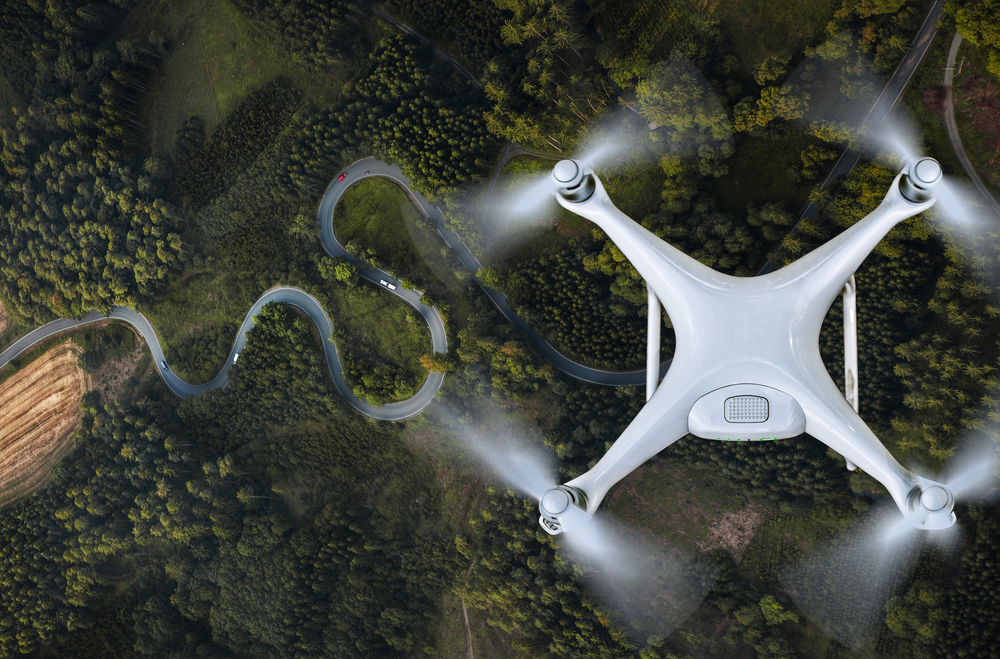
Gelion PLC (AIM:GELN, OTC:GELNF, FRA:X0S), the sulfur battery technology company, has completed a government-backed programme in which its cathode material passed independent drone mission testing carried out by QinetiQ Group PLC (LSE:QQ.).
The cells, built and evaluated by the UK defence, security and aerospace company, completed simulated drone flight profiles including repeated high-power take-off and landing events.
Gelion is developing Nano-Encapsulated Sulfur (NES), a cathode material that replaces the critical minerals used in conventional lithium-ion batteries with abundant sulfur.
The cathode is the electrode that stores and releases the charge in a battery, and it accounts for much of the cost and supply-chain risk in current lithium-ion cells.
Gelion says the material can be produced on existing manufacturing lines. The work was funded by the Advanced Propulsion Centre UK under its Advanced Route to Market Demonstrator 4 (ARMD4) programme, titled Advanced Li-S Battery for Mobile Applications.
Gelion said the programme was completed on time and within budget.
The tested cells ran for 200 cycles at a discharge rate representative of electric vehicle operation, and sustained higher rates equivalent to quadcopter cruise conditions.
Simulated drone duty cycles incorporated repeated pulses at the power levels associated with vertical take-off and landing.
Voltage profiles across 50 pseudo-drone cycles remained closely aligned, indicating limited degradation under repeated high-power demand.
Gelion said the testing showed no evidence of significant polysulfide shuttle effects, a long-standing failure mechanism in lithium-sulfur batteries in which dissolved sulfur compounds migrate between electrodes and erode capacity.
The company said that suggested the key technical obstacle to lithium-sulfur cells had been resolved.
Matt Wood, Gelion chief executive, described the completion of the programme as an important milestone and said it validated the performance of the company's cathode materials across the complex requirements of drones and other lightweight mobility applications.
He said Gelion would discuss next steps with QinetiQ while evaluating what he called potentially very large addressable defence and commercial markets.
Gary Mepsted, capability lead for power sources at QinetiQ, said the programme demonstrated the performance of the technology under representative drone mission profiles and highlighted its potential for demanding mobile applications.
Gelion said the results support continued engagement with partners in defence, aerospace and unmanned systems, where weight, energy density and supply-chain resilience are increasingly important.


