
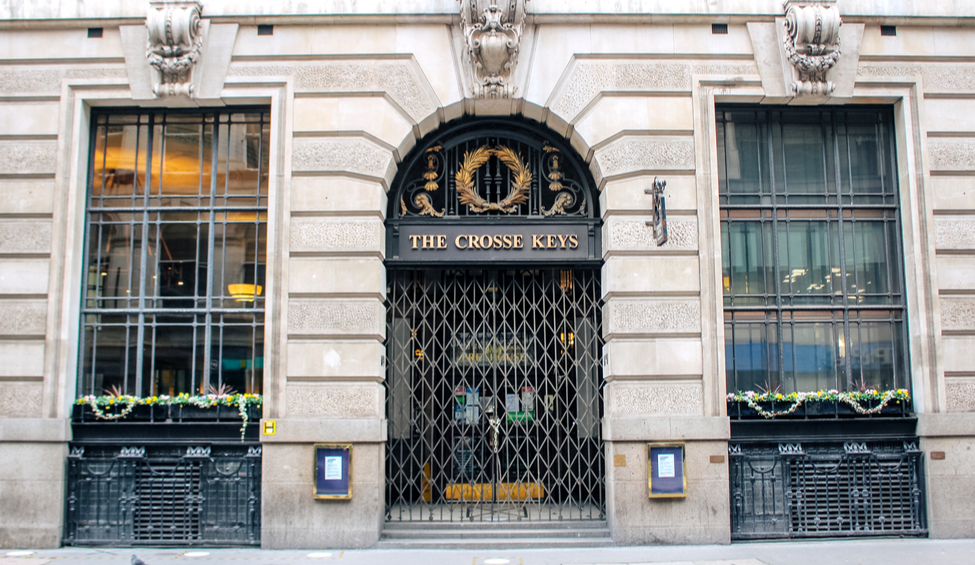
JD Wetherspoon PLC (LSE:JDW) shares tumbled almost 10% in early trading on Wednesday after the pub chain issued a more definitive warning that profits will come in below market expectations this year due to intensifying cost pressures, despite another quarter of steady top-line growth.
In a short statement covering the 12 weeks to 19 July, the FTSE 250 group reported like-for-like sales growth of 4.0%, taking year-to-date like-for-like growth to 4.2%.
This performance was ahead of the 3.4% growth reported at the third-quarter update in May, though the year-to-date figure eased slightly from 4.3%.
Chairman Tim Martin said: "Profits for the year are likely to be below market expectations, with marginally lower sales than anticipated in the final quarter, combined with higher costs in the areas of food, labour, repairs, energy and business rates."
This represented a hardening of the outlook from the cautious tone from May's profit warning, when Martin said a rise in costs "may result in profits slightly below market expectations".
Wetherspoon opened eight managed pubs and sold nine during the financial year, leaving it with 793 managed sites. It also expanded its franchised estate, opening 15 pubs to bring the total to 23.
The company repurchased 6.4 million shares at an average price of £6.52 during the year and bought the freehold reversions of four pubs for £12.2 million.
Year-end net debt is expected to be about £720 million, an improvement on the £740-760 million range previously forecast and broadly in line with last year's level. Preliminary results are due on 2 October.
The shares fell 9.8% to 680p in early trading.
Analyst Greg Johnson at Shore Capital suggests that the World Cup might have been a factor in the LFL sales increase in the third quarter being slightly below expectations.
"We would see this as a solid performance given sports events traditionally benefit Spoons less, noting Marston’s comments yesterday regarding softer off-peak periods," he wrote in a note to clients.
"Compared to peers, we continue to be surprised by management’s comments on costs, which suggest an inability to pass on cost inflation through its value-led pricing model, while elevated and volatile repairs could partly explain the shortfall and are difficult to forecast externally.
"Alternatively, does a highly publicised business beset by cost pressures suit a certain political narrative? Either way, it is a headache for investors."
** UPDATE: Adds share price and broker comments **


