
Tobacco stocks like British American Tobacco PLC (LSE:BATS) and Imperial Brands PLC (LSE:IMB) are constantly at the mercy of government rulings, often falling in value when news breaks of tighter regulation.
In 2018, the industry was the worst-performing sector out of all 39 areas covered in the FTSE All-Share, falling by 41% compared to the indexes’ average of 9%.
Plans to cut nicotine content in cigarettes, ban menthol and reduce the distribution of flavoured vapes have been talked about over the years by both the Food and Drug Administration in the US and lawmakers in the UK.
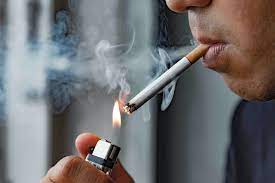
6.6 million Brits are smokers according to the ONS. Source TheConversation
So, most big players have decided to edge away from the cigarette market and head in a new direction, next-generation products (NGPs).
Glancing through BAT’s website there is no longer images or information about cig brands like Pall Mall and Camel, instead pictures of its “reduced risk” brands bombard the site.
Tadeu Marroco, chief executive officer at BAT, is heavily focused on the NGP transition, one of his first moves as boss was committing to the group’s ‘A Better Tomorrow Strategy’.
He said: “Our strategic aim is to progressively transform our portfolio by actively encouraging adult smokers to switch to less risky products, compared to smoking.”
However, the changes have brought forward one big question amongst non-smoking investors.
What on earth are NGPs?
Vapes
Probably the most popular of all NGPs, vapes were initially branded as e-cigarettes and were marketed as a way to stop smoking.
Originally shaped to look like cigarettes, the market shifted towards vape pens in the early 2010s before trends saw devices evolve into larger box-shaped devices called ‘Mods’.
Vaping became a popular choice because it doesn’t require combustion or a tobacco leaf and has fewer and lower levels of toxicants compared to cigarettes.
Yet, it was the introduction of disposable vapes that really helped the market grow by 883% in the year to May 2022, according to data from the Vape Club.

Elf Bars is one of the most popular disposable vape brands in the UK Source Shutterstock
Disposables are cheap, come in a range of flavours and don’t need to be recharged - probably the reason hundreds of Brits can be seen puffing on the colourful devices.
Local councils want them banned, however, claiming when 1.3mln of the “inherently unsustainable products” are thrown away every week it leads to littering and, in some cases, the lithium battery inside setting alight.
A scheme where one in five smokers was offered vape starter kits to help with stopping smoking cigarettes was launched in April by the government.
Although it does slightly goes against public health minister Neil O’Brien’s plan to crack down on some of Britain's most popular disposable vape manufacturers in a bid to reduce the number of teenagers vaping.
Heated Tobacco

A heated tobacco device Source Shutterstock
Bringing in £2mln a week in retail sales, on the surface heated tobacco (HT) devices appear similar to vapes - both the cylinder-shaped devices blow smoke and are ash free - but a key difference is that the former requires tobacco.
“Using controlled heating, these devices produce an aerosol from a reconstituted stick of tobacco leaf containing nicotine and flavours,” Imperial Brands said on its website.
Considered slightly more dangerous than vaping because of the use of a tobacco leaf, it still contains fewer and lower levels of toxicants compared to the average cigarette due to the fact it is not burned but heated instead.
Oral Nicotine
Oral Nicotine comes in small white pouches which when put under the upper lip gives users the desired rush.
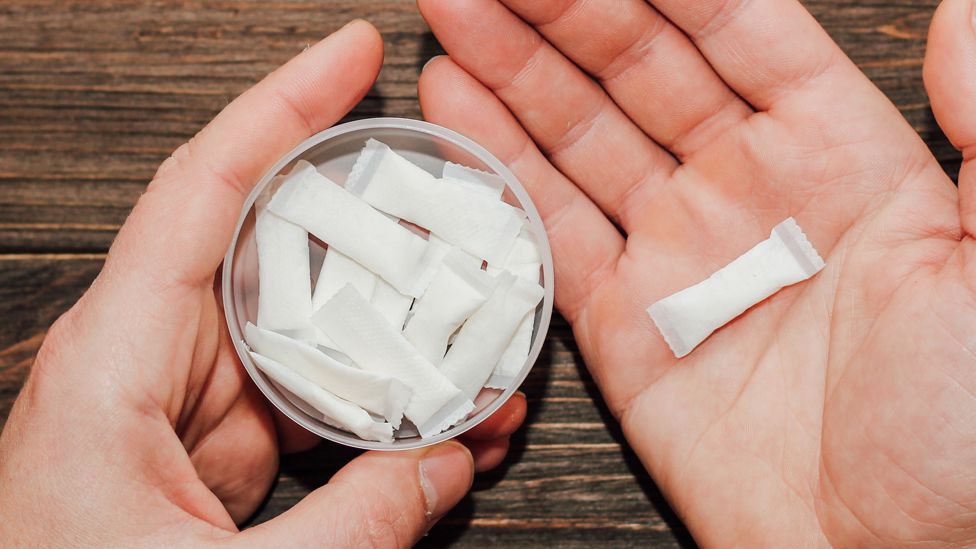
A packet of nicotine pouches Source BBC
It's often confused with the slightly more harmful Snus, a brown nicotine pouch originating from Sweden containing ground tobacco leaves.
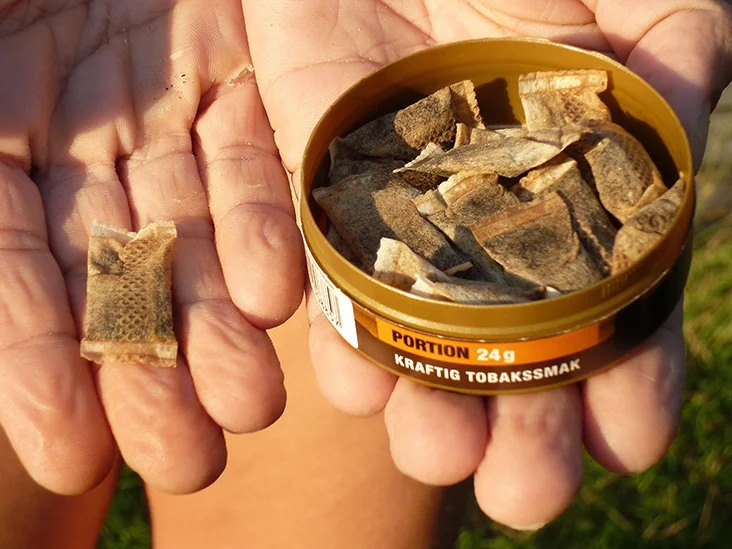
Snus Source Healthline
There are between 6mg and 15mg of nicotine found in a normal pouch, compared to cigarettes which can contain as much as 20mg.
The footballer's favourite, oral nicotine pouches have become popular with athletes because smoke or tobacco leaves aren’t involved rapidly reducing the risk of lung-related diseases.