
Electric vehicles (EVs) are fast becoming genuine alternatives to the petrol and diesel-powered cars we're used to as solid progress is being made on the battery technology front.
However, a significant drawback of EVs is their range, so much so that the term 'range anxiety' has become a part of the electric vehicle lexicon.
Range anxiety is that feeling of dread as the kilometres of driving range remaining in your car’s battery sinks low and a charger is either far away or not available at all.
This is where plug-in hybrid vehicles step in.
In this article:
- A bridge to EVs
- Mild and strong hybrids
- Plug-in hybrid sales picking up in Australia
- “Plug-in hybrids are what Australia needs right now”
- Saving the planet
A bridge to EVs
Major manufacturers, including Toyota, Suzuki and Honda, believe that plug-in hybrids are the bridge needed for users of internal combustion engine (ICE) cars to transition to EVs.
The way plug-in hybrids work is that they feature a reasonably large battery (though much smaller than in a pure EV) paired to an electric motor that allows the car to run solely on electric power for about 50 to 200 kilometres or more, depending on the model.
As their name suggests, these hybrids need to be plugged in to charge the batteries, but they can also use regenerative braking to regain some amount of charge.
Plug-in hybrids can also use their combustion engines without any electric assistance for longer drives or when the batteries are discharged.
Chasten and I bought our first plug-in hybrid electric vehicle five years ago, used. It cost us about $14,000.
We charged it through a regular wall plug in our garage in South Bend, and owning it meant we only needed gas for longer road trips, saving us money on fuel.
— Secretary Pete Buttigieg (@SecretaryPete) July 20, 2022
In short, plug-in hybrids offer a pure-electric range for shorter distances as well as the ability to travel long distances using the ICE powertrain.
Mild and strong hybrids
Plug-in hybrids are well suited for countries with vast stretches of road, including the US, Canada, Australia, China and India.
India wants car manufacturers to build more electric cars but the uptake for such vehicles so far has been slow, and only Tata Motors builds them locally.
Toyota Motor (NYSE:TM) Corp and Suzuki Motor Corp announced in June that they would begin production of hybrid vehicles in India, a category that Toyota has said is currently best suited to such markets.
The companies believe that hybrids make more sense in markets where the charging infrastructure is not ready for EVs.
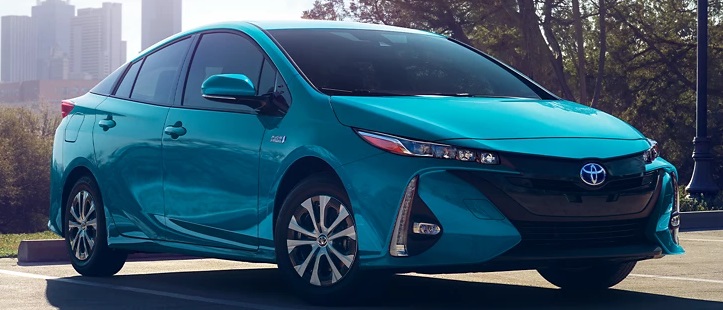
Toyota Prius Prime plug-in hybrid. Source: www.toyota.com.
Toyota’s plant in India will start building in August a hybrid SUV developed by Suzuki.
Two powertrains would be available - one with a mild hybrid configuration from Suzuki and the other as a strong hybrid from Toyota, the companies said in a joint statement.
In a mild hybrid, the battery only assists the combustion engine, without the all-electric mode available in a strong hybrid.
Plug-in hybrid sales picking up in Australia
In Australia, plug-in hybrid vehicles were often overlooked compared to conventional hybrids and EVs.
According to drive.com.au, sales of plug-ins in Australia rose 104% in the first half of 2022, over the same period last year – compared to 127% for electric vehicles (excluding Tesla, which didn't publish sales figures for that period last year) and 12% for conventional hybrids.
The 2,941 plug-in hybrids sold so far this year also trail the 9,680 full EVs and 41,056 conventional hybrids delivered.
However, plug-in hybrid sales are gaining momentum with a broad array of vehicles on sale in Australia, across 17 brands and 30 model lines.
Source: drive.com.au.
“Plug-in hybrids are what Australia needs right now”
Mitsubishi has been a pioneer in the Australian EV space since 2010 when it became the first brand to launch a mass-production EV in the form of the i-MiEV.
The company is set to launch the new-gen Outlander plug-in hybrid in the third quarter and brings with it a larger 20kWh battery that will enable up to 87 kilometres of all-electric driving range.
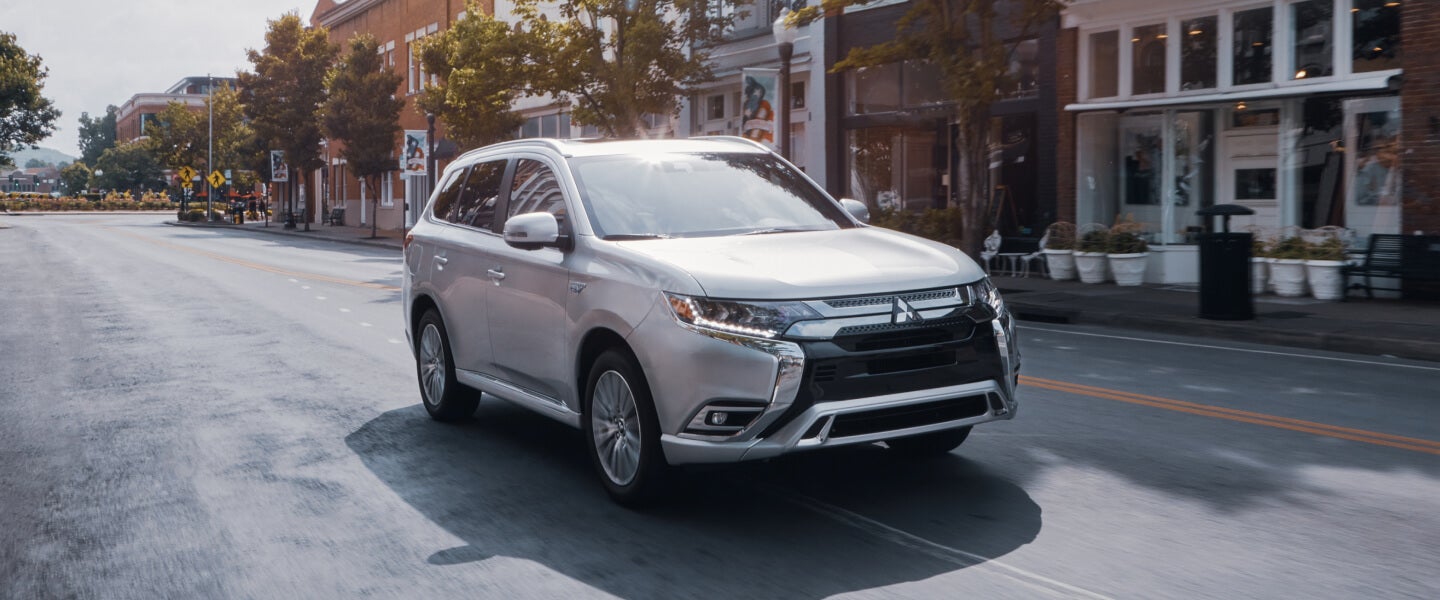
Mitsubishi Outlander plug-in hybrid. Source: mitsubishicars.com.
Speaking to carsguide.com.au, Mitsubishi Australia boss Shaun Westcott explains there are still some hurdles to overcome before he believes Australians will adopt electric cars en masse.
He said: “Plug-in hybrids are what Australia needs right now, and is a viable technology as the automotive industry pivots to an electric future.
“We could have a significant reduction [of CO2 emissions] right up without any range anxiety, without any concerns.”
Saving the planet
While plug-in hybrids won’t do quite as much as all-electric vehicles when it comes to saving the planet, as they pack a combustion engine under the hood along with their battery-powered electric motor, they’re still a better option than ICE vehicles.
According to carsguide.com.au, the National Transport Commission’s Carbon Dioxide Emissions Intensity for New Australian Light Vehicles 2020 report found that the average emissions intensity of ICE passenger cars and light SUVs was 149.5g/km, with that figure being 216.7 g/km for heavy SUVs and light commercial vehicles.
These numbers are lower for hybrids: a significantly lower 51g/km for plug-in hybrids and 103g/km for conventional hybrids.
As a result, if you are regular in keeping your vehicle charged, and you only drive a few kilometres per day on average, you could bring down your personal carbon footprint by opting for a plug-in hybrid.