
Copper Fox Metals Inc (TSX-V:CUU, OTCQX:CPFXF) has published the results of a high-resolution airborne magnetic and radiometric survey on its 100%-owned Sombrero Butte Copper Project, located in the historic Bunker Hill Mining District.
This survey has defined two clear potassium/thorium (K/Th) anomalies, one located in the centre of the property, and the other in the northwest corner of the property (Figure 1). These K/Th anomalies are indicative of potassic and phyllic alteration, which are typically spatially associated with porphyry systems. The pattern of the anomalies is also consistent with the potassic/phyllic alteration mapped in outcrop.
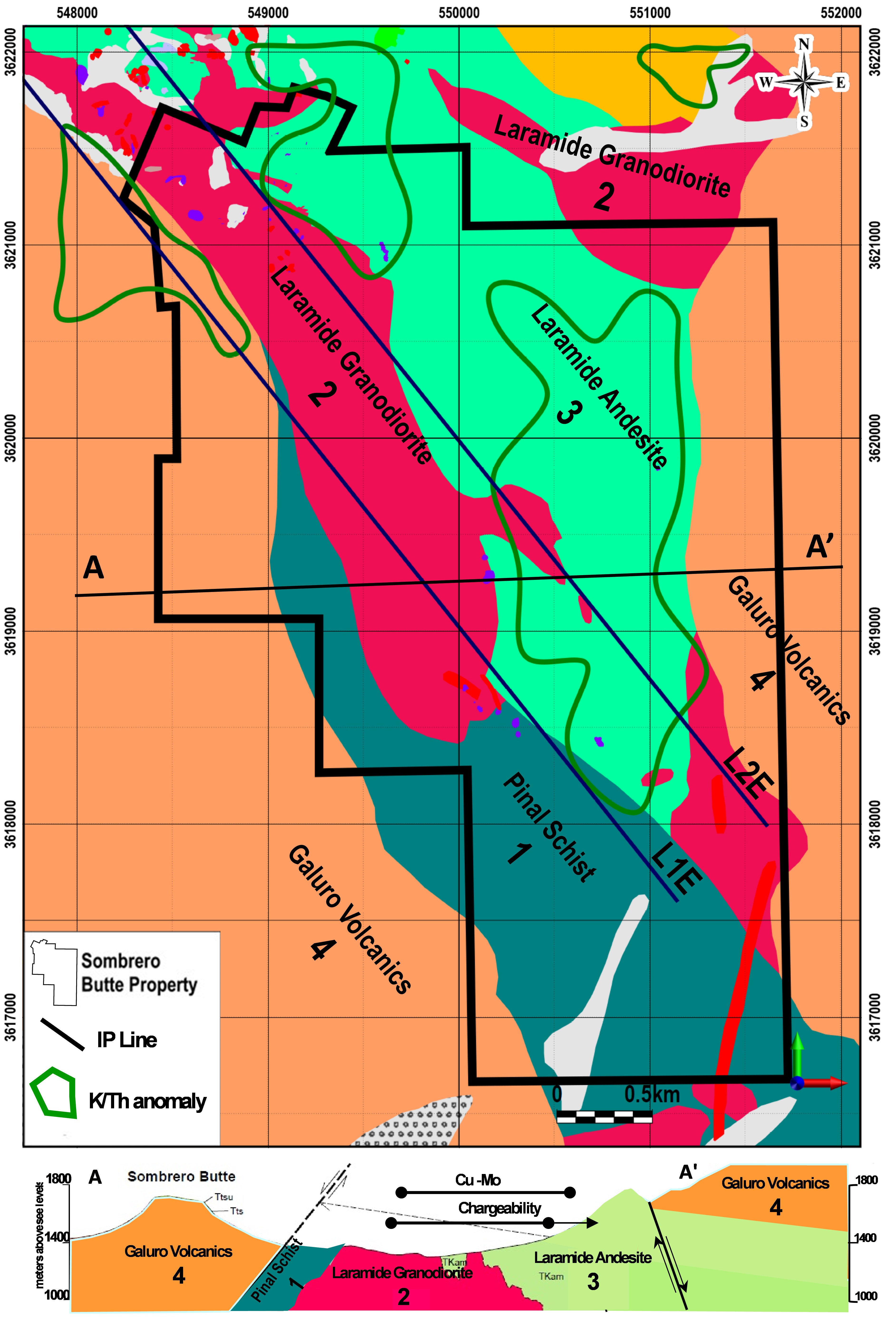
Figure 1:Potassium/Thorium Anomalies at the Sombrero Butte Project
Source: Copper Fox Metals
Further supporting the premise that the alteration system is related to a buried porphyry system is that the K/Th anomalies are spatially associated with a large, 3km by 1.5km, positive magnetic susceptibility body, that crosscuts multiple lithologies (rock types) (Figure 2), suggesting the presence of a large intrusive body located in the footwall of an interpreted west dipping normal fault system.
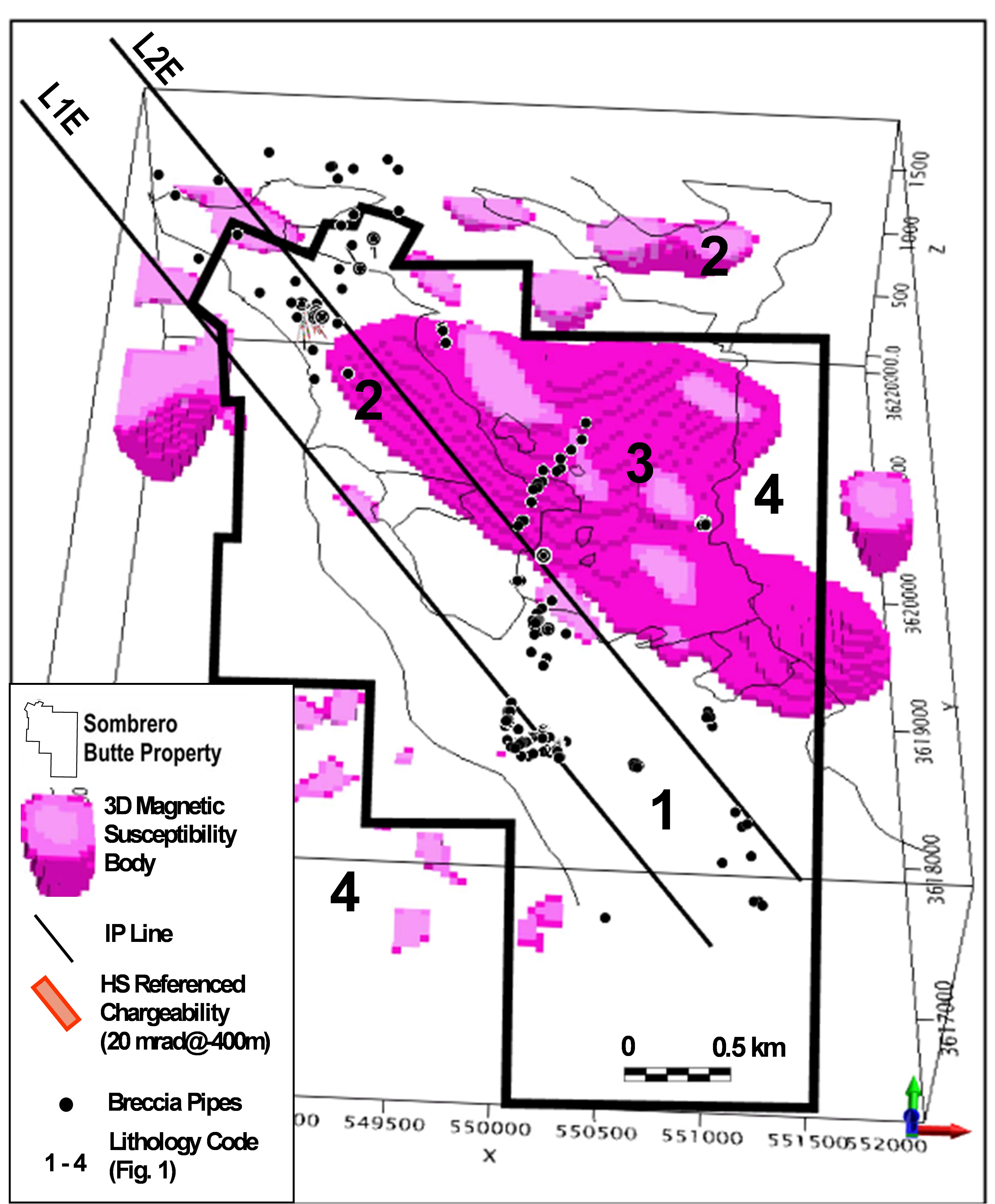
Figure 2: 3D Model of Magnetic Susceptibility Body at the Sombrero Butte Project
Source: Copper Fox Metals
The survey identified several interpreted west-dipping interpreted normal faults underlying the central and eastern portion of the property. The centrally located normal fault appears to be the main control on the location of the interpreted porphyry system.
The two K/Th anomalies are also coincident with northwest-trending zones of copper and molybdenum mineralization.
In the northern portion of the property, the previous sampling defined a 750-meter by 750-meter zone containing copper-molybdenum mineralization, associated with mineralized breccia pipes and quartz-copper-molybdenum veinlets in outcrop.
In the central portion of the property, the previous sampling defined copper mineralization over an area measuring approximately 2,200 meters by 500 meters wide, which contains a zone of molybdenum mineralization over an area of 1,400 meters by 500 meters. Breccia pipes are also present in this area.
The presence of breccia pipes (Figure 2) is another typical indicator of a buried porphyry system. These breccia pipes, were also historically mined for copper between 1903 and 1920. They trend to the northwest and exhibit a strong spatial association to the positive magnetic anomaly.
The weight of evidence suggests the presence of a buried porphyry system located to the east of the northwest-trending faults. Copper Fox will now commence a compilation exercise of all exploration data from the project the results of which will be used to determine the next steps to advance the project.