
You’ve heard it all before — electric vehicles and the batteries that charge them are all the rage nowadays.
Chances are, if green energy’s on your watchlist, so are key battery minerals like lithium, nickel, cobalt and manganese.
These critical metals keep your lithium-ion battery weighing less, lasting longer and performing better under ever-increasing demands.
But what about the mineral we don’t hear about?
Graphite is one of the main components in your li-ion batteries — so key, in fact, that it’s the primary ingredient in the all-important battery anode.
As critical as it is, we don’t hear much about graphite. Today, we’ll walk through all you need to know about this battery mineral.
In this article:
- What does graphite do?
- The market takes shape
- Where’s the supply?
- Stepping up to the plate
What does graphite do?
It’s listed as a critical mineral in the US, Japan, Australia and the EU, but what does graphite actually do?
This industrial mineral takes many forms: you can find graphite in everything from pencils to steel, bricks to car parts.
Graphite is lauded for its versatile properties: it can conduct heat and electricity, it’s flame retardant, corrosion-resistant and lighter than aluminium. It can provide extra strength and flexibility, and it’s pretty common in the ground.
But nowadays, demand for graphite is soaring in one key market: batteries.
That’s because graphite is the largest mineral component of the battery pack by volume. So if you’re wanting to supercharge the EV market, you’re gonna need a lot of graphite.
So just how are supply and demand shaping up over the next five years?
The market takes shape
The good news: demand for cleaner, green energy sources is growing. The bad: we’ll need enough graphite to support the surge.
Already, it looks like we’re falling behind. Resources consultancy Benchmark Mineral Intelligence (BMI) believes we’ll be short roughly 20,000 tonnes of graphite this year.
An industry source told Reuters in December the deficit represents enough graphite to produce around 250,000 EV batteries.
To put that in perspective, China alone is producing between 200,000 and 300,000 electric vehicles a month — the graphite that’s needed to supply this demand is epic.
And that’s only set to grow. In a conversation with the UK’s Mining Network, BMI analyst George Miller said we’re just at the start of the mineral’s meteoric rise.
“The volume of flake graphite that will be required to satisfy the appetite of the lithium-ion growth story is really monumental,” he explained.
“In 2020, we estimated flake graphite demand at around 850,000 tonnes. By 2025, this is set to grow to nearly 2 million tonnes, and by 2030, 4 million tonnes."
Wood Mackenzie is looking a little further in its graphite market outlook.
“We forecast battery sector demand for raw material graphite to rise by more than 1,400% between 2020 and 2050," the energy research and consultancy said in a 2021 paper.
"By the end of the forecast period, total graphite demand could be three times the 2021 supply level.”
Of course, growing demand affects pricing too. Already, graphite flake prices are 33% higher than they were a year ago.

Source: Benchmark Mineral Intelligence.
Where’s the supply?
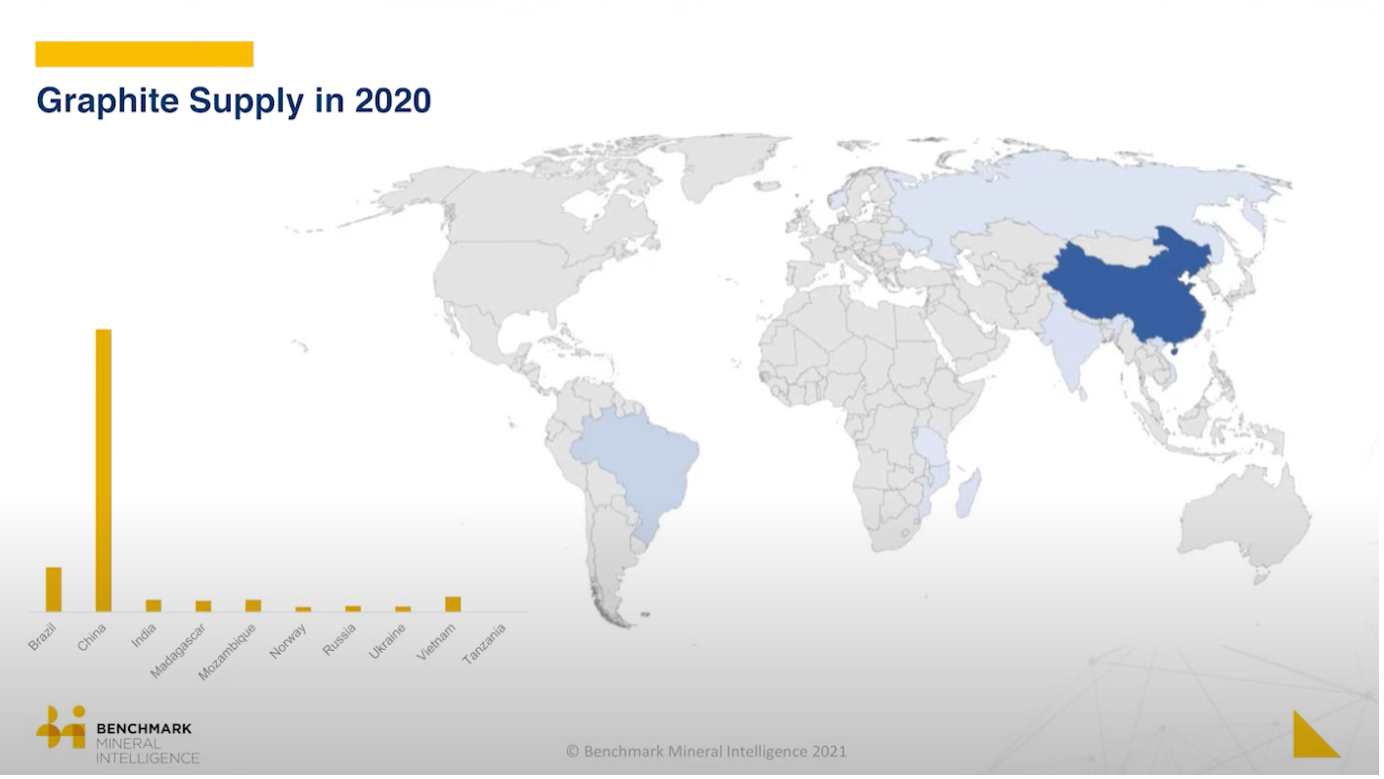
When it comes to graphite, China has a stronghold: the manufacturing powerhouse generates pretty much all of the world’s battery graphite and the vast, vast majority of flake graphite resources.
“The rate at which we’re seeing demand begin to increase may outpace the type of graphite we like to use in anodes,” Miller stated.
Recognising the growing demand, graphite players outside of China are answering the call. And by 2025, BMI forecasts the supply market could look a little less ubiquitous.

Source: Benchmark Mineral Intelligence.
So, who are the Aussie players joining the chorus?
Stepping up to the plate
Walkabout Resources
You might have noticed a lot of our graphite in 2025 is forecast to come from Tanzania: that’s where one ASX-lister is making a name for itself.
Walkabout Resources Ltd (ASX:WKT) is the proud developer of the Lindsay Jumbo project, a large flake graphite mine shifting the focus from China’s dominant supply.
For Walkabout, graphite is all about the grade, and it’s determined to lower costs and fatten margins by turning out the highest grade product it can.
Current studies indicate Lindsay Jumbo can deliver around 18% total graphitic carbon (TGC) over a 24-year mine life, and there’s room to grow.
Walkabout CEO Andrew Cunningham stresses the importance of getting graphite assets off the ground.
“There is such a shortage of graphite now: not enough investment is going into graphite and getting graphite projects up and running,” he explained.
“There's a lot of talk going on about lithium and whatnot — there's no shortage of lithium, there's certainly no shortage of graphite in the ground, but you need to put to invest into the raw materials first.”
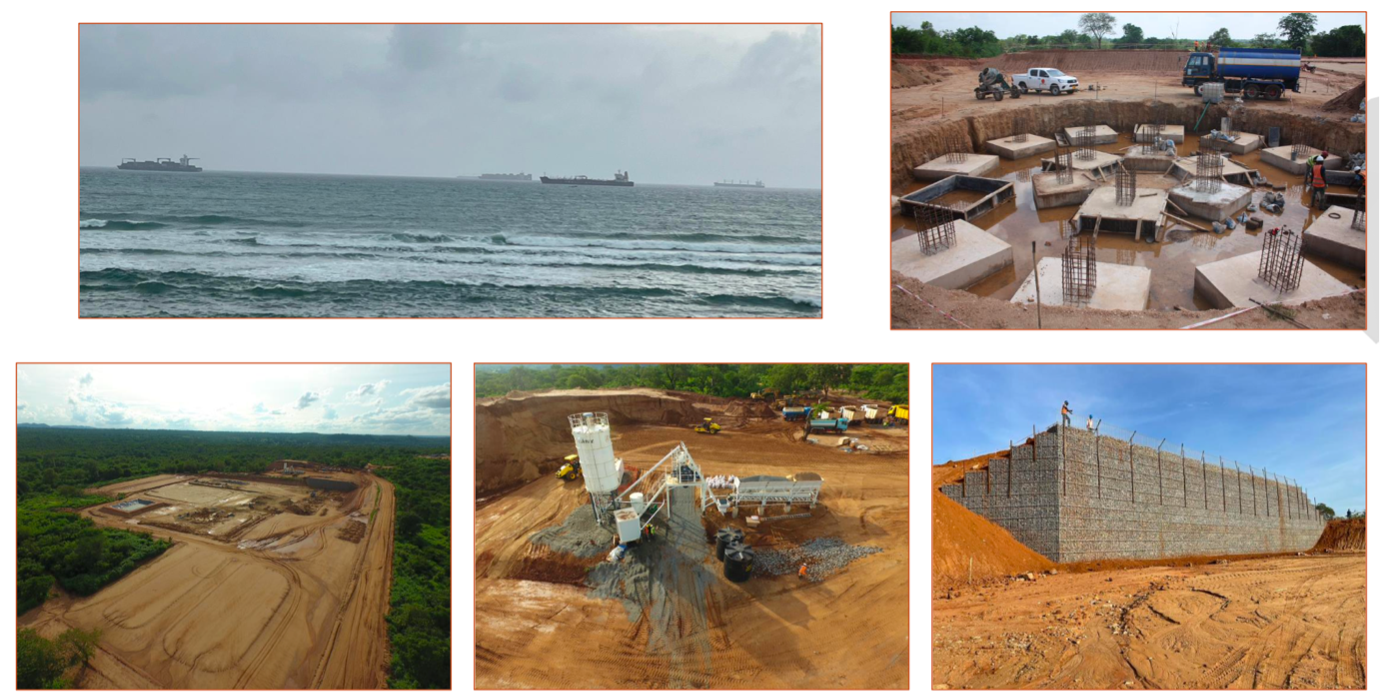
It won’t be long before you hear more from Lindsay Jumbo: the project is fully permitted, in construction and on track for first production in the second half of 2022.
Source: Walkabout Resources.
Evolution Energy Minerals
Also pursuing graphite opportunities in Tanzania is Evolution Energy Minerals Ltd (ASX:EV1).
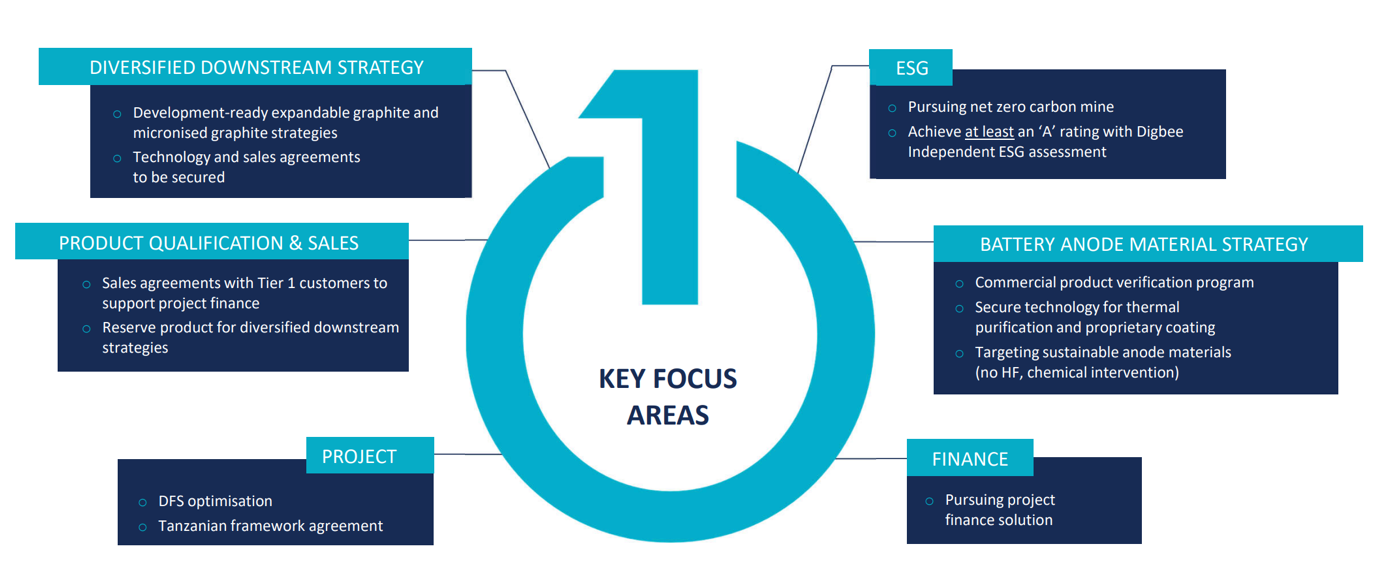
The resources stock is on a mission to become the world’s first net-zero carbon mine, and it's focused on providing this critical mineral sustainably.
That’s because synthetic graphite, which accounts for roughly 58% of demand in the battery graphite market, comes with a considerable environmental footprint.
Consequently, pundits expect a shift in sentiment towards natural graphite sources as we approach 2030.
At the heart of Evolution’s vision is the development-ready Chilalo project. The company is targeting a final investment decision in the year’s second half and has already completed some key studies.
A 2020 definitive feasibility study, for example, estimated Chilalo graphite would average a 10.1% total graphitic carbon head grade over an 18-year mine life.
Source: Evolution Energy Minerals.
International Graphite
There’s another company determined to turn the page on graphite’s China-centric story.
International Graphite Ltd (ASX:IG6) may be new to the ASX, but it’s been around since 2018, and it’s eager to put Australia on the critical mineral map.
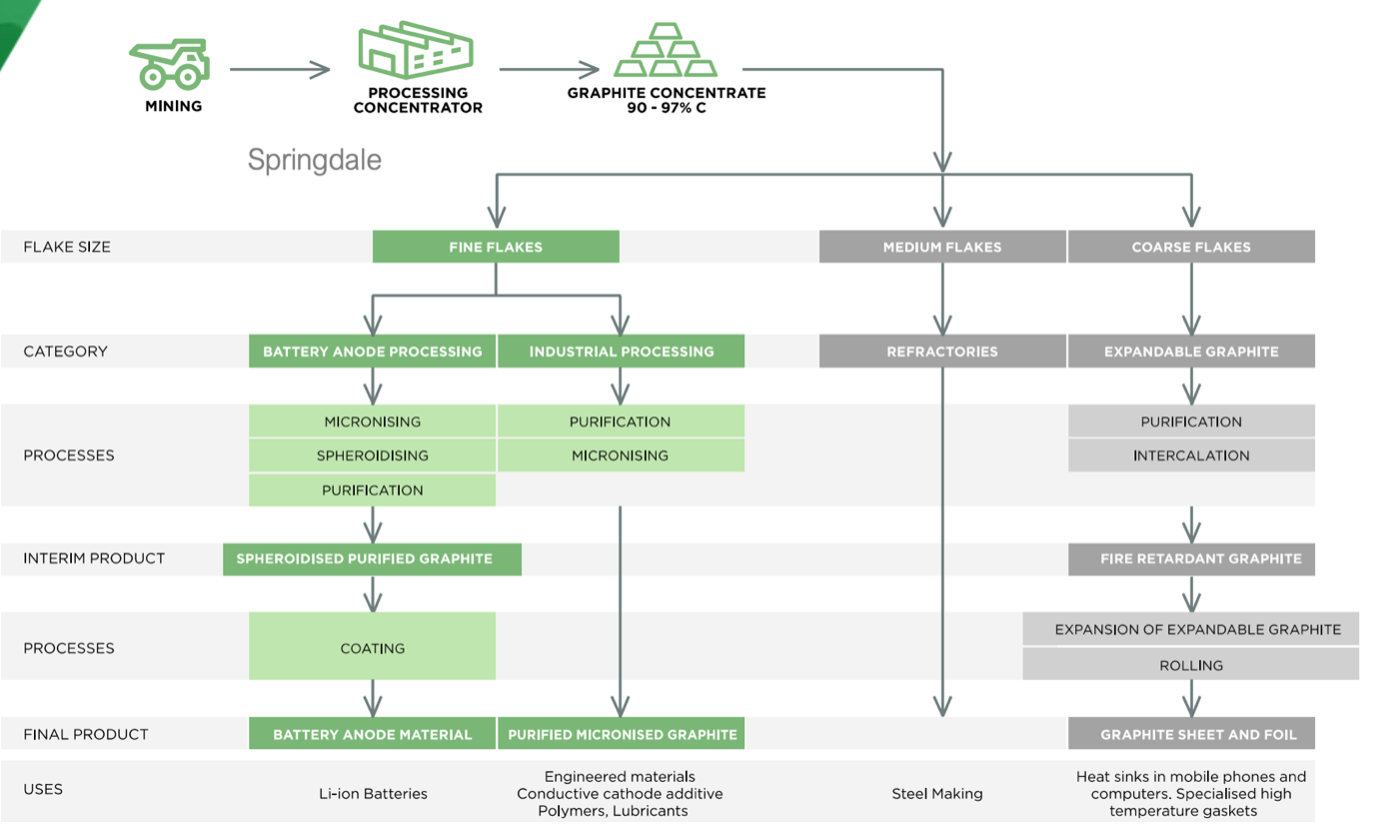
IG6’s vision revolves around a fully integrated, mine-to-market graphite operation in southern WA, including a graphite project near Hopetoun and a processing hub in Collie.
“Globally, graphite supply is coming under huge pressure as decarbonisation revolutionises the transport and energy markets, creating unprecedented demand for battery storage, particularly lithium-ion batteries for electric vehicles,” executive chair Phil Hearse said of the market.
There’s a ways to go to make this graphite hub a reality: IG6 aims to bring the integrated operation online in 2024.
In the meantime, drilling, feasibility studies and battery materials piloting work is underway.
Source: International Graphite.
BlackEarth Minerals
Over in Madagascar, BlackEarth Minerals NL (ASX:BEM) is on a mission to become a vertically integrated global graphite business.
The company’s Maniry project is set to produce a wide range of graphite products to service several global markets, including the burgeoning battery space.
Maniry’s spherical graphite has already been tested for its lithium-ion suitability, and it’s been found to meet anode material manufacturer’s specifications.
In the coming months, BlackEarth expects to complete a definitive feasibility study for Maniry and kick off front-end engineering and design (FEED) activities.
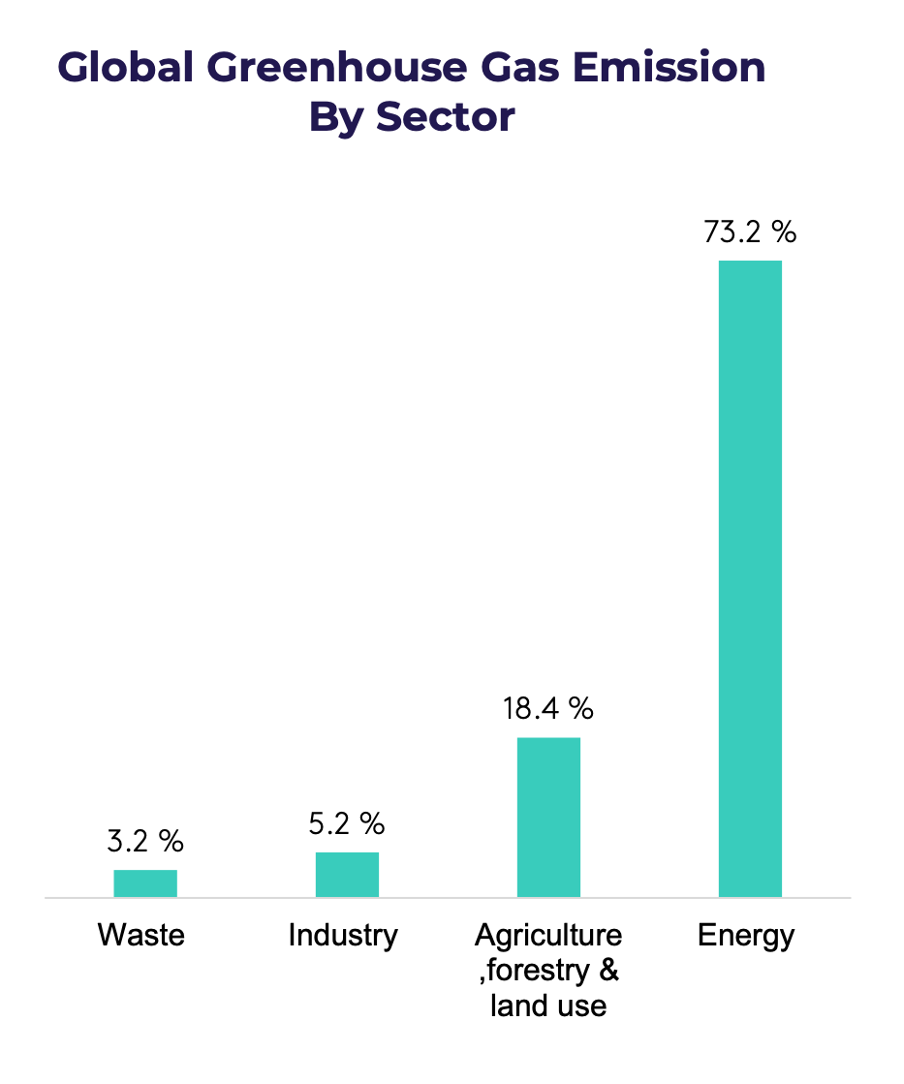
At the end of the day, the company’s natural graphite asset is designed to complement the global decarbonisation movement and encourage the switch to renewable energy where it’s needed most.
Source: BlackEarth Minerals.