
Lotus Resources Ltd (ASX:LOT) has bolstered its mineralised footprint at the Kayelekera uranium deposit in Malawi, Africa, following a 35-hole drilling program.
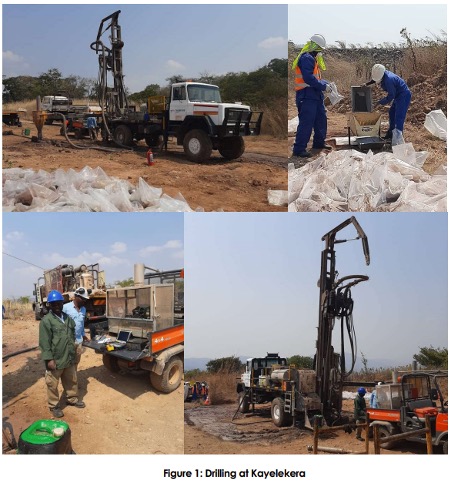
The reverse circulation campaign covered slightly more than 4,500 metres and recorded some promising uranium hits, including:
- 2 metres at 2,541 parts per million (ppm) triuranium octoxide from 9 metres;
- 3 metres at 829 ppm from 13 metres;
- 3 metres at 919 ppm from 53 metres; and
- 4 metres at 539 ppm from 46 metres.
Ultimately, Lotus’ drilling activity expanded mineralisation by up to 100 metres from the existing resource drilling at Kayelekera.
What’s ahead?
A mineral resource estimate (MRE) update is now planned for the Kayelekera Project and is anticipated for release in the first quarter of 2022.
This updated MRE will be used as the basis for a new mine plan in the definitive feasibility study (DFS), which remains on track for mid-2022.
In the meantime, assay results from the Milenje rare earth and regional (Livingstonia) exploration programs are expected later this quarter.
Strengthening uranium market
Speaking to the progress to date, Lotus managing director Keith Bowes said: “2022 is shaping up to be an important year for Lotus as we continue to advance the Kayelekera Uranium Mine to be one of the first uranium assets globally to recommence production as uranium prices continue to strengthen in the green energy build-up.
“The results from our first uranium exploration program were very encouraging as we were able to confirm that shallow mineralisation does extend outside of the existing pit shells.
“This will likely have a positive impact on the existing mineral resource, which we plan to update later this quarter.
“Most importantly, any increased tonnes have the potential to extend the life-of-mine production in the DFS, which remains on track to be released in mid-2022.
“In addition to this brownfield drilling, exploration results from the Milenje Hill rare earth prospect and the Livingstonia uranium deposit are expected shortly.
“Drilling has also recommenced at the previously untested Chilumba prospect to the north of Livingstonia.”