Venture Minerals Limited (ASX:VMS, OTC:VTMLF) has initiated an underground feasibility study at its Mount Lindsay Tin-Tungsten Project in Tasmania intended to further develop the tin and tungsten resource.
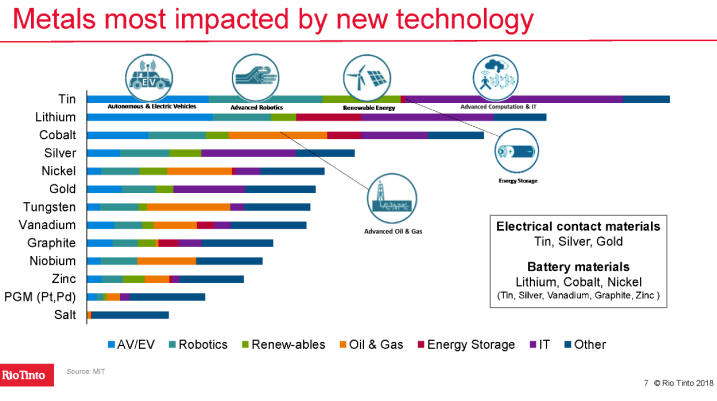
Tin is an electric vehicle metal listed as a critical mineral by multiple countries around the world, currently trading at record highs of US $37,500 per tonne, four times the price of copper at US$9,500 per tonne. Tungsten’s APT price is at US$310 per metric tonne unit, an increase of about 80% since early 2016.
Mount Lindsay is already one of the largest undeveloped tin projects in the world, containing in excess of 80,000 tonnes of tin metal. A globally significant tungsten resource containing 3.2 million metric tonne units of tungsten is hosted within the same mineralisation body.
“Globally significant project”
“The board looks forward to further advancing the company’s flagship asset in a pro-EV metal/critical minerals development environment, supported by global markets searching for ESG compliant strategic resources such as Mount Lindsay,” Venture Minerals managing director Andrew Radonjic said.
“Quality tin deposits are rare, and Venture is fortunate to have already defined a globally significant project, giving the company a substantial resource base to underpin any future development.
“Mount Lindsay has excellent potential for resource growth through exploration, with the current deposits part of a major tin field that already hosts the world-class, high-grade, Renison Tin Mine.”
Approximately 83,000 metres of diamond core drilling has been completed on the project by Venture, which hosts a JORC-compliant resource, 70% of which is in the measured and indicated categories.
A previous feasibility study, which was completed with comprehensive metallurgical test-work and post-feasibility, delivered a very high grade 75% tin concentrate result that is likely to attract price premiums, according to SHH.
Underground study
The underground feasibility study will advance previous scoping study work, utilising additional drilling – that is in progress – to further confirm the continuity of the high-grade MacDonald Shoot in the Main Skarn and the high-grade Radford Shoot in the No.2 Skarn.
Current drilling will also provide material for finalising a cost-effective, gravity-focused, processing flowsheet.
Highlights from high-grade shoots at Mount Lindsay include:
MacDonald Shoot (Main Skarn)
- 16 metres at 1.6% tin from 27 metres;
- 8 metres at 1.4% tungsten oxide from 104 metres;
- 12 metres at 1.8% tin from 194 metres including 2 metres at 4.8% tin from 200 metres;
- 18 metres at 2.2% tin from 160 metres including 2 metres at 14% tin from 172 metres, and;
- 26 metres at 2.7% tin from 202 metres including 2 metres at 17% tin from 210 metres.
Radford Shoot (No.2 Skarn)
- 16 metres at 1.1% tin from 353 metres;
- 12 metres at 1.7% tungsten oxide from 105 metres;
- 8 metres at 1.1% tungsten oxide from 116 metres, and;
- 8 metres at 1.2% tungsten oxide from 244 metres.
'Critical Metals Project'
The Australian Federal Government has already classified the Mount Lindsay Project as a 'Critical Metals Project' with an advanced tin-tungsten asset further enhanced by the recent discovery of two new skarn zones, one within the Renison Mine Sequence in the Mount Lindsay area and the other along strike from Mount Lindsay’s main tin deposits.
Tin is now recognised as a fundamental metal to the battery revolution and new technology. The International Tin Association is predicting a surge in demand driven by the lithium-ion battery market, of up to 60,000 tonnes per annum by 2030. World tin consumption was 328,400 tonnes in 2020.