
Calima Energy Ltd (ASX:CE1) has tabled its 2021 oil and gas reserve estimates for its wholly-owned Canadian subsidiary, Blackspur Oil Corp.
The energy stock contracted InSite Petroleum Consultants Ltd to manage the evaluation, which covered Blackspur’s producing oil and natural gas assets across two core portfolios — the Brooks and Thorsby tenements — in Alberta, Canada.
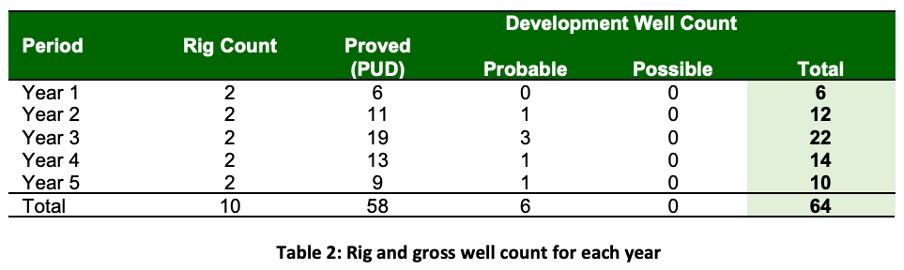
Blackspur’s development plan tees up 64 gross wells for drilling over the next five years, with six of those assets scheduled for drilling over 2021’s second half.
Calima took control of Blackspur’s assets in February this year under a C$17 million merger that transformed the ASX-lister into a high-margin oil and gas producer.
Reserves
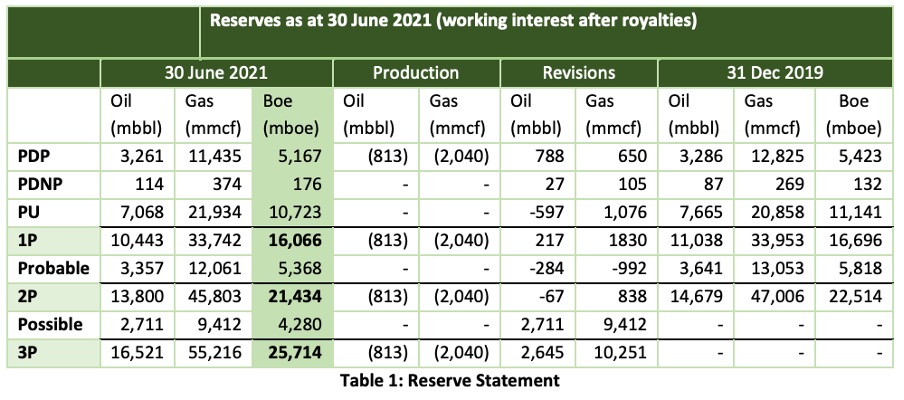
As at June 30, 2021, Blackspur’s reserves stood at:
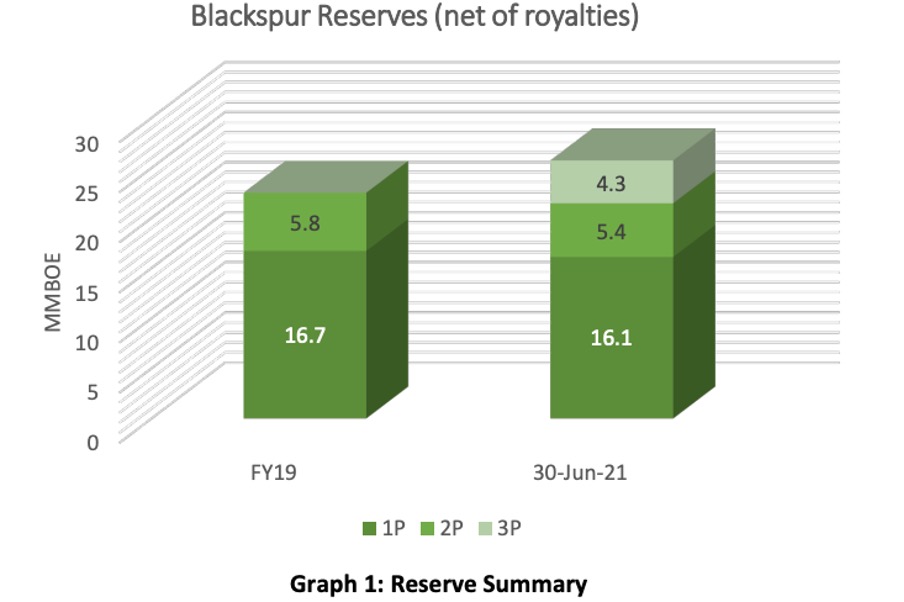
- Proved, probable and possible (3P) reserves 25.7 million barrels of oil equivalent (boe);
- Proved and probable (2P) reserves 21.4 million boe;
- Proved (1P) reserves 16.1 million boe; and
- Proved developing producing (PDP) reserves 5.2 million boe.
Overall, Calima maintains its subsidiary’s focused asset base helped keep reserves steady for the 2021 evaluation.
Blackspur has produced 1.2 million boe since December 31, 2019, while just two wells were drilled before the Calima acquisition.
Development plan
Ultimately, Blackspur’s year-end reserve development schedule prepares the company to advance over a modest portion of the subsidiary’s total acreage position in Alberta.
In fact, the development plan represents just 23% of Blackspur’s well inventory and allows for proved and probable well locations to be executed and drilled within the five-year period.
As at June 30, 2021, Blackspur held the rights to 115,720 net acres within the Brooks and Thorsby areas.
The company operates 63.4 net wells, developing approximately 7,500 net acres of this position.
Currently, around 94% of the undeveloped Brooks and Thorsby acreage does not have reserves booked, representing tremendous upside.
On a net well count for the proved reserve category, Blackspur has an approximate 93% interest in the proved undeveloped wells in the 2021 development plan.
Brooks
Within the Brooks portfolio, Calima has an established core holding, comprising 83 net sections or 53,093 net acres, and significant infrastructure that creates a foundation for growth and expansion.
The Brooks asset averaged net daily production of 2,033 barrels of oil equivalent per day in June 2021.
Together, Blackspur and Calima have drilled more than 50 wells to date, with production originating from the Sunburst and Glauconitic formations.
Blackspur’s existing Brooks infrastructure can process up to 7,000 barrels of oil per day, providing significant upside with limited infrastructure spend.
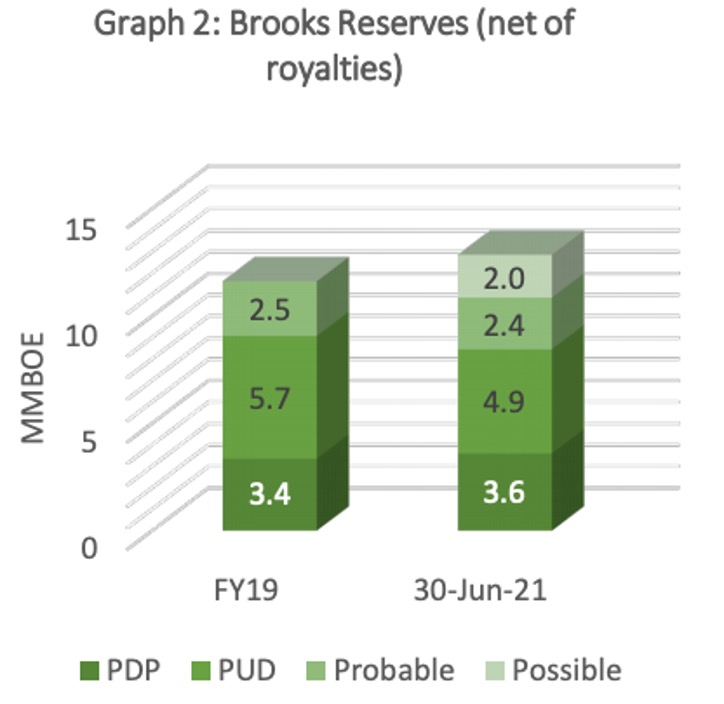
Looking ahead, future growth from the Brooks asset will come from the 140 net locations that have already been identified.
These locations include around 35 booked (or 30.5 net) proven undeveloped resources.
So far, only 22% of the identified locations have been booked for the purposes of InSite’s reserve report.
Although the current program is solely focused on the Sunburst Formation drilling, at current oil prices, the company hopes to begin adding Glauconitic Formation horizontal locations to its upcoming drilling plans.
These Glauconitic wells have the potential to greatly impact corporate production levels and reserve bookings.
Additional reserves are also expected to be realised as enhanced oil recovery projects are implemented.
Thorsby
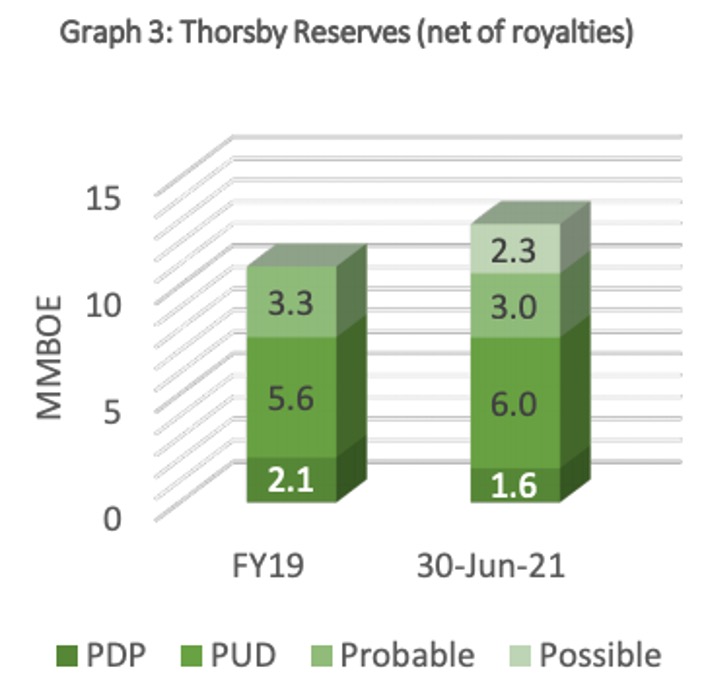
Meanwhile, at the Thorsby asset, Blackspur’s consolidated land base — comprised of roughly 108 net sections and 69,620 net acres — will be developed through a network of multi-well pads, all of which have year-round access.
There are around 89 net locations internally identified on the company’s tenements, with only 30% booked.
Thorsby’s average production totalled roughly 850 barrels of oil equivalent per day in June 2021, fuelled only by the asset’s Sparky Formation.
Blackspur’s facilities boast an oil processing capacity of 3,000 barrels of oil per day.
In terms of current activities, the company has commenced a three-well Thorsby drilling campaign, with work now underway on the Leo #2 well.
Specifically, all three assets are classified as development wells because they are being drilled into the existing Sparky Formation oil pool.
Looking ahead, production from the Leo drilling program is planned to come on stream in the fourth quarter of 2021.