
Lotus Resources Ltd (ASX:LOT) has adopted global environmental, social and governance (ESG) reporting principles as it develops the Kayelekera Uranium Project in Malawi.
The uranium explorer and developer has committed to work in line with the United Nations’ 17 Sustainable Development Goals and identified some of the most pressing ESG issues surrounding its East African uranium asset.
As it considers its next steps, the ASX-lister has drawn up a list of early initiatives it will weigh up in a bid to better align with global ESG standards.
Lotus is currently preparing its first sustainability report for the Kayelekera project, which is slated for completion later this year.
Improving ESG performance
Lotus Resources managing director Keith Bowes said: “As we continue to advance our Kayelekera Uranium Project in Malawi towards recommencement of operation, the company is acutely aware of our ongoing responsibility to ensure we meet expectations regarding ESG performance.
“To ensure we continue to meet and improve on this objective, we are developing a framework to meet global leading-practice in sustainability reporting.
“By taking these steps, we aim to demonstrate transparency and minimise risk to our business and those impacted by our operations.”
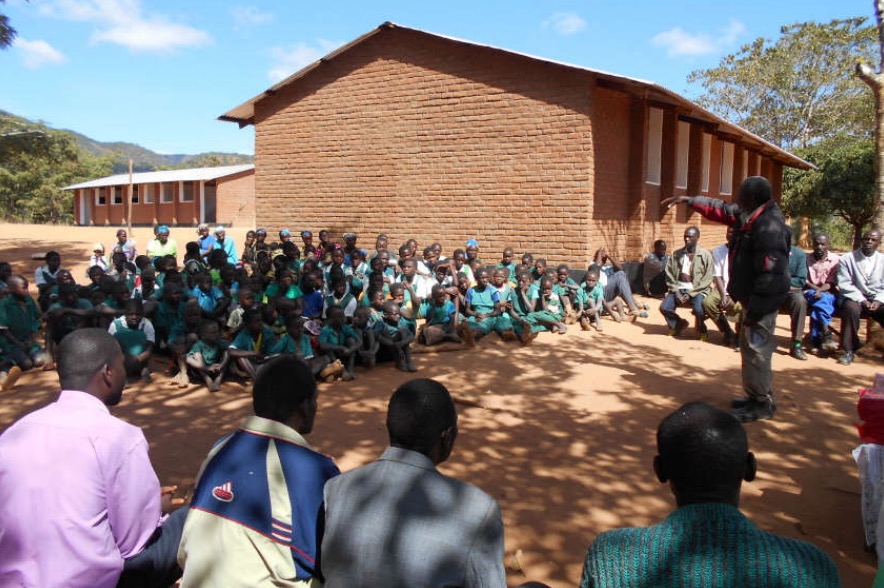
School upgrades were previously undertaken by Lotus (Africa) Limited.
Sustainable Development Goals
Ultimately, Lotus’ target is to become a leader in ESG performance in the East African region as it continues to advance its Kayelekera project.
As a result, the company has committed to develop its Kayelekera Project to support the UN Sustainable Development Goals, using them as a mechanism by which to define its performance and measure its progress.
Put in place by the UN General Assembly in 2015, with a target date of 2030, the goals were designed as a global framework, aimed at eradicating poverty and inequality and tackling climate change, especially in developing countries like Malawi, where Lotus’ flagship operation is located.
Materiality matrix
As it prepares to bring its operations in line with the ESG standards, Lotus has engaged with a range of stakeholders to define some of the high-priority ESG issues.
Based on this, Lotus has produced a materiality matrix to prioritise the most pressing ESG issues to be addressed as operations at Kayelekera progress from the current care and maintenance phase into development, production and closure and rehabilitation.
Some of the more significant ESG issues identified include:
- Health and safety;
- Community engagement;
- Waste and hazardous materials;
- Water and ecology;
- Legal and regulatory;
- Rehabilitation and mine closure;
- Business ethics;
- Security; and
- Economic performance and financial management.
Some of the possible early initiatives that will impact future operations in Lotus’ Kayelekera redevelopment strategy include:
- Transitioning from diesel-based power to more sustainable grid-based power and renewable energy sources such as solar;
- Improved water recovery, reduced freshwater intake and reduced discharge to the environment by considering processes such as enhanced evaporation;
- A community development agreement to provide support to projects defined by the local communities around Kayelekera when operations recommence; and
- Supporting local communities with financial and other support.
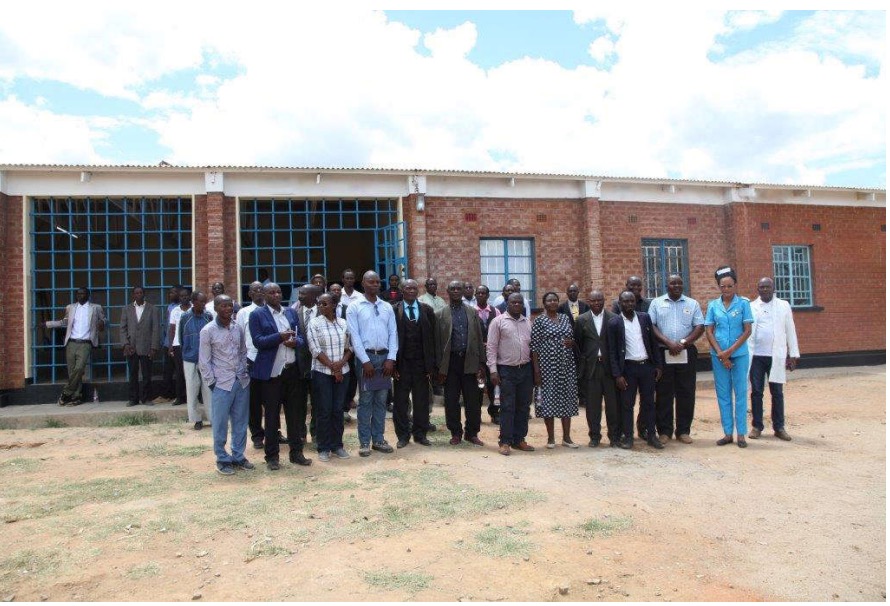
Clinic upgrades were previously undertaken by Lotus (Africa) Limited.
GRI standards
In the future, Lotus aims to use the Global Reporting Initiative (GRI) standards as a guide to measure its ESG progress.
Regarded as the gold standard for ESG reporting globally and used by 66% of ASX100 companies, the GRI framework will become a key metric to measure Lotus’ performance.
As the company’s operations in Malawi move from care and maintenance into development and production, Lotus aspires to begin reporting in line with the GRI Standards and, ultimately, sector-specific standards covering the mining sector.
It’s hoped that adopting the GRI reporting mechanism will enable more specific disclosure and assessing progress on a range of material economic, environmental and social issues.
Economic benefits
Lotus believes the Kayelekera uranium mining development project has the potential to make a positive, value and long-lasting contribution to the local and national economy in Malawi.
By taking a responsible and transparent approach to reporting impacts and progress, Lotus aims to become a long-term investor in the sector and to realise the benefits that can be gained from supplying uranium as a low carbon fuel to aid the transition to a decarbonised energy future.