
PolarX Ltd (ASX:PXX) has uncovered large silver-gold anomalies during a soil sampling program over its Fourth of July claims within the Nevada-based Humboldt Range Gold-Silver Project.
The minerals explorer and developer today unveiled the assays from its latest geochemical campaign, which defined several large, high-grade silver and gold anomalies across Fourth of July.
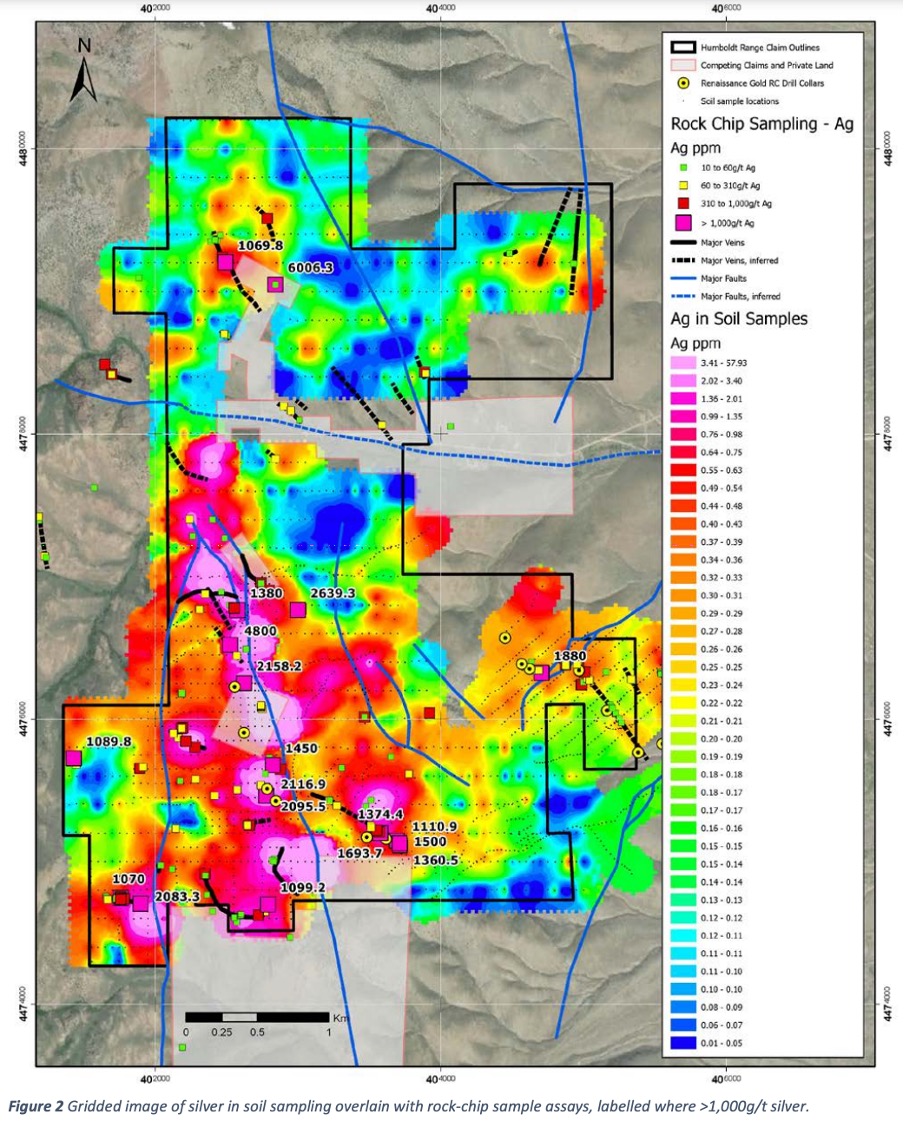
Notably, the largest silver anomaly is thought to be more than 3.5 kilometres long and 2 kilometres wide and hosts as much as 186 g/t silver.
PolarX collected rock chips from the anomaly’s major mineralised veins, with silver hits peaking at 4,800 g/t, while eight samples returned over 1,000 g/t silver.
Gold results were also promising: PolarX identified myriad gold in soil anomalies over the claims, associated with both the major silver anomaly and several standalone anomalies.
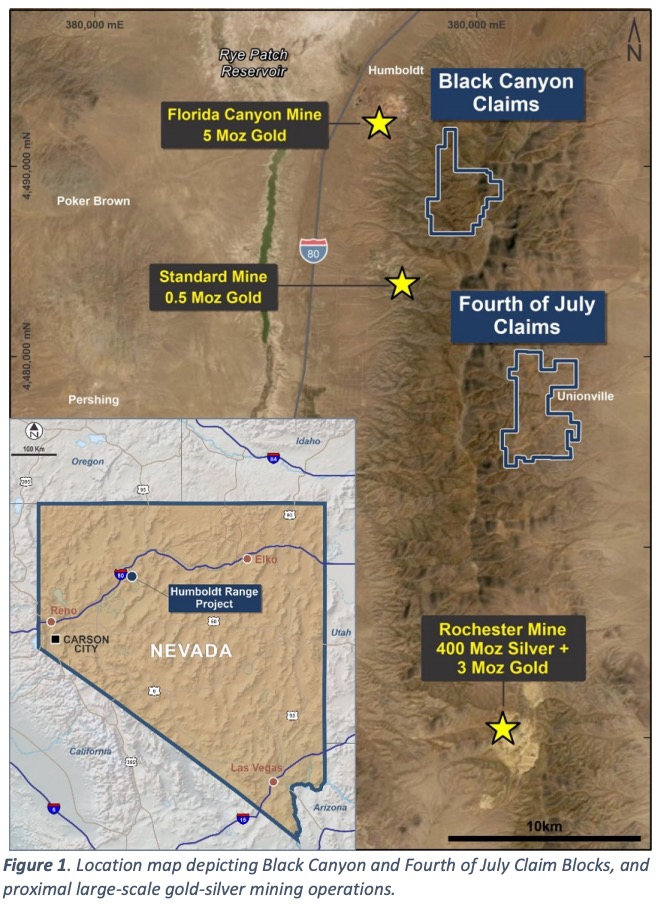
Fourth of July is at the southern end of Humboldt Range and is less than 15 kilometres from the operating Rochester Mine, which hosts 400 million ounces of silver and 3 million ounces of gold.
Shoot for silver
During soil sampling, PolarX uncovered a prominent silver anomaly in the southwest portion of the Fourth of July claims, associated with two major north-south striking faults which form the Arizona Graben.
Promisingly, multiple rock chip samples collected from veins within this very large silver anomaly assay over 60 g/t silver, while the anomaly is broadly defined as more than 0.5 g/t silver in soils.
Very limited historical reverse circulation drilling has taken place over this major anomaly. Renaissance Exploration Inc drilled seven holes in the region back in 2015, but other than that, the anomaly is effectively untested.
Go for gold
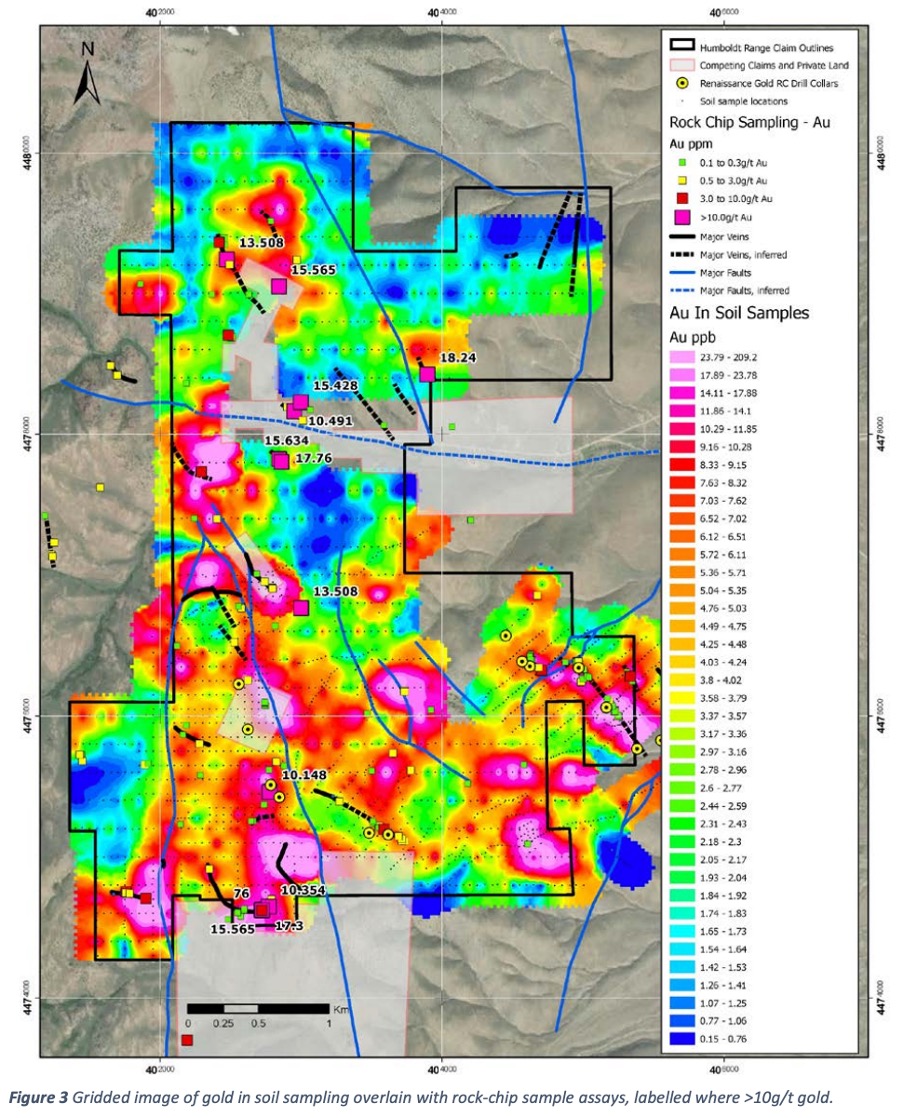
PolarX also discovered the Arizona Graben is highly anomalous for gold, particularly along the region’s fault margins.
Rock chip sampling along mineralised veins returned several assays over 10 g/t gold, with grades peaking at 76 g/t gold.
Meanwhile, the peak gold in soil anomalism recorded 413 parts per billion gold, while any anomalism over 20 parts per billion gold is considered highly significant.
What’s next?
PolarX intends to compile the latest geochemical soil sampling and rock chip results to generate a range of priority drilling targets at Fourth of July.
The explorer has already started target generation will focus on permitting for drilling during the September quarter.
Outside of Fourth of July, PolarX is preparing for assays from a soil and rock chip sampling program at Humboldt Range’s more gold-dominant Black Canyon claims.
All data from this claim will be compiled into a 3D model and used to generate and prioritise targets for drilling, with drill permitting to commence later this quarter.