
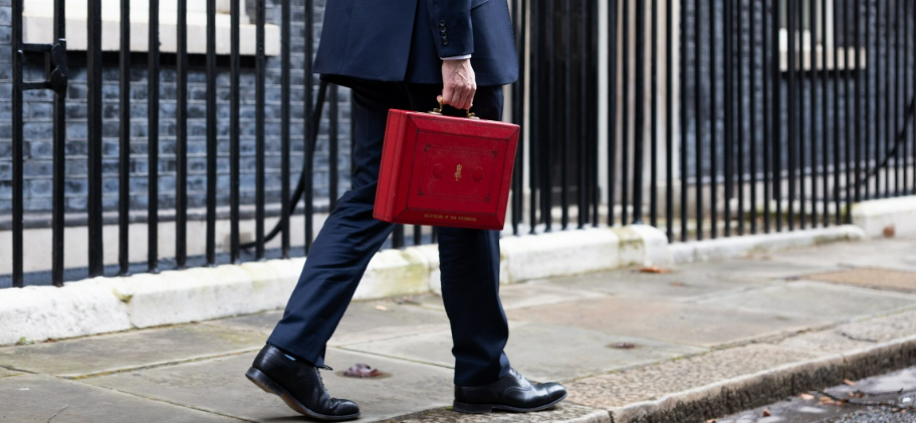
UK public sector borrowing came in at £1.8 billion in July, confounding expectations for a balanced month and adding pressure on Chancellor John Healey ahead of his first Budget in October.
The deficit was recorded despite strong tax receipts during a month that typically benefits from self-assessment income tax payments.
Borrowing across the first four months of the 2026/27 financial year reached £56.7 billion, according to the latest public finances data. While that was lower than the comparable period last year, it remained £2.3bn above the Office for Budget Responsibility’s forecast.
The figures add to the fiscal challenge facing Healey as he prepares to deliver the Budget on 28 October, a date confirmed by HM Treasury last month.
Public sector net debt stood at about £2.98 trillion, equivalent to roughly 94% of gross domestic product, having increased by around £96 billion over the past year.
Attention is increasingly turning to how much fiscal headroom the government will have when the OBR updates its economic and public finance forecasts alongside the Budget.
At the March spring statement, then-chancellor Rachel Reeves had around £23.6 billion of headroom against the government’s fiscal rules. Since then, higher inflation, weaker economic growth expectations and rising government borrowing costs have threatened to erode that buffer.
The deterioration comes as higher bond yields raise the cost of servicing the UK’s substantial debt pile, potentially limiting Healey's room for additional spending or tax cuts.
Healey, who was appointed Chancellor of the Exchequer on 20 July, has said fiscal discipline will remain central to the government’s approach.
“Fiscal discipline is the bedrock of our UK economic stability and national security,” he said in response to the July figures, reiterating the government’s commitment to meeting its fiscal rules while maintaining a buffer against global uncertainty.


