
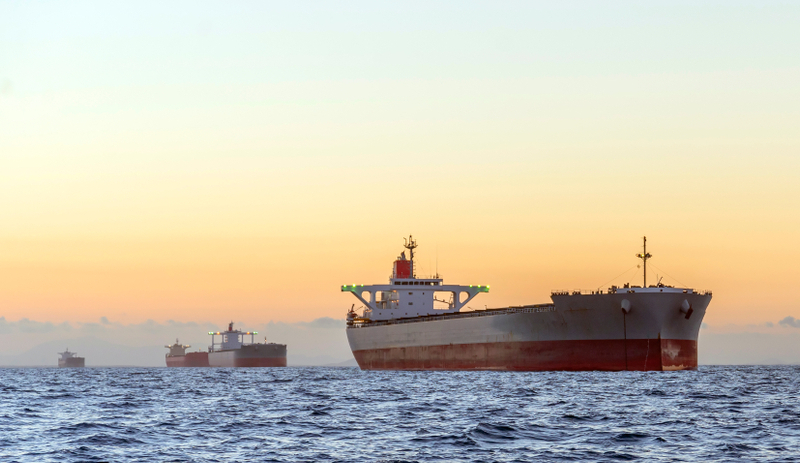
Prediction market traders have cut the odds of a meaningful recovery in shipping through the Strait of Hormuz by the end of this month, despite renewed talk of a diplomatic breakthrough.
The most likely outcome on Polymarket is that traffic stays at a trickle.
Bettors put a 44% chance on the seven-day average of transit calls being between zero and 20 a day on 31 August, and a further 32% on the 20 to 40 range.
That leaves a combined 76% probability that fewer than 40 ships a day are moving through the world's most important oil chokepoint at the end of the month.
The brackets implying a fuller recovery have been marked down hard. The 40 to 60 range now sits at 19%, down 32%, while 60 to 80 has fallen 43% to just 7%.
The chance of more than 80 ships a day is priced at 1%. A separate market on traffic returning to normal by 31 August is trading at 16%.
The measure being traded is the IMF PortWatch count of transit calls, which covers container ships, dry bulk carriers, roll-on roll-off vessels, general cargo and tankers.
On that basis, the waterway was handling roughly 70 vessels a day before the conflict began on 28 February, when the United States and Israel launched an air war on Iran and Tehran responded by mining and effectively closing the strait.
Recent daily counts have been in single figures.
The pessimism sits awkwardly alongside the diplomatic mood music.
Washington, Tehran and Muscat have been reported to be close to a 60-day interim arrangement that would reopen the waterway without tolls, and Qatar says a proposal has been drafted.
Donald Trump has announced a new round of talks, a claim Tehran has rejected.
Iran's lead negotiator has said the strait will not return to pre-war conditions and that fees will be charged for maritime services once a toll-free window expires around 17 August.
Oil markets have taken a more relaxed view than the shipping traders.
Brent has been trading around $80 a barrel, down from more than $126 in April and only a few dollars above where it stood before the war started.
That gap reflects a market that has found workarounds, with Gulf producers rerouting barrels and inventories cushioning the loss.
One market does allow for a burst of activity. Traders put a 67% chance on at least 30 ships transiting on any single day, a reminder that convoys under naval escort can produce spikes without shifting the weekly average.
Volume on the end-of-August market remains thin at about $25,000, so the probabilities should be read as a rough sentiment gauge rather than a firm forecast.


