
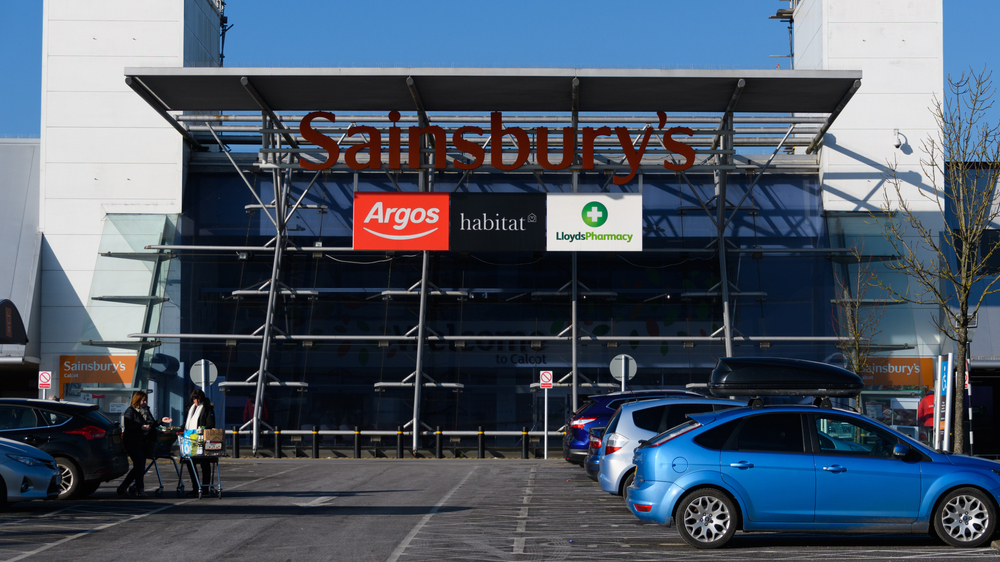
J Sainsbury PLC's (LSE:SBRY) first-quarter update was good enough to reassure, but not strong enough to change the argument materially.
Jefferies called the statement a “slight beat”, with grocery and Argos both ahead of consensus, offset by a weaker performance in general merchandise and clothing.
Like-for-like sales excluding fuel rose 2.1%, ahead of the 1.9% expected, while grocery sales rose 3.6% against consensus of 3.4%.
The more interesting point was Argos. Sales fell 0.5%, but this was better than the 2.6% decline expected by analysts. Volumes were up 2.2%, helped by fans during the May heatwave and large-screen TVs before the World Cup. Jefferies cautioned that this may reflect a shift towards lower-margin categories, meaning forecasts are unlikely to move much.
Shore Capital, Sainsbury’s house broker, was understandably more upbeat, calling the grocery performance “very good” against tough comparatives and highlighting fresh food sales growth of 5%.
It also pointed to Sainsbury’s “strong defensive credentials”, free cash generation, 4.5% yield and recurring buyback.
Guidance was unchanged, with underlying operating profit still expected at £975 million to £1.075 billion.
Shore said the bottom end of that range "may yet be raised" if second-quarter trading benefits from warmer weather.
Jefferies said the immediate focus would be if management reveals any more details about how Q2 has started, on Argos margins and about grocery competition.
Analysts at Hargreaves Lansdown called it a "solid start to the year, with grocery sales outpacing the broader market and pushing the top line higher".
They added that the company's focus on value, quality, and availability "has led more customers to turn to Sainsbury's for their big weekly shop, driving grocery sales up", while initiatives like Nectar prices and the biggest ALDI Price Match in the market are helping keep customers loyal.
"However, while the UK food market is proving resilient overall, Sainsbury’s is more exposed to general merchandise than its peers through its ownership of Argos. These are areas where sales have been lacklustre of late, and that trend’s worsened over the first quarter, with sales growth slipping into negative territory."
The Hargreaves Lansdown analysts said cost pressures "remain a threat to monitor this year", with higher-for-longer oil prices a potential source of more pressure as the year continues, "especially for the more discretionary items that Argos sells".
Victoria Scholar at Interactive Investor said: "After a challenging two months for the stock from mid-April onwards following disappointing full-year earnings and a major broker downgrade from ‘buy’ to ‘sell’ from Goldman Sachs, slashing its price target, there appear to be some green shoots of recovery coming back into play in recent weeks as the recent rebound looks to be gathering momentum.
"While shares are little changed so far this year, the stock remains higher by a respectable 15% over the past 12 months, a similar percentage increase to its long-standing rival Tesco."


