
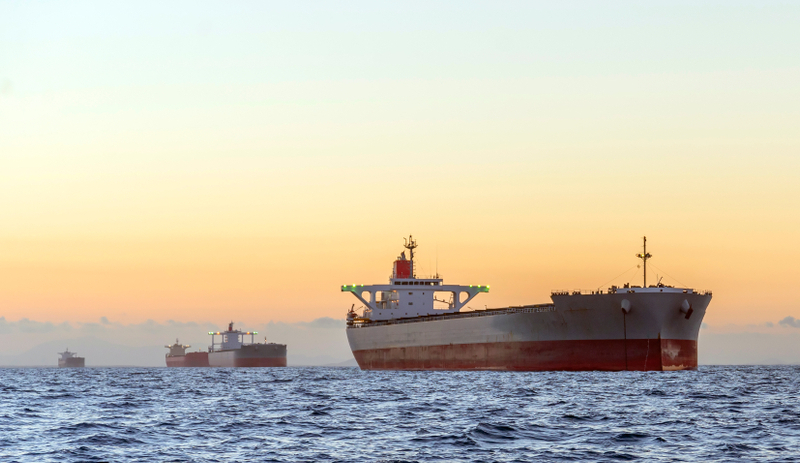
Prediction market traders remain doubtful that shipping traffic through the Strait of Hormuz will return to normal by the end of June, despite the signing of an interim peace agreement between the US and Iran and the first signs of vessels re-entering the strategic waterway.
Polymarket currently assigns only a 20% probability to a full normalisation of traffic by 30 June, reflecting concerns that the reopening process could prove slower and more complicated than political leaders have suggested.
The market's scepticism persists even after two commercial vessels, a laden liquefied natural gas carrier and an empty products tanker, successfully began transiting the strait under arrangements approved by Tehran.
The LNG tanker Mraikh, chartered by QatarEnergy, is carrying a cargo loaded in Qatar and is signalling Pakistan's Port Qasim as its destination.
The products tanker Ye Chi, managed by a subsidiary of Chinese shipping group Cosco, also entered the waterway after the agreement took effect.
While the crossings represent an important symbolic step towards restoring maritime trade, broader shipping activity remains limited. Industry participants have been waiting for greater clarity on operating procedures, insurance coverage and security arrangements before committing additional vessels to the route.
The Strait of Hormuz, which handles roughly a fifth of global oil consumption and a significant share of liquefied natural gas exports, has been largely closed for almost four months following the escalation of tensions between Washington and Tehran.
During that period, only limited volumes moved through the corridor, often under special arrangements or with vessels disabling tracking systems.
Energy markets are closely monitoring developments because Gulf producers, particularly Qatar, depend heavily on the route to reach international customers.
QatarEnergy is reportedly seeking to restore most of its export capacity within two months, although logistical challenges remain significant given the shortage of available LNG carriers in the region.
The sharp decline in Polymarket's probability estimate over recent weeks suggests traders believe that while the peace deal reduces immediate geopolitical risks, a return to pre-crisis shipping volumes by month-end remains unlikely.
Markets appear to be pricing in a gradual reopening rather than an immediate restoration of normal commercial traffic.
In London trading, Brent, the crude oil benchmark, was changing hands for $77.96 a barrel, down 0.7%.


