
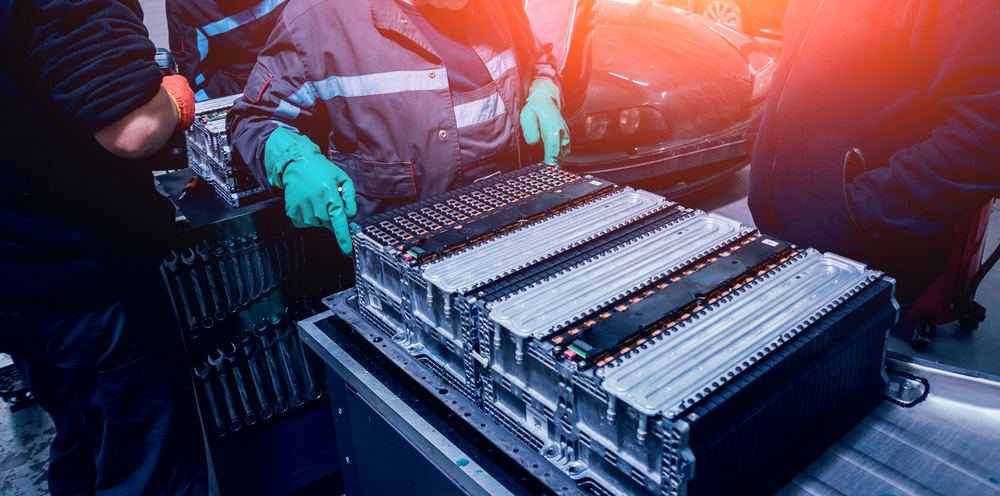
The Gulf war is set to speed up investment in renewable energy and, in particular, batteries, according to UBS.
The bank argued that conflict heightens the appeal of energy security, both for countries and for individual households.
In an age when daily life is hard to imagine without a mobile phone, it noted, the case for a personal power source grows.
Much of the new spending is likely to focus on using existing infrastructure more efficiently, UBS said.
In practice, that means a growing incentive to retrofit batteries to solar panels that are already installed. Batteries allow households to store power generated during the day and draw on it after dark.
The economics have shifted sharply, with battery prices now a third of their 2016 level. China dominates global lithium battery sales, and its export volumes jumped more than 30% in the first quarter compared with a year earlier.
As the war pushes energy prices up the agenda for consumers, UBS expects that incentive to strengthen.
Australia offers an early example of how quickly the picture can change. Government schemes there have encouraged households to install batteries alongside their solar panels.
In the early evening, once panels stop generating, batteries now meet more than 12.5% of electricity demand. At the start of the decade, they supplied almost nothing.
UBS framed the trend as part of a broader move towards individual, as well as national, energy resilience.
The shift, it suggested, is no longer only a story about national grids.


