
Diageo PLC (LSE:DGE) has focused too heavily on premium spirits and now needs to broaden its appeal to more price-conscious consumers, according to Jefferies, which has raised its target price on the drinks maker to £20 from £19.
In a mammoth 99-page report entitled "Addressing the Premiumisation Hangover", analysts argued that while the long-term trend towards consumers drinking "less but better" remains intact, pressure on household budgets has exposed weaknesses in the FTSE 100 group's portfolio.
Only around 16% of Diageo's portfolio is directly exposed to what it describes as a premiumisation hangover, Jefferies analysts Edward Mundy and Sebastian Hickman estimate, with tequila representing the biggest challenge.
Another surprise was that analysis of nearly 2,000 market and pricing data points suggests the company is actually "less premium" than the wider market in more than a quarter of its portfolio, "which represents an opportunity rather than a risk".
Rather than cutting prices across the board, the analysts expect Diageo to introduce targeted price adjustments, smaller pack sizes and a broader range of products to attract consumers who have traded down during the recent slowdown.
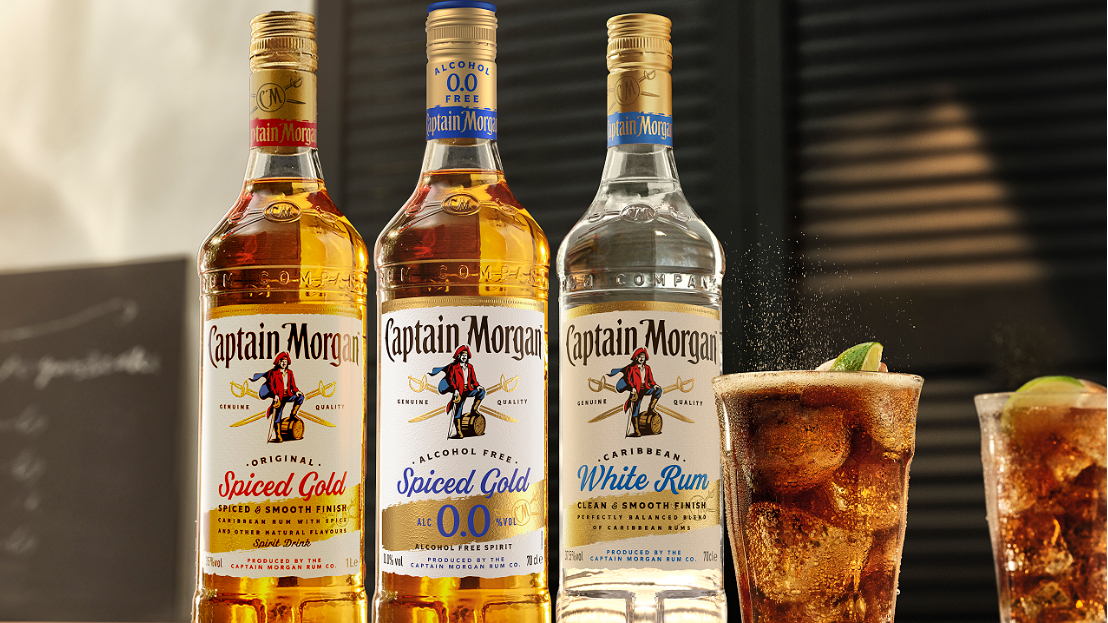
Opportunities are also seen in ready-to-drink products and mainstream brands that have received less attention during the industry's premiumisation boom. Diageo mainstream and mid-tier brands include Smirnoff vodka, Captain Morgan rum, Seagram’s 7 Crown and Johnnie Walker Red Label whisky, and Gordon’s and Tanqueray gin.
Mundy and Hickman believe a strategy update scheduled for 6 August could provide investors with greater clarity on the recovery plan in the medium-term.
They think the company is capable of "at least" low single-digit organic sales growth, mid single-digit org EBIT and mid single-digit capital returns to shareholders from the 2028 financial year through dividends and buybacks.
They expect 2027 to remain a transition year before growth improves in 2028 as the turnaround gains traction.
A 'buy' rating was reiterated, with the pair arguing the shares trade at a significant discount to both their historical valuation and a 28% discount to the wider consumer staples sector, compared to historically this being close to just 2%.


