
Gelion PLC (AIM:GELN, OTC:GELNF, FRA:X0S), the sulfur battery company, is stepping deeper into commercial territory, outlining a clearer pathway from laboratory innovation to scalable manufacturing and market entry.
The company’s strategy centres on a simple but ambitious premise: replacing conventional lithium-ion cathode materials with sulfur — a cheaper, more abundant alternative — while maintaining performance and compatibility with existing battery manufacturing infrastructure.
That proposition has long been the industry’s “next frontier”. Gelion is now attempting to move it closer to reality.
At the core of the company’s approach is its proprietary nano-encapsulated sulfur (NES) cathode material, designed to overcome historical challenges associated with sulfur batteries — particularly stability and performance degradation — while enabling a “drop-in” solution for existing gigafactories.
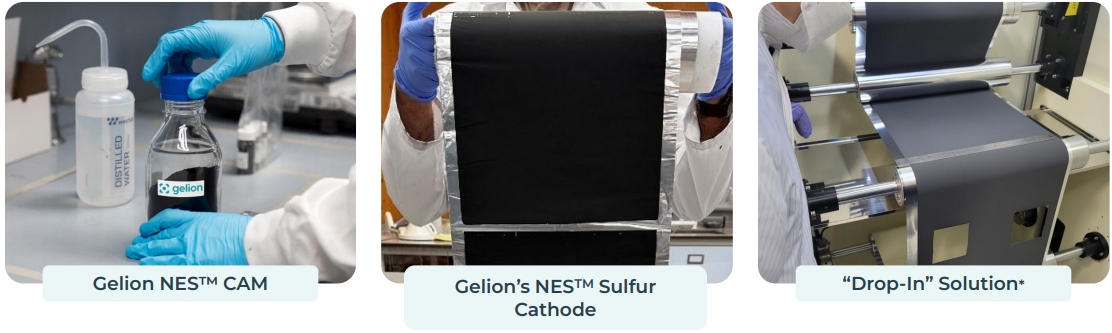
Gelion’s technology: Replacing expensive, toxic critical materials such as nickel & cobalt (Source: Gelion, March 2026 interim results presentation).
Cracking sulfur’s stability challenge
Sulphur has long offered clear advantages in cost and energy density but struggled with stability, as dissolved sulfur compounds can migrate within the battery during use, degrading performance.
Gelion’s solution is to confine sulfur at the nanoscale within a protective structure, limiting this “shuttle effect” while also managing expansion and conductivity issues.
The result is a cathode material designed to deliver higher energy density and longer cycle life, while remaining compatible with existing lithium-ion and sodium-ion manufacturing processes — a key factor in enabling adoption across applications ranging from electric vehicles and aviation through to grid-scale storage.
Targeting a rapidly expanding market
Gelion’s timing is deliberate. The global cathode materials market is expected to expand significantly over the coming decade, driven by electrification of transport, grid-scale storage demand and supply chain diversification.
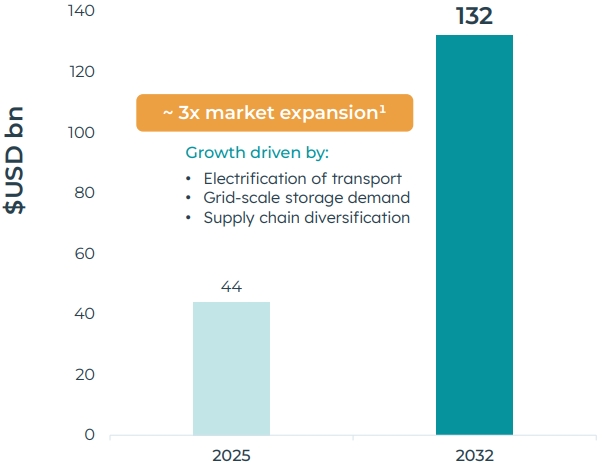
Cathode active materials market opportunity.
The company is targeting this opportunity with a focus on sulfur-based cathodes as an alternative to incumbent lithium iron phosphate (LFP) and nickel manganese cobalt (NMC) chemistries — both of which rely on increasingly constrained or geopolitically sensitive materials.
Sulphur, by contrast, offers cost and sustainability advantages. Gelion’s technology aims to translate those advantages into practical performance gains, including higher energy density, broader operating temperature ranges and improved power output.
Importantly, the company is positioning its material not as a wholesale replacement requiring new infrastructure, but as a compatible upgrade within existing battery manufacturing ecosystems — a key factor in accelerating adoption.
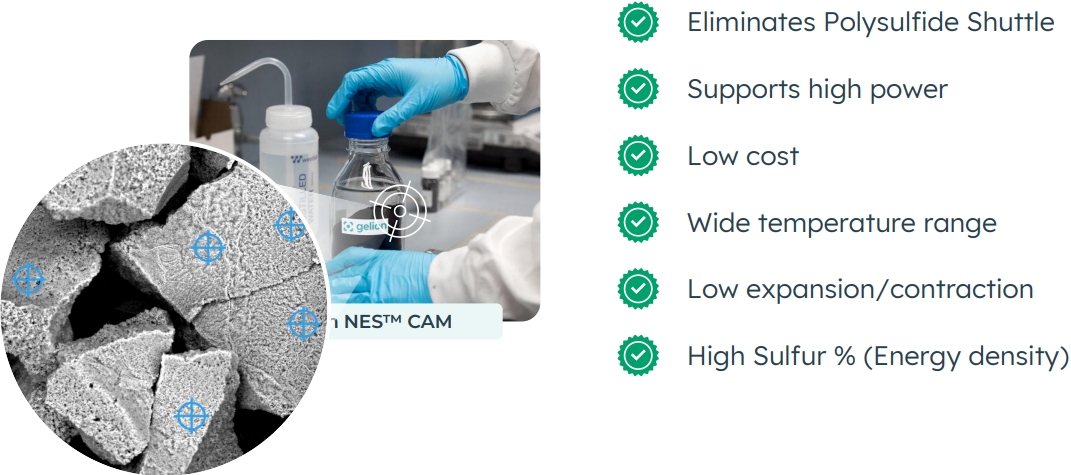
Gelion’s nano-encapsulated sulfur CAM: Patent protected next-generation sulfur battery technology.
From lab to prototype
One of the more tangible signs of progress is the transition from material development to cell-level validation.
During the period, Gelion delivered cathode active material (CAM) samples to partners including TDK Corporation and QinetiQ, enabling the production of initial pouch cells. Early results were reported in line with expectations, marking a step towards commercial validation.
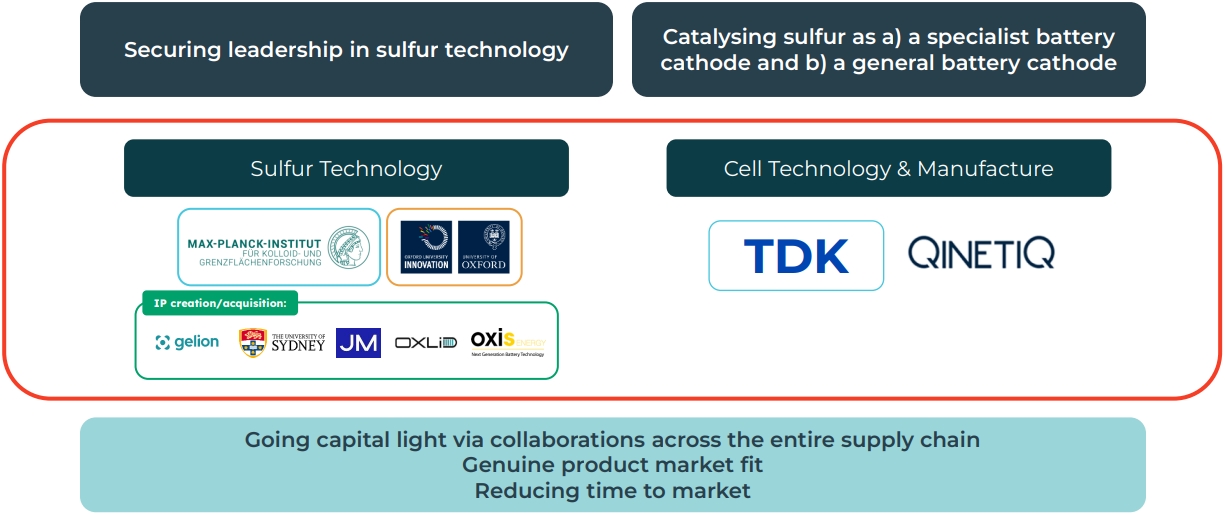
2025 — Technology and cell leadership.
More recent testing has added weight to those early results. In lithium-metal pouch cells manufactured by TDK, Gelion’s NES material has demonstrated strong cycle stability in a commercially relevant format, with cells continuing to retain capacity through extended testing.
In parallel, full-cell testing using standard graphitic anodes — the dominant architecture in today’s lithium-ion batteries — has delivered more than 750 charge-discharge cycles at a 1C rate with performance still holding, bringing it closer to the cycle life typically associated with incumbent chemistries such as NMC.
The strength of those outcomes has prompted an expansion of Gelion’s collaboration with TDK, broadening the scope to include more commercially applicable anode configurations and providing a clearer pathway towards integration into existing battery manufacturing lines.
Gelion chief technology officer Louis Adriaenssens recently spoke with Proactive about the company’s expanded collaboration with TDK:
The company also achieved a notable technical milestone in areal capacity — increasing from 1.5Q to 4Q — which is critical for high-energy-density applications.
At the same time, Gelion has expanded its analytical capabilities through the completion of its Advanced Commercial Prototyping Centre (ACPC) suite, enabling more detailed specification and testing of its materials.
These developments collectively point to a shift from proof-of-concept work towards scalable product definition — a key inflection point for battery technology companies.
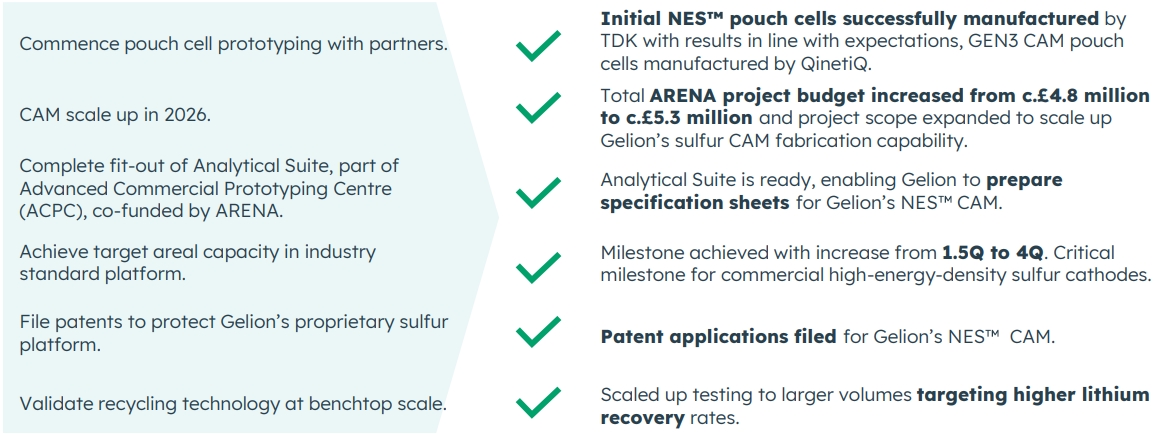
Delivering on technological commitments: Progress against 2025 priorities.
Capital-light model built on partnerships
Rather than pursuing a capital-intensive manufacturing strategy, Gelion is leaning into a collaboration-led model.
The company is actively working with global partners across the battery value chain — from materials fabrication and process engineering through to cell manufacturing and end-use applications.
This approach allows Gelion to leverage existing industrial capacity while focusing on its core intellectual property in cathode materials.
The collaboration pipeline is described as active across multiple regions, including the US, Europe and Asia, with structures designed to preserve Gelion’s IP while enabling value capture through material supply and licensing.
The strategy also aims to reduce time to market — a critical advantage in a rapidly evolving battery landscape where commercial timelines can define winners and losers.
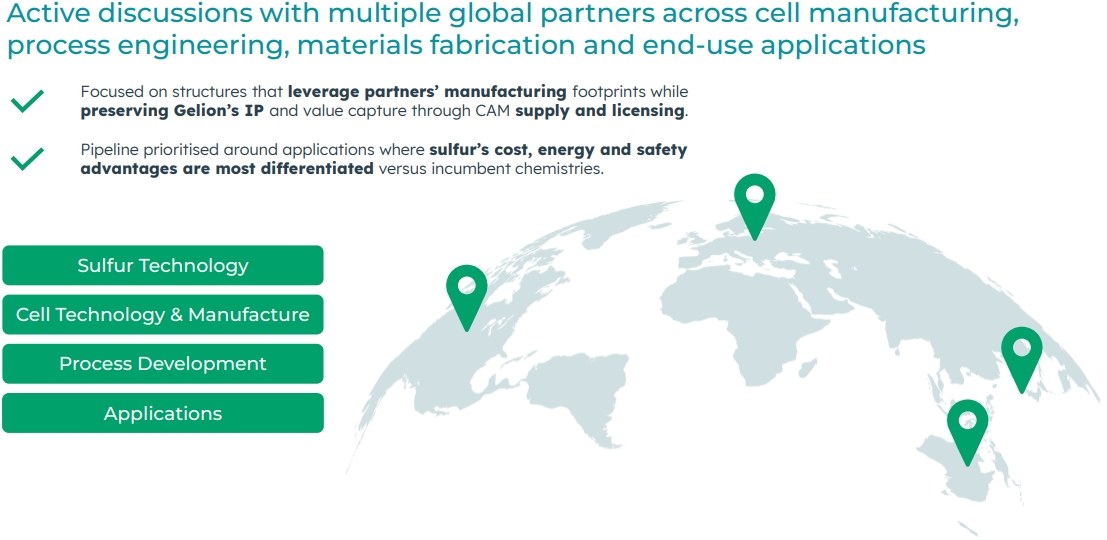
Collaboration pipeline.
Integration and recycling add optionality
While sulfur technology remains the central pillar, Gelion is also building complementary business units in integration solutions and recycling.
On the integration side, the company has commissioned two 2MWh battery energy storage system (BESS) units through its first commercial deployment with GroupEnergy, providing a real-world platform for deployment and demonstration.
However, revenue from this segment is expected to lag, with the company flagging long sales cycles of 9–20 months and no material contribution anticipated in FY26. The current pipeline, valued at more than £17 million, is expected to mature into FY27.
In recycling, Gelion has established a UK-based testing facility and validated its technology at benchtop scale, with ongoing work to scale volumes and refine unit economics.
This segment targets the recovery of valuable materials from battery waste streams — an increasingly important theme as the first generation of EV batteries reaches end-of-life.
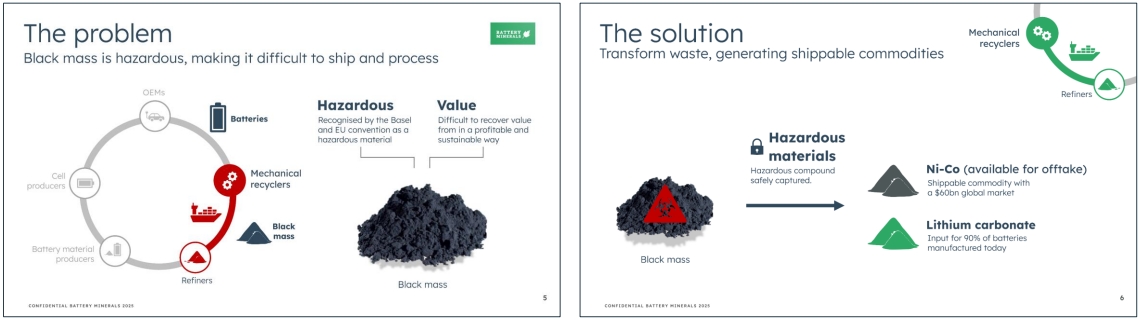
These adjacent businesses provide optionality but remain secondary to the core sulfur platform.
Financial position strengthens
From a financial perspective, Gelion’s half-year results show incremental improvement consistent with its stage of development.
Total income rose modestly to £0.5 million, driven primarily by grant funding, while adjusted EBITDA losses narrowed to £2.4 million from £2.9 million in the prior period.
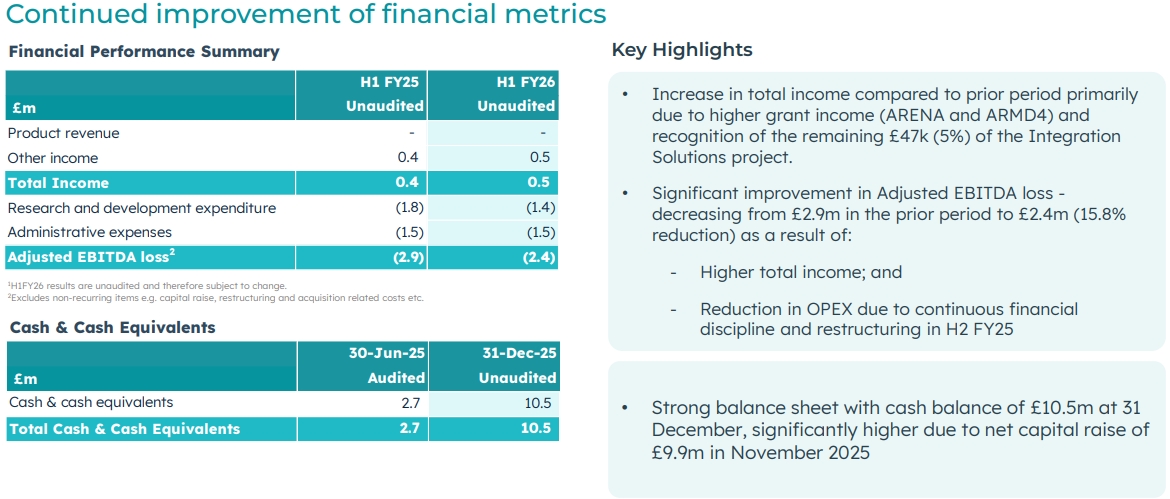
Financial overview.
The more significant development is on the balance sheet. A £10.5 million cash position at the end of December reflects a £9.9 million net capital raise completed in November, providing runway to advance commercialisation.
The company has also reduced operating expenditure through restructuring and cost discipline, signalling a focus on capital efficiency as it scales.
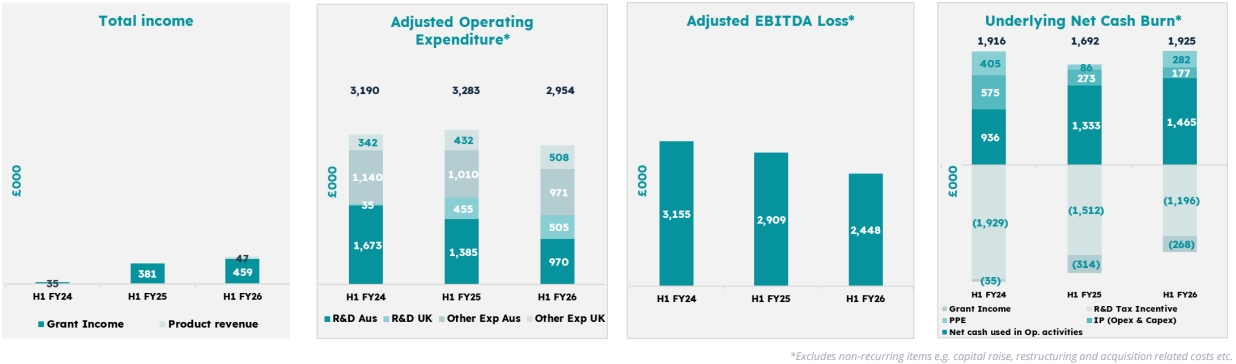
Snapshot of financial progress
Looking ahead, Gelion plans targeted investment of around £1.15 million into manufacturing capacity, team expansion and US market entry — with roughly half expected to be offset by grants and external funding.
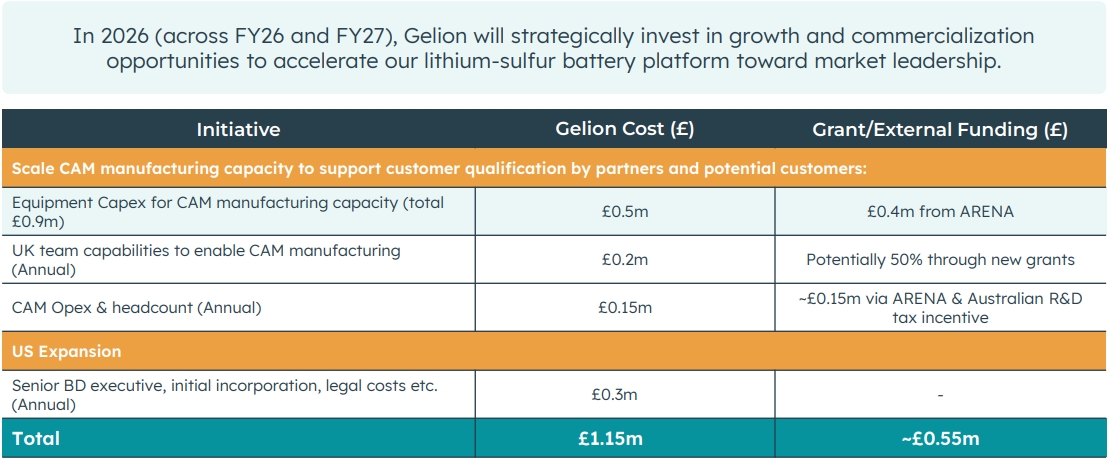
H2 FY26 and CY 2026 – Growth focus investments
Commercial focus comes into view
The next phase for Gelion is increasingly defined by execution rather than discovery.
Key near-term catalysts include advancing pouch cell prototypes into commercial testing, delivering demonstration milestones with partners and expanding its network of strategic collaborations.
The company is also prioritising applications where sulfur’s advantages — particularly cost, safety and energy density — are most differentiated.
That includes sectors such as electric mobility, aviation and stationary storage, where performance improvements can translate directly into economic value.
At the same time, management continues to emphasise capital discipline and non-dilutive funding, reflecting the high-risk, high-reward nature of next-generation battery development.
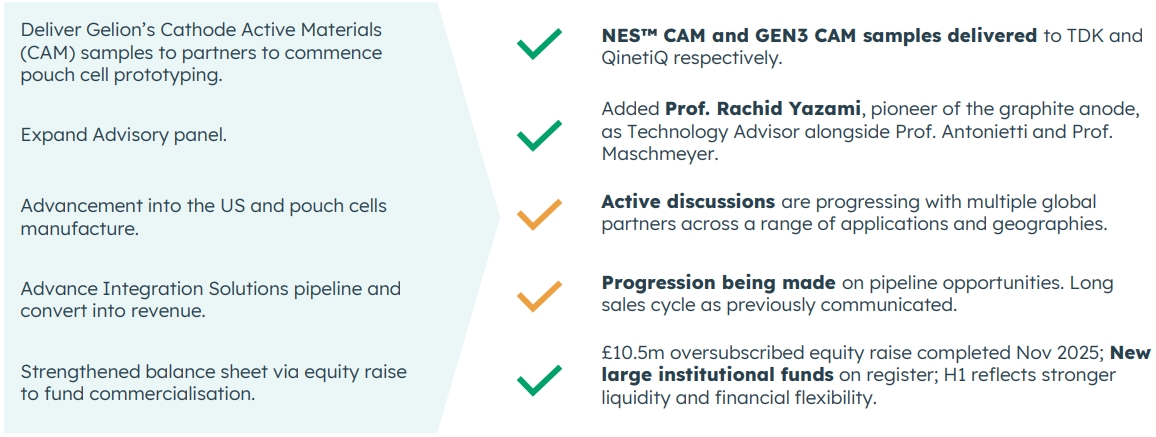
Delivering on commercial commitments: Progress against 2025 priorities.
A technology at an inflection point
Gelion's recent progress underscores a broader shift underway across the battery sector.
After years of incremental improvements to lithium-ion chemistry, attention is increasingly turning to alternative materials that can deliver step-change gains in cost and performance.
Sulfur has long been part of that conversation. What has been missing is a commercially viable pathway.
Gelion’s progress suggests that pathway may be starting to take shape — though significant technical, manufacturing and market hurdles remain.
For now, the company appears to be moving beyond early-stage research and into the more demanding phase of commercial validation — where partnerships, scale and execution will determine whether sulfur batteries can move from promise to reality.
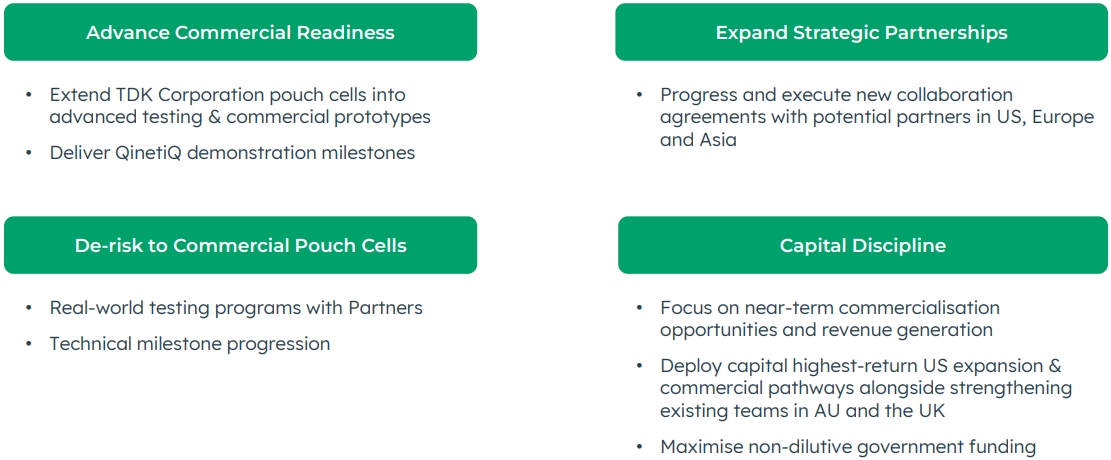
Upcoming catalysts: 27 H2 FY26 and medium-term priorities