
For Orthocell Ltd (ASX:OCC, OTC:ORHHF), the focus in 2026 is no longer on regulatory milestones. With US FDA approval secured and early commercial activity under way, the company is now firmly in the execution phase of its US expansion — the stage where strategy, infrastructure and market access begin to translate into recurring revenue growth.
Over the past year, Orthocell has been building the foundations for that transition, progressing hospital approvals, expanding its US commercial footprint and beginning to convert surgeon engagement into repeat product use. Its latest US market and operational update points to a business moving beyond launch milestones and into the practical mechanics of scaling sales in the world’s largest medical device market.
While regulatory approval is a critical step for any medtech entering the US, sustained growth depends on a slower, more operational process — one that unfolds hospital by hospital and surgeon by surgeon. For Orthocell, that process is now well under way.
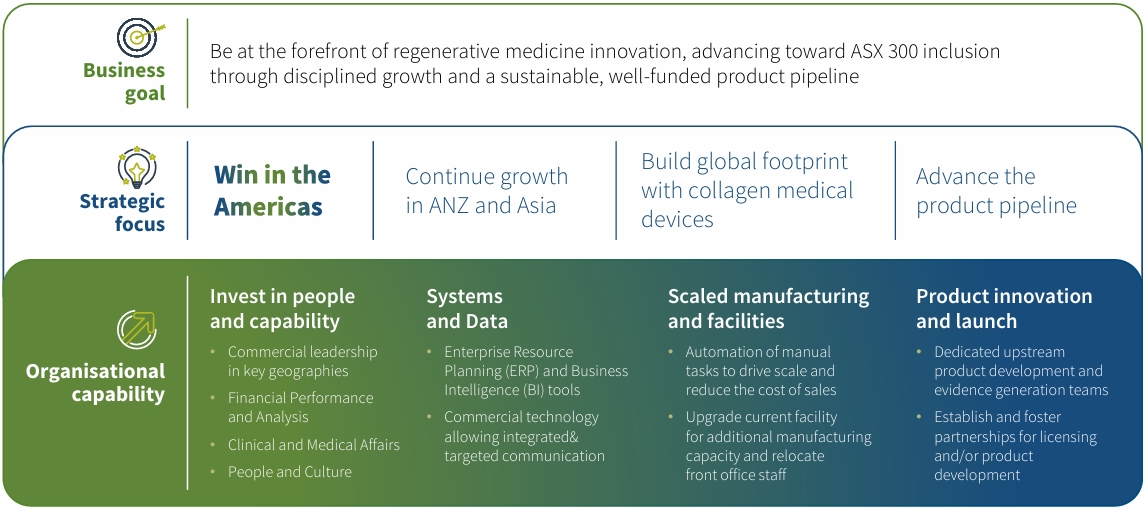
A large, underpenetrated surgical market
Orthocell’s US opportunity sits within a sizeable and established segment of surgical care. More than 700,000 peripheral nerve repair procedures are performed each year in the US, with the vast majority still relying on suturing alone.
Rather than attempting to displace that standard, Orthocell has positioned its flagship product, Remplir, as a complementary solution — used selectively to support nerve healing where surgeons see clinical benefit. This approach reflects both the conservative nature of the specialty and the limited penetration achieved by earlier nerve repair devices, which have often struggled with handling, integration and outcome consistency.
For Orthocell, that dynamic creates a large addressable market where even modest adoption rates can underpin meaningful volume growth over time.
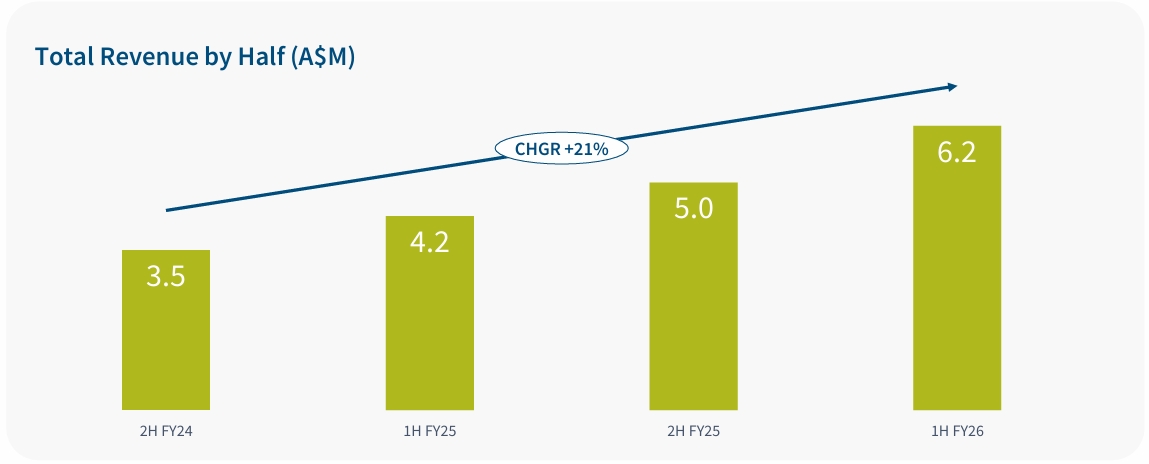
Orthocell has maintained continued revenue growth over the last three halves, driven by device sales.
Building access, hospital by hospital
With regulatory clearance in place, Orthocell’s attention has shifted to the practical work of gaining access inside US hospitals — a process that is now progressing across multiple fronts.
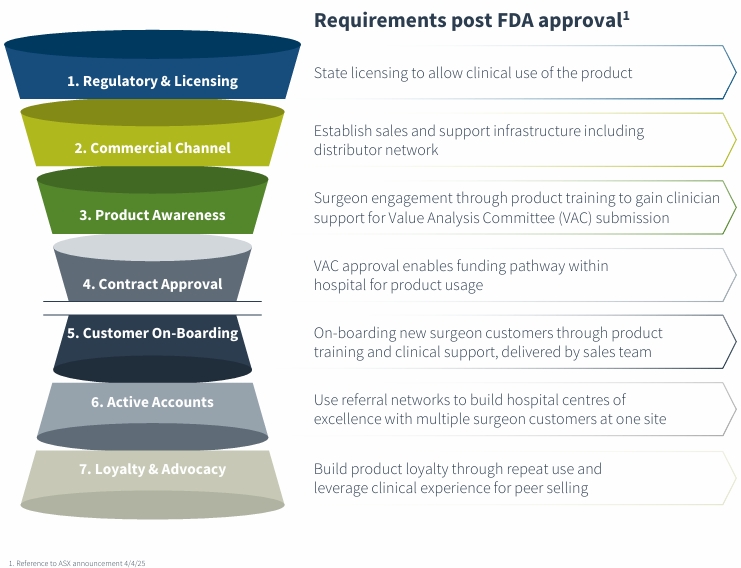
The company has progressed state-level licensing across the US following FDA clearance, enabling clinical use in the vast majority of jurisdictions.
In parallel, Orthocell has established a distributor network covering both the east and west coasts, supported by a dedicated US-based team spanning sales, clinical affairs, medical education and marketing.
From there, the focus shifts inside hospitals. Surgeons must be trained and supported, and products must pass through Value Analysis Committees (VACs) before they can be routinely funded and adopted. Orthocell has now submitted a growing number of VAC applications, with a steadily increasing proportion approved — including approvals that cover multiple hospitals within larger health networks.
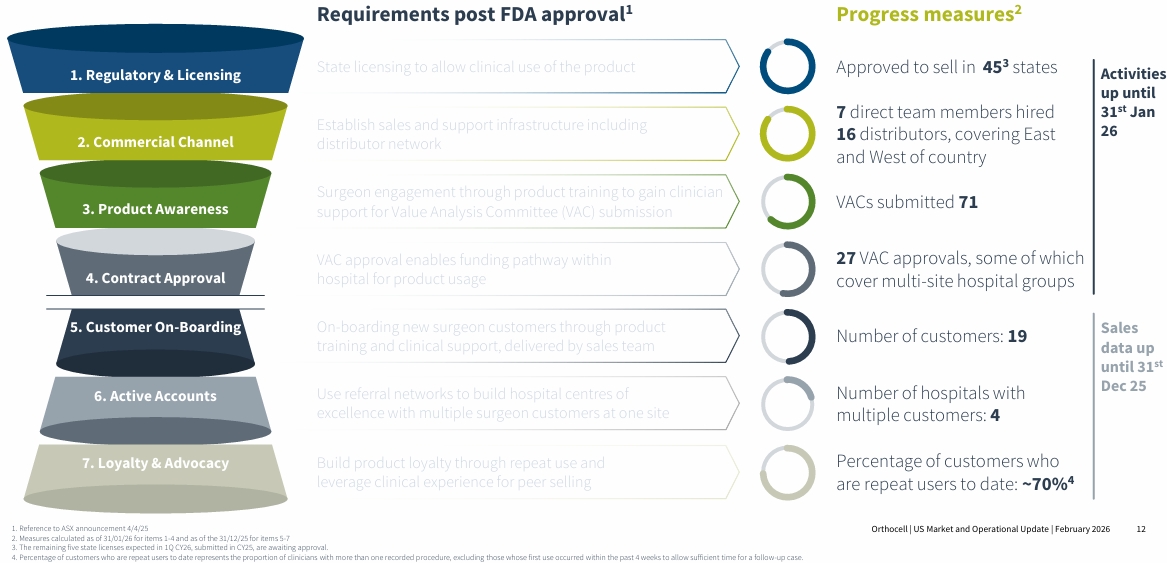
Those approvals matter because they create durable pathways for use. Once a product is approved at the hospital level, it becomes significantly easier for surgeons to adopt it consistently and for usage to expand across departments and sites.
Early traction begins to take shape
While Orthocell’s US revenue base remains at an early stage, the company is beginning to see encouraging signs of traction. The number of active surgeon customers is growing, and a meaningful proportion of those users are returning for repeat cases — an important indicator in a specialty where clinical confidence builds over time.
The emergence of hospitals with multiple Remplir users also points to early internal advocacy, where experience with the product spreads beyond a single clinician.
Taken together, these metrics suggest the US rollout is progressing beyond initial evaluation and into early adoption — a critical transition for any medical device entering the US system.
Visibility on the path to breakeven
Orthocell’s update also provides clearer visibility around the economics of its US strategy. Based on current pricing and cost assumptions, the company estimates it would require about 10,000 Remplir unit sales per year in the US to reach cash flow breakeven at the operating level.
Given that nerve repair procedures typically require more than one unit per case, this equates to roughly 5,000 to 6,000 procedures annually — representing less than 1% of the total US market.
The scale of the opportunity becomes clearer when compared with Australia, where Orthocell has already built a meaningful market presence, selling 4,500-5,000 units per year, representing about 10–12% of the peripheral nerve repair market. Replicating even a fraction of that penetration in the US would represent a significant step-change in revenue.
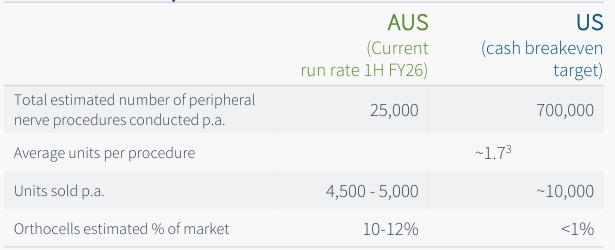
Estimated US market contribution required for cash breakeven compared to the Australian market.
Importantly, the company’s breakeven framework is grounded in achievable volumes rather than aggressive market share assumptions, providing a practical reference point as US adoption continues to build.
Investing to support growth
As market access progresses, Orthocell is also investing in the internal capabilities required to support higher volumes. The company has approved a staged expansion of its manufacturing footprint, designed to increase capacity, reduce unit costs and support automation.
Planned upgrades include expanded manufacturing and warehousing space, alongside automation initiatives aimed at shortening production cycles and enabling extended operating hours without a corresponding increase in headcount. Inventory availability is expected to remain stable during construction, supported by stock held in both Australia and the US.
By retaining manufacturing in-house and owning its intellectual property, Orthocell is seeking to preserve margins while maintaining control over quality and supply as volumes scale.
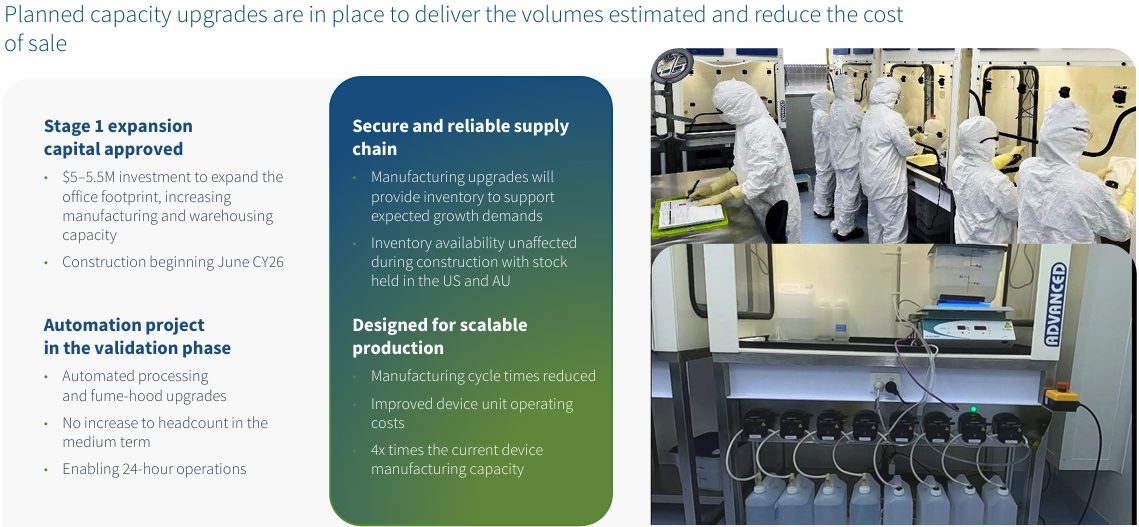
Manufacturing expansion – stage 1.
A broader international footprint takes shape
While the US remains the primary growth focus, Orthocell continues to progress opportunities in other international markets. Distributor appointments in Canada and Hong Kong are under way, while regulatory submissions for Europe and the UK have been lodged, with market entry targeted following clearance.
These markets are expected to complement the US rollout over time, leveraging clinical evidence and operational learnings generated through the company’s largest addressable opportunity.
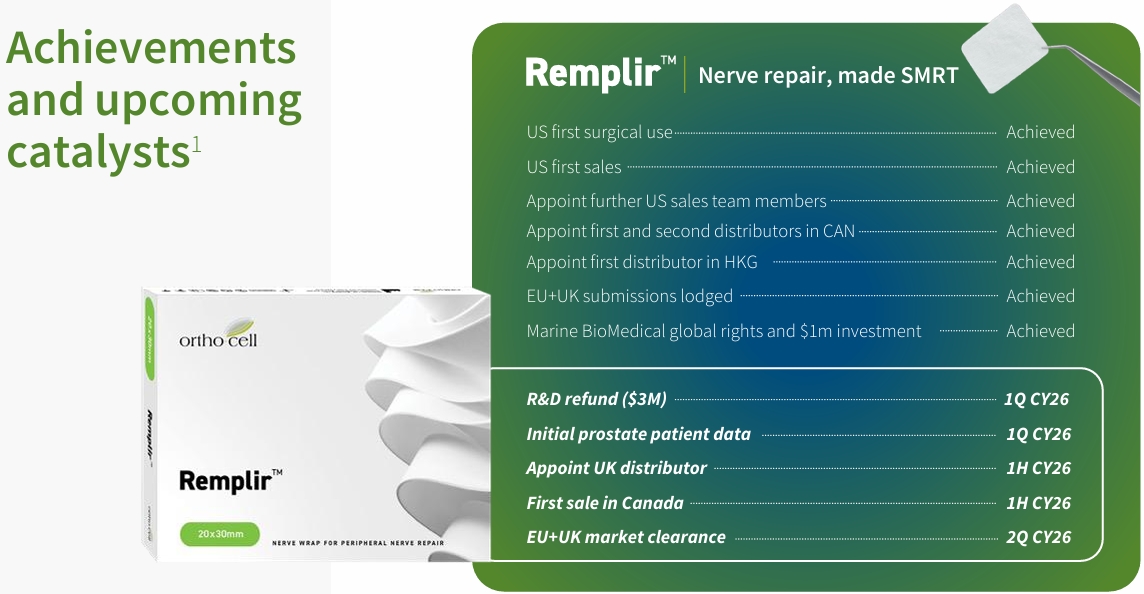
Moving into the commercial phase
With FDA approval behind it and early US traction emerging, Orthocell has entered a new phase of its growth story — one defined less by regulatory milestones and more by execution, access and repeat usage.
The company’s progress to date reflects a measured approach, focused on building durable hospital relationships, supporting surgeons and scaling infrastructure in step with demand. As the US rollout continues, the pace of adoption and the expansion of active hospital accounts will be key markers to watch.
For Orthocell, the task ahead is clear: continue converting early engagement into sustained usage, while laying the groundwork for broader international growth. The building blocks are now in place, and the emphasis has firmly shifted to delivery.