
Immunotherapy has reshaped cancer treatment over the past decade — yet its limits are becoming just as clear as its successes. Drugs that were once expected to transform patient survival across tumour types often work well in some cancers, partially in others, and barely at all in certain hard-to-treat groups. Even blockbuster PD-1 inhibitors, a US$40+ billion drug class, still leave major treatment gaps: resistance, limited response rates, and poor efficacy in tumours such as triple-negative breast cancer or EGFR-mutant lung cancer.
Those gaps are now driving the next wave of immuno-oncology research, as companies try to understand why the immune system stalls — and how to intervene earlier in the suppression cascade. One of the most closely watched targets in this next wave is VISTA, an immune checkpoint regulator that sits further “upstream” of PD-1 and is highly expressed in several difficult cancers. High VISTA expression is associated with poorer prognosis, faster disease progression and resistance to PD-1 blockade.
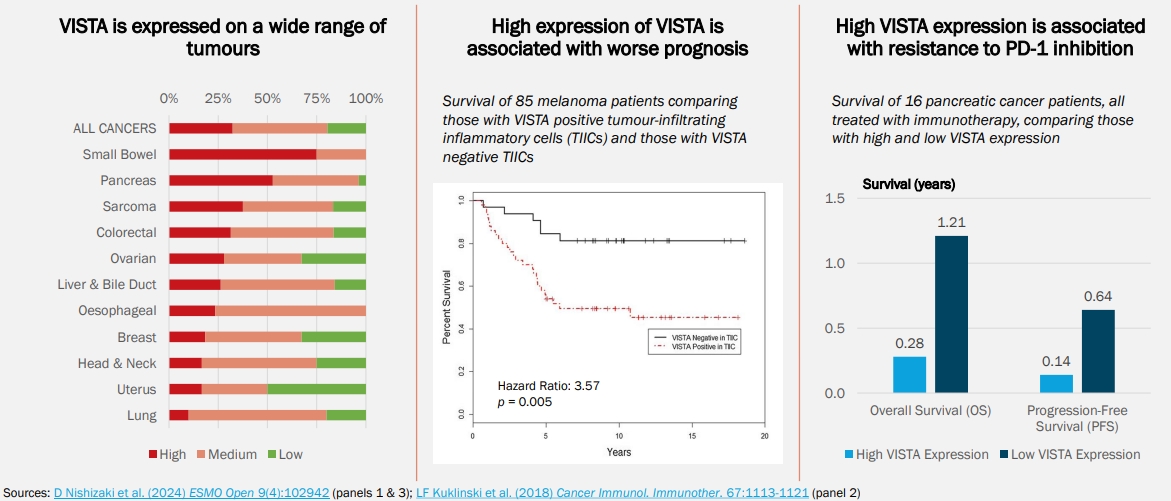
VISTA is a highly attractive target for novel oncology therapies, showing high expression on many tumours and clear correlation with prognosis
It’s this broader failure of current immunotherapies — not a single tumour type, but a systems-level blind spot — that Percheron Therapeutics Ltd (ASX:PER, OTC:PERCF) is aiming to address with its lead program, HMBD-002.
A first-in-class shot at a validated but unaddressed checkpoint
Percheron, a Melbourne-based ASX-listed biotech, has spent the past year refining its clinical strategy around HMBD-002, a monoclonal antibody that targets VISTA and could become a first-in-class therapy in that space. No VISTA-targeting medicines are currently approved anywhere in the world.
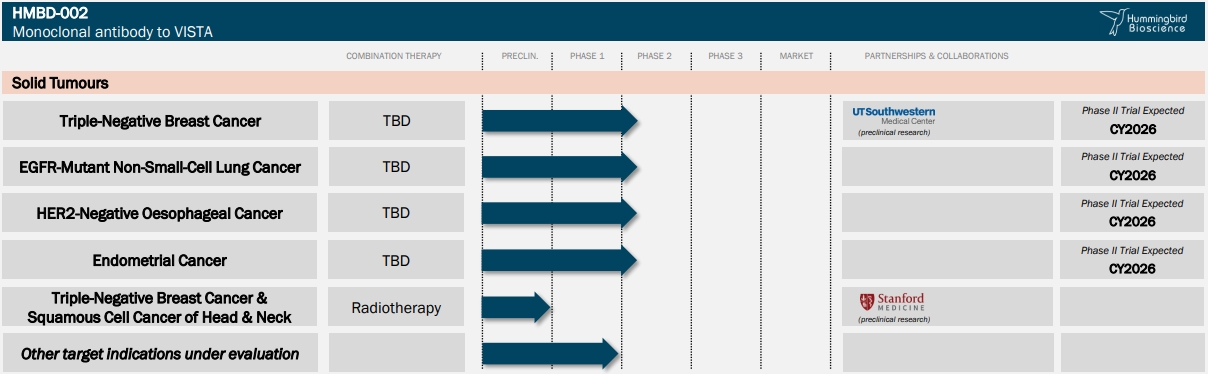
Percheron’s pipeline includes HMBD-002, a potential first-in-class immuno-oncology asset with applicability to a wide range of cancer indications
What differentiates Percheron’s approach is that HMBD-002 is an IgG4 antibody, designed to block VISTA signalling without triggering the potentially dangerous immune activation associated with IgG1 antibodies. That distinction matters: several competing programs from major players have stalled or been discontinued, in part because of toxicity issues linked to IgG1-mediated cell killing.
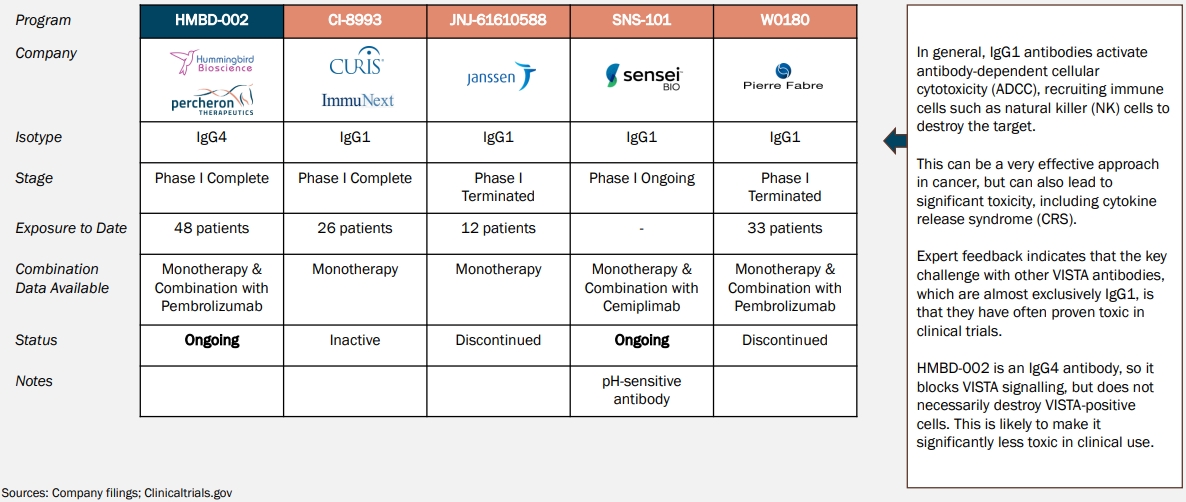
HMBD-002 is arguably the most advanced VISTA antibody in clinical development, and likely the only active member of the IgG4 class
Percheron’s antibody does not destroy VISTA-expressing cells — it modulates signalling, aiming for immune activation without the toxicity seen in early IgG1 programs.
Early signals suggest that approach may be paying off.
Phase I trial: Clean safety profile and encouraging disease stabilisation
HMBD-002 has already completed a 48-patient phase I dose-escalation trial in the United States under an active US Food and Drug Administration Investigational New Drug application. Patients in the trial were heavily pre-treated, with a median of four prior systemic therapies and, in many cases, disease progression after earlier checkpoint inhibitors.
Even in this late-stage population, the drug showed:
- A favourable safety profile, with only one treatment-related discontinuation and no cases of cytokine release syndrome — a common risk with IgG1 antibodies.
- Few severe adverse events, and no meaningful increase in toxicity when combined with pembrolizumab.
- Disease stabilisation in 28% of patients, including 30% of those who received HMBD-002 with pembrolizumab.
- Several instances of tumour shrinkage, including reductions of up to 27% in combination-therapy patients.
This pattern — stabilisation rather than early tumour shrinkage — is consistent with the first-phase readouts of many successful targeted and immunotherapy drugs. Cytostatic agents and immune-modulating antibodies often take longer to produce clear radiographic responses, and late-stage patients tend to show the most muted signals.
Even so, Percheron's study included outliers that hint at potential benefit. One patient with metastatic liposarcoma remained on treatment for more than a year, with tumour reduction of 17%. Others exhibited multi-month disease stability in cancers known to be fast-moving.
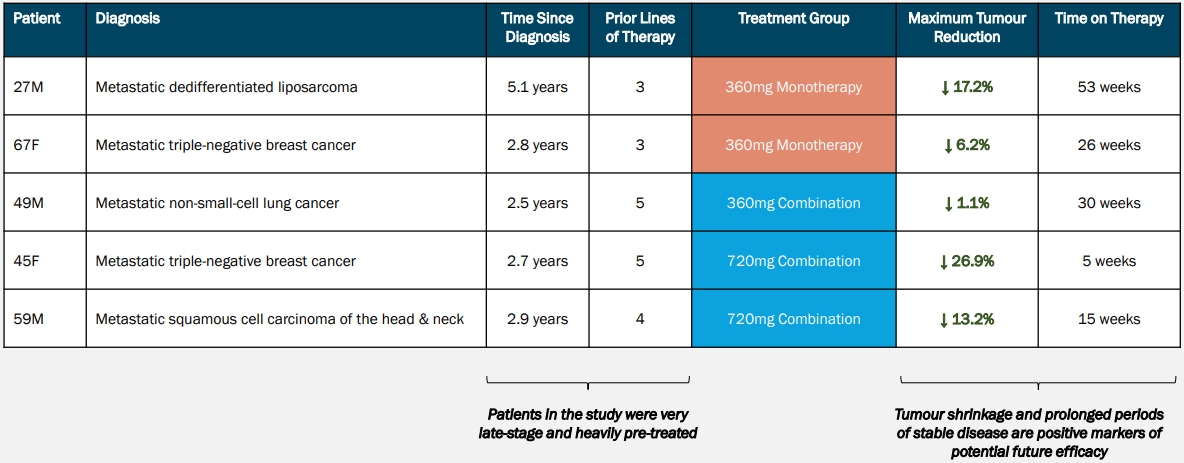
A number of patients in the study showed evidence of clinical benefit, providing a positive signal of potential future efficacy
For a first-in-human study, this is the type of dataset that justifies moving forward: clean safety, measurable biological activity, and no red flags that would inhibit combination or multi-arm development.
Why VISTA matters — and why the field is paying attention
VISTA sits at a key control point in the immune system. When tumour cells exploit this pathway, they effectively blunt early immune activation, making downstream checkpoint inhibitors far less effective.
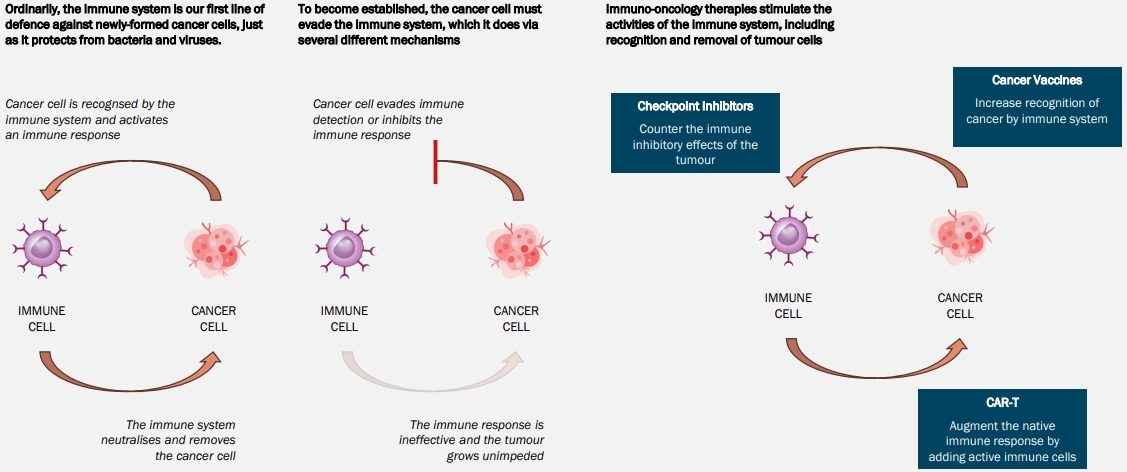
HMBD-002 establishes Percheron as an immuno-oncology company, one of the most exciting areas at the forefront of cancer drug development
The company highlights three compelling features of the VISTA landscape:
- High prevalence: VISTA is expressed across a wide range of cancers, including breast, lung, colorectal, ovarian, head and neck, and pancreatic tumours.
- Correlation with prognosis: higher VISTA expression is linked to worse survival outcomes.
- Association with resistance: in melanoma and pancreatic cancer, VISTA-high tumours often show poor responses to PD-1 inhibitors.
If blocking VISTA can lift the brake on early immune suppression, it may improve outcomes in cancers where PD-1 therapies underperform — exactly the cancers where Percheron is focusing its next trial.

Phase II strategy: Multiple arms, multiple shots on goal
Instead of a single-indication progression, Percheron is launching an adaptive, multi-arm phase II study in CY2026. This is a growing trend in oncology: running several tumour-specific cohorts in parallel, each with its own built-in decision gates.
The design aims to:
- Minimise binary risk by exploring several cancers simultaneously.
- Generate more frequent readouts, with block-based enrolment and interim analyses.
- Adapt to emerging data, allowing unpromising arms to be dropped and resources shifted to stronger signals.
- Support accelerated-approval discussions if one arm demonstrates early efficacy.
The company plans to start with one or two tumour types, then add others as capacity allows.
The priority candidates are four tumour types where VISTA biology, preclinical data and unmet need all align:
- Triple-negative breast cancer (TNBC) — an aggressive cancer with limited targeted options and modest benefits from pembrolizumab.
- EGFR-mutant non-small-cell lung cancer (NSCLC) — a major subset of lung cancer that responds poorly to PD-1 inhibitors.
- HER2-negative oesophageal adenocarcinoma — where standard immunotherapy shows limited durability.
- Endometrial cancer — the most common uterine cancer, with typical progression-free survival of only 6–11 months even on current checkpoint combinations.
Each exploratory arm will enrol around 20–30 patients. Only those showing sufficient early activity will “graduate” into a larger confirmatory stage.
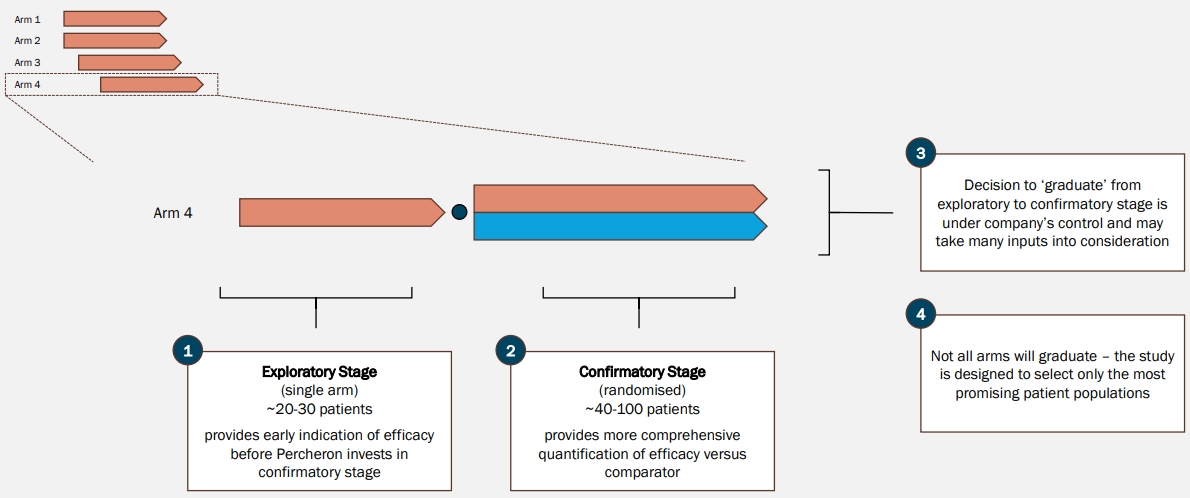
Each arm will potentially have two stages, allowing for an early read-out of activity before investing in confirmatory data
This structure balances ambition with financial reality. The estimated exploratory-stage cost of roughly US$3 million–3.5 million per arm is calibrated to Percheron’s size, while still enabling a competitive data package.
Positioning for partnerships in a high-value market
Immuno-oncology remains one of the most active dealmaking segments in biotech. Multi-hundred-million-dollar upfront deals for early-phase checkpoint inhibitors are not uncommon, and late-stage deals can exceed US$1 billion in upfronts and milestones.
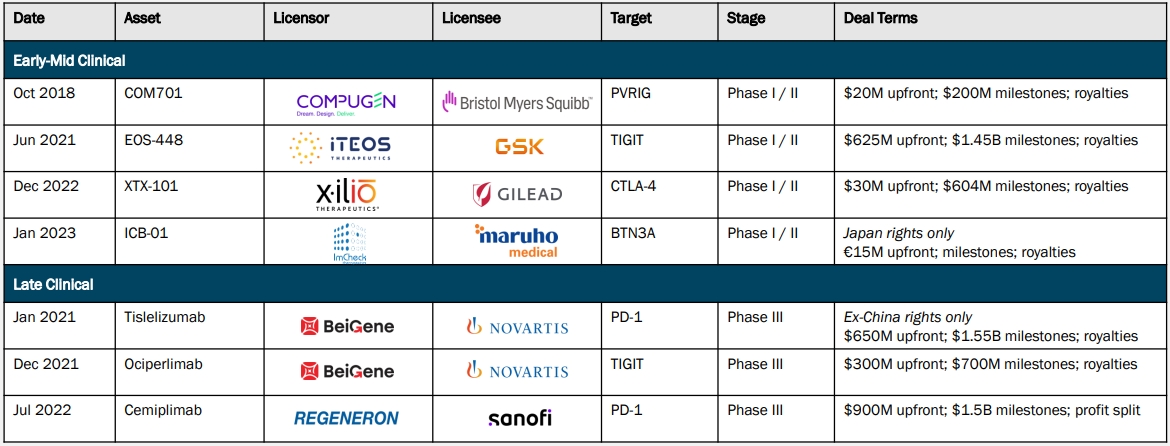
Successful immuno-oncology assets are highly partnerable, with comparable deals suggesting attractive valuations
Percheron’s market capitalisation — around A$10 million–11 million as of October 31, 2025 — is small compared with ASX-listed oncology peers. But its phase-ready program, clean safety profile, and first-in-class positioning may bring it into view for larger players once phase II data begins to emerge.
.jpeg)
Percheron is competitively valued in comparison to peer ASX-listed companies (Source: ASX; company filings)
The commercial potential, if one indication succeeds, is substantial. Conservative modelling pegs the global market opportunity at:
- US$9 billion for TNBC
- US$2.4 billion for EGFR-mutant NSCLC
- US$1.6 billion for HER2-negative oesophageal cancer
- US$1.6 billion for endometrial cancer
Just one successful cohort could support a commercially viable product.
An ultra-lean operating model working to extend runway
Percheron operates with a strikingly lean structure. The majority of its quarterly cash outflows are allocated directly to R&D, and the company reported A$5.7 million in cash and four quarters of runway as of October 31, 2025.
That runway, paired with staged trial enrolment and the potential for government incentives, enables the company to make measurable clinical progress while keeping burn rates controlled.
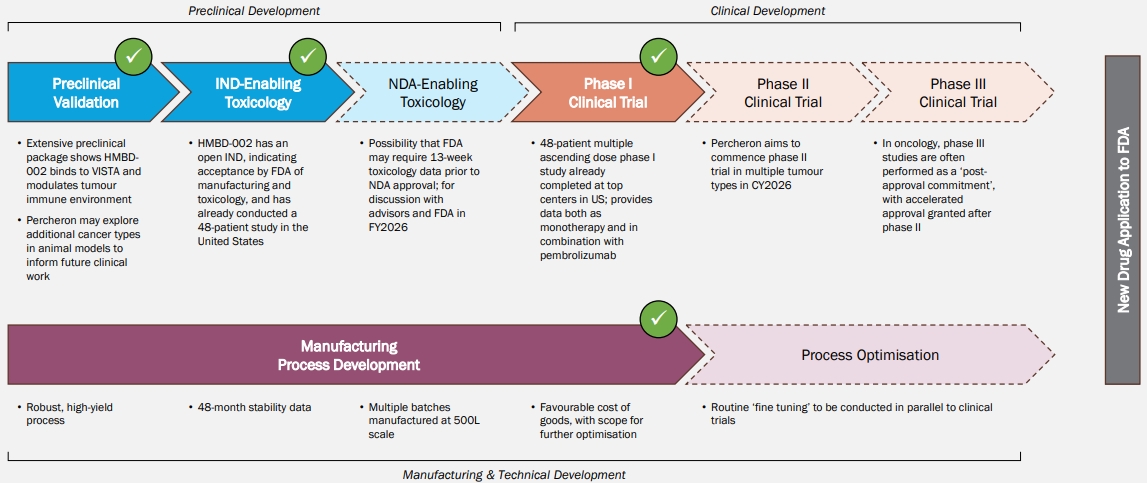
HMBD-002 is well-advanced in clinical development, with a clear path towards commercialisation
The next inflection points
From here, the company is preparing for:
- finalisation of phase II design and site selection
- manufacturing of new clinical-grade HMBD-002 batches
- potential applications for orphan drug designation and international naming
- first-patient-in during mid-2026
- initial phase II readouts in late 2026 or early 2027
Those milestones set the stage for a steady news cadence over the next 24 months — and, if successful, potentially the beginning of partnership discussions with major pharmaceutical companies.
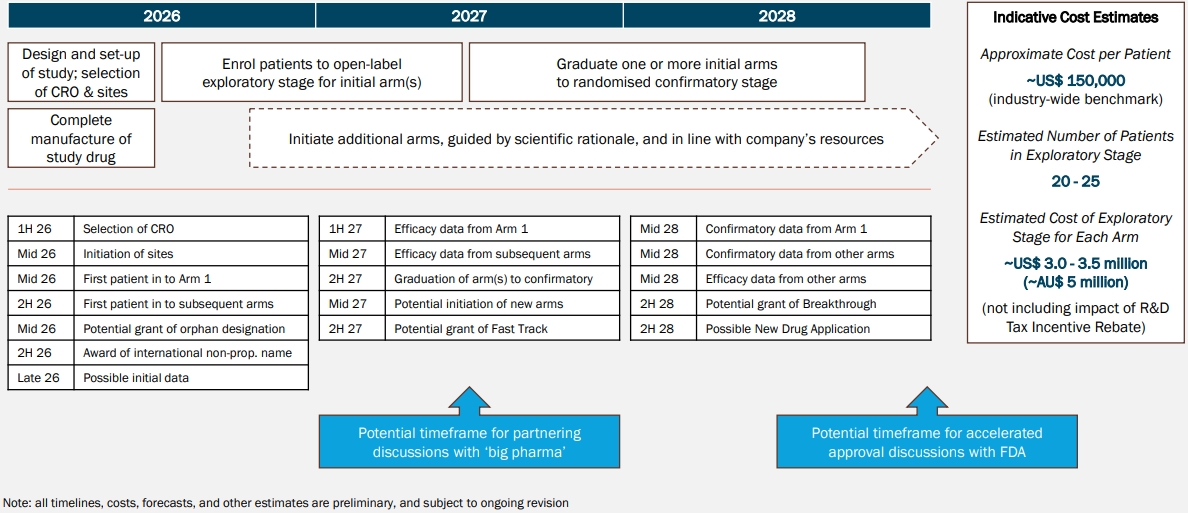
The plan provides the potential for significant news flow from CY2026 onwards
Percheron’s story fits squarely within one of the biggest questions in cancer drug development today: how to turn immunotherapy non-responders into responders. By targeting an upstream immune regulator with a differentiated antibody platform, the company is trying to address a problem that has challenged even the sector’s largest players.
For investors watching the next wave of immuno-oncology innovation, HMBD-002 may be one of the ASX’s more interesting early-stage contenders.