
Control Bionics Ltd (ASX:CBL) earlier this week discussed its integration of Apple’s Brain-Computer Interface Human Interface Device (BCI HID) protocol into its assistive technology products.
The company told Proactive that it has been using surface electromyography (EMG) technology for two decades. This system detects electrical signals generated by muscle movement and allows individuals to interact with digital environments through those signals.
The integration allows its technology to be used within Apple’s iOS ecosystem, which enables users to control Apple devices using physiological signals from their bodies. The company explained this could include tasks like navigating apps, playing games, or adjusting settings using muscle strength.
Chief executive officer Jeremy Steele said the technology “gives individuals an ability to understand the strength of the signal from their muscle and how that's represented inside an Apple product.”
The company highlighted that it is one of only three organisations globally with access to Apple’s BCI HID protocol. It is now in discussions with multiple distribution partners who already sell Apple-based devices.
Control Bionics said the applications of the technology range from voice support for people with communication difficulties to third-party developers building new apps based on physiological input. It added that the integration could open international growth opportunities.
Steele said, “It’s a wonderful way in which your body can really drive and control technology.”
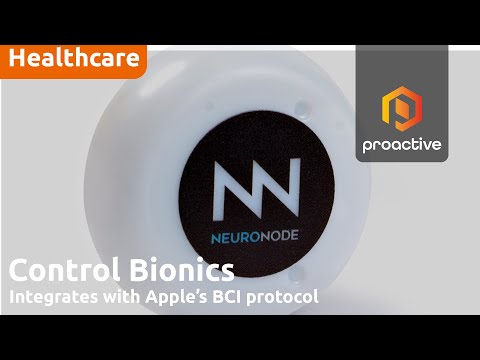
Proactive: Control Bionics has integrated Apple’s new Brain-Computer Interface, Human Interface Device protocol, into some of its product lines. What does all of this really mean? All the details are with the company’s CEO Jeremy Steele, joining me now live out of Melbourne. Jeremy, welcome to Proactive. How are you?
Jeremy Steele: Yeah, good, thank you. Thanks for having me.
Proactive: It's great to have you on board, Jeremy. Let's start with the essentials. This was a big story, but can you perhaps introduce Control Bionics to the Proactive audience and give us a glimpse of what your core products really offer?
Jeremy Steele: Of course. So Control Bionics—we’re an ASX-listed company, listed at the end of 2020—and we’ve been utilising surface electromyography, or EMG, for 20 years now. I would consider us one of the world leaders in the use of this technology, which identifies, detects, measures, and analyses the electrical activity that occurs in your muscles when your body moves. So whether you're moving voluntarily or involuntarily, you're creating electrical signals inside your body, and our devices detect and measure those.
Proactive: And so your integration with Apple’s iOS system was quite an eye-opener for investors. Jeremy, the market reacted really well to the story. What will this integration or partnership with Apple entail? How will it look on the ground?
Jeremy Steele: Yeah. So, for individuals who are used to using an Apple device and operating inside the iOS system, what this does is effectively bring our technology into the Apple framework. To think about it practically, it allows you to control Apple technology through physiological signals from your body. It gives individuals the ability to understand the strength of the signal from their muscle and how that's represented inside an Apple product. So, for example, if you're playing a video card game or driving, you could use your muscles to accelerate or decelerate. You're actually able to see the strength of your intentional movement represented inside the Apple products, instead of through a separate standalone device.
Proactive: It's quite an achievement, Jeremy. And you've got thousands of active users worldwide already using this technology. We've seen one of the remarkable comments made by one of your users to the ASX yesterday. How will this partnership or integration with Apple propel you forward, both locally here in Australia and on the international scene?
Jeremy Steele: Yeah. We’re one of only three companies globally that already have access to this. We have thousands of customers, as you pointed out. I think it's a great opportunity for this really innovative Australian technology to be taken to the world. We’re in discussions now with multiple distribution partners who are already using or selling Apple-based devices to their customers. There's now an opportunity for them to integrate our technology with Apple’s brain-computer interface protocol.
This could be for individuals who have compromised voice—being able to speak more intuitively and efficiently—or for third parties who want to develop new, innovative games or products based on the Apple environment but using this protocol to allow physiological signals to control technology. It’s a little bit sci-fi where it could go, but it’s a wonderful way for your body to really drive and control technology.
Proactive: And it will definitely keep helping thousands of users who will benefit from this technology. Jeremy, in the weeks to come, we’ll look forward to having more updates from you as more developments roll out. This was Control Bionics CEO Jeremy Steele live out of Melbourne. Thank you so much.
Jeremy Steele: Thank you.