Far East Gold Ltd (ASX:FEG) delivered a high-intensity quarter of exploration at the Idenburg Project in Indonesia, advancing drilling, surface sampling and structural targeting that together expanded known mineralised systems and generated a new discovery. Work focused on the Bermol prospect and the newly defined North Bermol area, supported by project-wide structural interpretation and key regulatory progress.
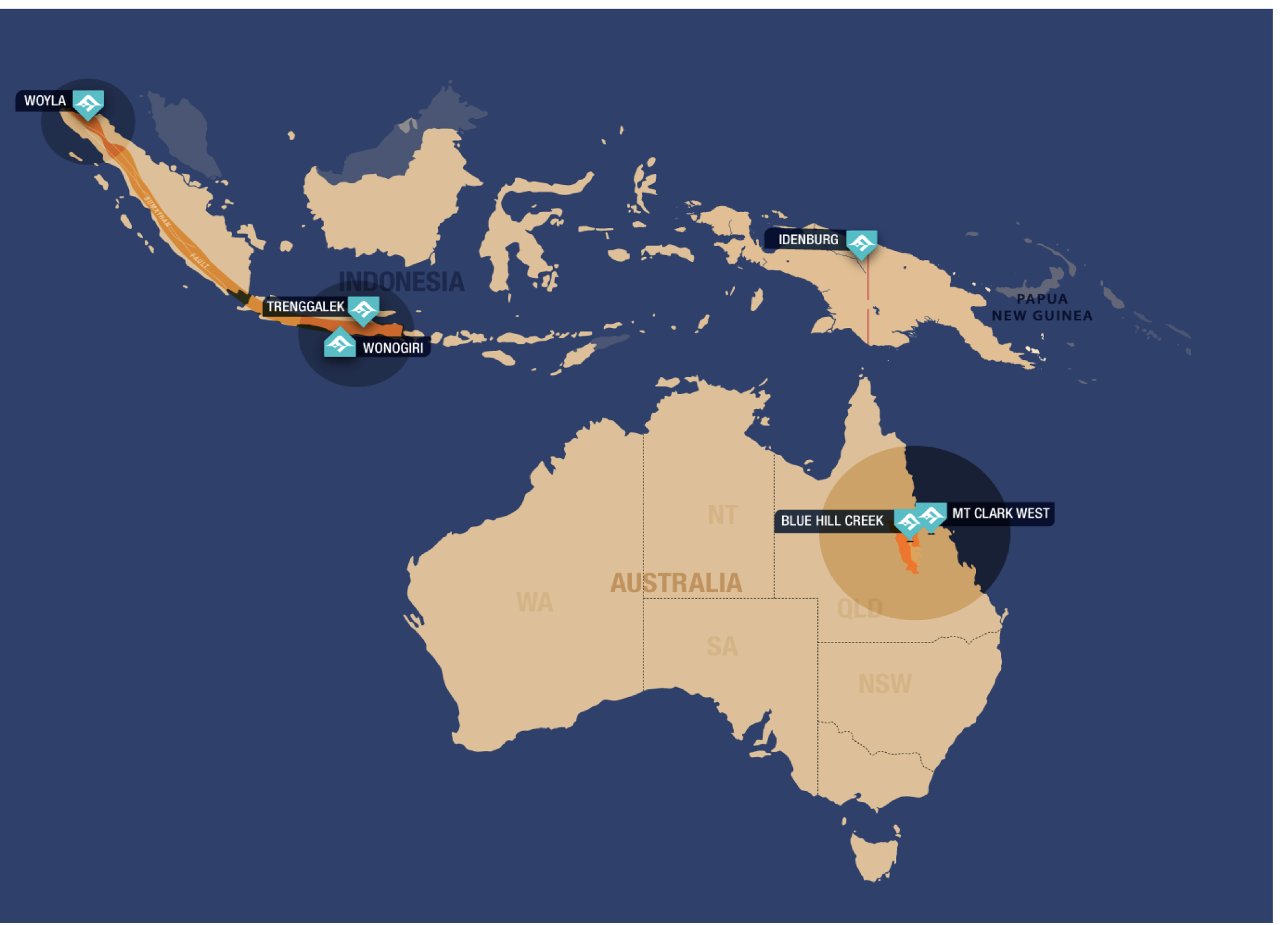
“This has been one of the most productive and strategically important quarters for Far East Gold since our inception,” managing director and CEO Shane Menere said.
“Our team has worked relentlessly across multiple fronts advancing mapping, sampling, permitting, and drilling programs, to unlock the significant potential within our Indonesian gold portfolio.
“At Idenburg, we have been deeply engaged in drilling across three key prospect areas, with work confirming the scale and continuity of gold-bearing structures at Bermol and exciting new high-grade results emerging from North Bermol. Preparations are also well advanced to commence drilling at the Kwaplu high-grade zone, while assays remain pending from the known high-grade Sua prospect, both of which have the potential to deliver further material growth for the company.
“The granting of the 9,000-hectare PIPPIB reclassification was another major milestone, providing regulatory certainty and allowing us to accelerate exploration and development activities across our broader Idenburg tenure.
"In parallel, we are advancing toward drilling commencement at Mount Clark West in Queensland and finalising preparations for near-term drilling at the Trenggalek Copper-Gold Project in East Java.
“We continue to engage with several Indonesian and multinational groups who have expressed strong interest in partnering with Far East Gold as we move toward the next phase of growth. These discussions underscore the quality of our assets and the credibility of the exploration foundation we’ve built.
“With multiple drill programs now active or imminent, and a steady stream of assay results expected over the coming months, we are entering a period of consistent news flow and value creation. The groundwork has been laid — and we are now delivering tangible results for our shareholders as we advance toward a new era of discovery and development.”
Bermol drilling extends mineralisation at depth
FEG completed 10 reverse-circulation/core holes (BRD008–017) for 1,169.6 metres, testing approximately 650 metres of strike along the Bermol fault/shear zone. The program confirmed gold-mineralised shear zones and quartz veins beneath previously reported mineralised horizons, highlighting potential to grow the system south of the current Bermol footprint.
Notable intercepts included BRD011 with 4.7 metres at 2.26 g/t Au from 92.4 metres (including 1.7 metres at 3.97 g/t Au), and a second zone of 4.0 metres at 2.75 g/t Au from 160 metres (including 1.5 metres at 6.05 g/t Au and 0.5 metres at 11.02 g/t Au). Additional results comprised BRD008 returning 5.2 metres at 1.67 g/t Au (including 0.5 metres at 8.72 g/t Au and 0.5 metres at 5.41 g/t Au) and BRD010 with 2.0 metres at 3.17 g/t Au from 46.9 metres (including 0.9 metres at 6.58 g/t Au). These intersections demonstrate continuity of grade within the shear-vein network and provide a platform for follow-up step-outs and potential resource definition drilling.
New discovery at North Bermol
Subsequent to quarter-end, on October 28, 2025, the company announced a new discovery at the North Bermol prospect, located ~1.5 kilometres northwest of Bermol within the broader Idenburg structural corridor. Surface sampling delineated previously unrecognised deformation zones hosting quartz–sulphide veining with assays up to 53 g/t Au, opening a second mineralised trend for systematic drill testing.
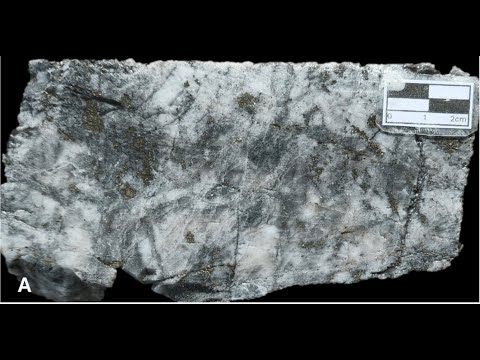
A 17-hole scout program commenced during the quarter. Assays have been received for five of 12 holes drilled to date, with early results confirming high-grade tenor. Highlights include BND003 with 2.6 metres at 3.9 g/t Au from 11.3 metres (including 0.5 metres at 15.0 g/t Au from 12.4 metres); BND004 with 5.0 metres at 4.9 g/t Au from 23.5 metres (including 1.6 metres at 12.8 g/t Au from 24.8 metres); and BND005 with 2.8 metres at 8.4 g/t Au from 32.0 metres (including 1.6 metres at 12.3 g/t Au from 33.2 metres). These results establish North Bermol as a parallel discovery hub with potential to materially expand the Idenburg gold inventory.
Target pipeline expanded by structural interpretation
A comprehensive structural study by Murphy Geological Services identified 14 new high-priority targets across the Idenburg Project. Field verification during the quarter confirmed multiple zones for follow-up, significantly broadening the near-term discovery pipeline beyond Bermol and North Bermol. This systematic targeting framework will guide drill allocation in upcoming campaigns.
Regulatory milestone — PIPPIB reclassification
Project de-risking advanced with approval of 8,950.28 hectares of PIPPIB forestry reclassification, providing greater regulatory certainty for ongoing exploration and future development activities across Idenburg.
Outlook
The December quarter work plan prioritises:
- (i) step-out and infill drilling at Bermol to test southern extensions and improve geological continuity;
- (ii) continued scout and pattern drilling at North Bermol to define strike and depth extents of high-grade shoots;
- (iii) staged testing of the newly ranked structural targets; and
- (iv) continued engagement on permitting to maintain execution momentum.
Together, these programs are designed to convert emerging targets into defined mineralised zones while advancing Idenburg toward resource-level evaluation.