
This week, Biotronik unveiled Solia CSP S, billed as the first pacing lead globally to combine a fixed-screw design with a stylet-driven implantation approach in the burgeoning field of Conduction System Pacing (CSP). The launch marks a notable move towards simplifying CSP procedures — leveraging surgical ergonomics and precision to make this physiologic pacing strategy more accessible.
What’s new?
Solia CSP S merges two traditionally competing design philosophies. Its fixed-screw end reduces prep time and avoids the cumbersomeness of screw-deployment variants, while the stylet-driven architecture offers shape and steerability, plus continuous electrical feedback during implantation.
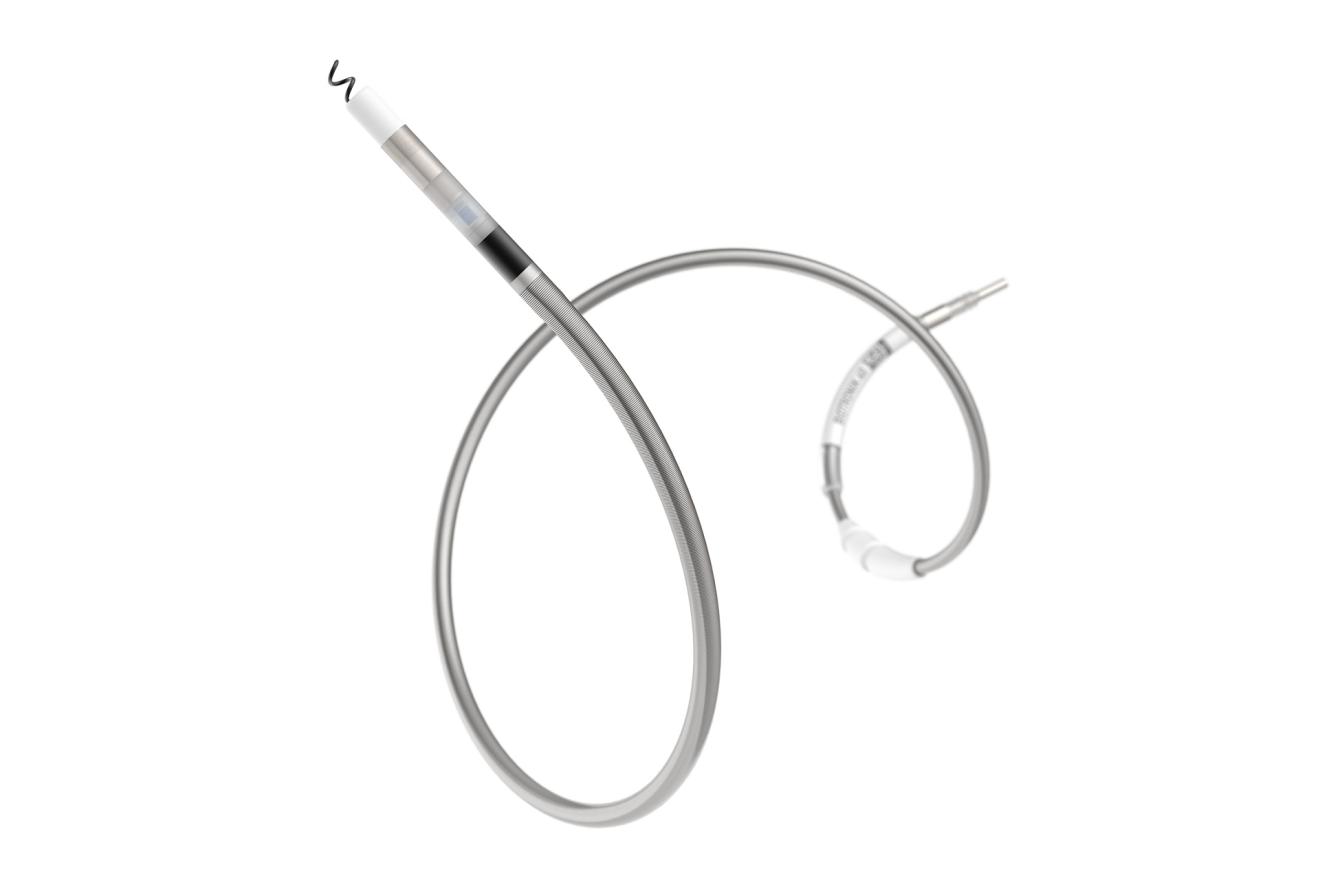
Biotronik's Solia CSP S (Source: Biotronik).
The first commercial implants were successfully performed in Spain by Dr Óscar Cano at the University and Polytechnic La Fe Hospital in Valencia, who reported cleaner septal wall alignment, shorter procedures, and minimal fluoroscopy — suggesting real on-table efficiency gains.
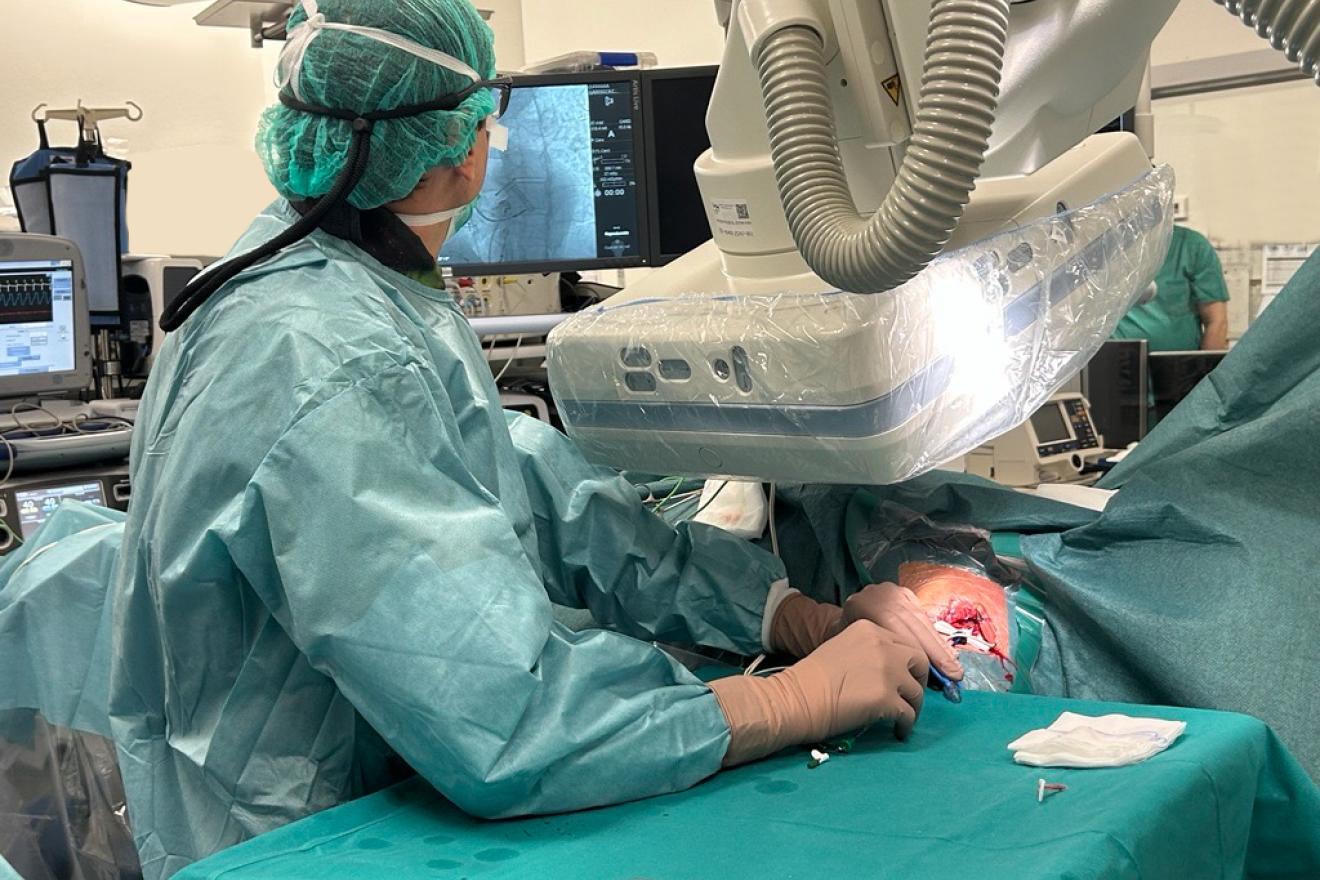
Solia CSP S implantation (Source: Biotronik).
Engineering tweaks go further: the screw is lengthened for easier penetration, the distal end optimised for durability and tactile control, and the overall design engineered for single-operator use. Biotronik frames this as a critical step in making CSP — especially Left Bundle Branch Area Pacing (LBBAP) — more routine and reproducible, offering both physicians and patients the promise of “more natural” cardiac pacing.
CSP: The rising standard in rhythm management
Traditional right ventricular pacing, especially from the apex, has long been recognised as non-physiologic — sometimes triggering dyssynchronous contraction, heart failure, or atrial fibrillation over the long run.
CSP, by contrast, paces via the heart’s intrinsic conduction pathways (like the left bundle branch), preserving coordinated contraction and improving outcomes. LBBAP in particular has rapidly gained traction as a preferred method.
Players in cardiac rhythm management have raced to support this evolution. Biotronik’s existing CSP ecosystem — comprising Selectra 3D catheters, Solia S leads, and Amvia pacemakers — has already earned CE approval in the EU and US Food and Drug Administration approval for LBBAP, with the catheter/lead combination recently becoming the only stylet-driven system cleared in the US. Performance data from the BIO-CONDUCT trial showed a 95.7 % implant success rate and just 1.7 % lead-related complications at three months.
Why Biotronik’s move matters — and where the field is headed
Biotronik’s Solia CSP S highlights an important step towards greater scalability. One of CSP’s friction points has been procedural complexity and longer learning curves. By tackling both “prep headache” (fixed screw) and intra-procedure adaptability (stylet drive), the new lead addresses two practical surgeon pain-points at once.
With aging populations and rising global demand for pacing — but constrained healthcare budgets and staffing — solutions that streamline workflows without sacrificing outcomes are especially valuable. Less fluoroscopy, faster deployments, and simpler handling could open CSP to operators who might otherwise default to traditional pacing.
Nonetheless, CSP remains technically demanding; real-world adoption will depend on training, reimbursement structures, longer-term durability data, and head-to-head comparisons with conventional cardiac resynchronisation therapy. Biotronik is gearing for these challenges — the near-term commercial launch is paired with ongoing clinical trials (for example, BIO-Master.CSP and BIO-CONDUCT arms).
The bigger picture
Biotronik’s Solia CSP S launch reflects biotech’s shift towards tools that align with clinicians’ workflow realities — driving adoption through intelligent design, not just lofty outcomes.
CSP is maturing from niche finesse to a rising standard in cardiac rhythm management. The sooner engineering starts meeting that reality in the cath lab, the faster patients and healthcare systems alike will win.