
Sovereign Metals Ltd (ASX:SVM, OTC:SVMLF, AIM:SVML) has reported outstanding results from its first year of rehabilitation trials at the Kasiya Rutile-Graphite Project in Malawi, with crop yields five times higher than the regional average.
The 10-hectare pilot program produced maize yields of 5.2 tonnes per hectare compared with the local average of 1 tonne, validating the company’s progressive mining and rehabilitation model and delivering critical data for its ongoing Definitive Feasibility Study (DFS).
Boost for DFS and ESG credentials
The trials de-risk one of the project’s most important components — land rehabilitation — by demonstrating that post-mining land can become even more productive than before. Sovereign says the data will be fully integrated into the Kasiya DFS, covering backfilling, mine closure planning and post-mining land use.
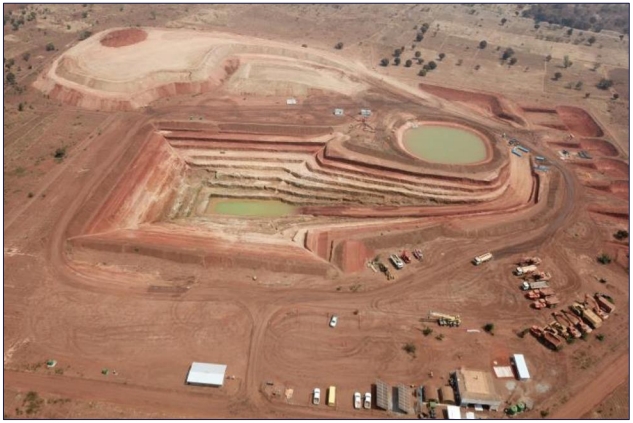
Test pit site during the mining trials (September 2024).
The program also reinforces Sovereign’s environmental, social and governance (ESG) credentials, with the rehabilitation model supporting both sustainable farming and long-term carbon sequestration opportunities through bamboo planting and biochar use.
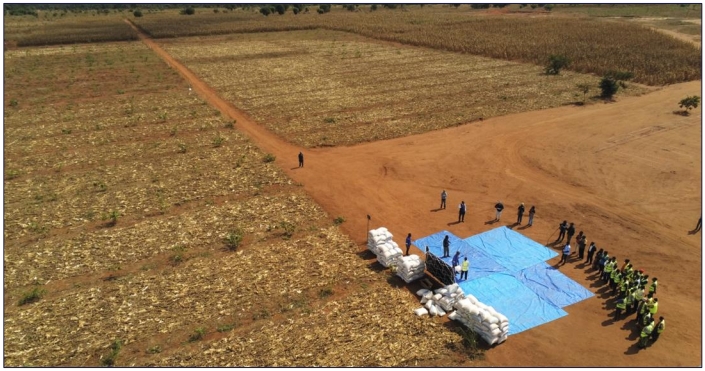
Harvest celebration at the rehabilitated Kasiya test pit (June 2025).
“These outstanding rehabilitation results represent another critical milestone in our systematic approach to developing Kasiya into a Tier 1, low carbon, sustainable operation,” Sovereign CEO Frank Eagar said.
“The empirical data from these trials directly informs our DFS rehabilitation strategy, further de-risking the project while demonstrating exceptional ESG credentials,” he added. “With oversight from the joint SVM–Rio Technical Committee, we continue to advance the genuine Tier 1 Kasiya Project.”
Community partnership at the core
Sovereign partnered with 28 local farmers on the pilot, deliberately favouring local labour over mechanisation to maximise community benefits. The company leased the land for two years, remediated soils and planted bamboo, maize and legumes, with the land to be returned to the farmers after the 2025–26 harvest.
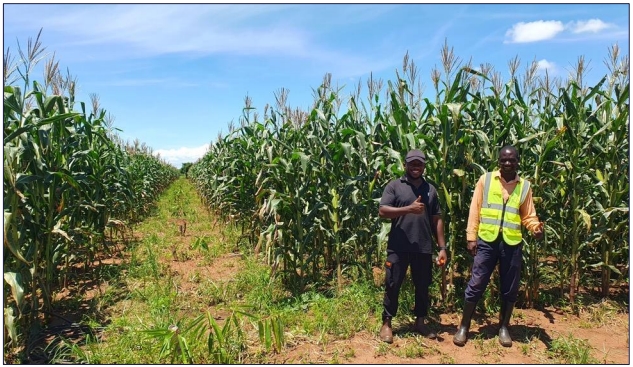
Close-up of the healthy crops (May 2025).
Environmental manager Marco Da Cunha said the program demonstrated how rehabilitated mine land could continue to support livelihoods long after mining ends.
“We partnered with local farmers where we successfully tested several rehabilitation options to develop a model for agronomic-driven soil rehabilitation to be adopted by Sovereign during mining,” he said. “Sovereign is fully committed to rehabilitating all disturbed land so it can be used for sustainable agricultural activities well beyond the mine life.”
Part of broader Kasiya progress
The rehabilitation success builds on Sovereign’s recent updates across the Tier 1 project. This month, the company finalised mining fleet designs for the DFS, and in July, it confirmed key progress on the study itself alongside a graphite breakthrough in processing.
Read more: Sovereign Metals finalises mining fleet design for Kasiya DFS
Sovereign’s agricultural initiatives highlight the company’s focus on community partnership, sustainable development and long-term land productivity — factors it says are central to unlocking Kasiya’s potential as one of the world’s largest undeveloped rutile-graphite deposits.