
In part 1 of this edition of Samso Insight, Noel Ong compiled a comprehensive picture of the bauxite sector to give investors a current and informed perspective, while cutting through the noise that has been circulating in mainstream media.
As the opening part of this series, it set the stage for a deeper dive into the broader bauxite narrative. This is an intensive analysis, requiring readers to approach it with patience as we establish a strong contextual foundation. There are compelling reasons to start paying closer attention to what could become a significant value-creating sector for ASX investors.
In part 2 of this feature, Noel drills down into ASX bauxite investment landscape.
Highlights of major Australian bauxite resources
Australia’s major deposits include:
- Weipa (Queensland): Among the world’s largest, with decades of high-grade production by Rio Tinto.
- Darling Range (Western Australia): World-class deposits, host to Alcoa and South32 operations, and Western Yilgarn’s Bauxite Project.
- Gove (Northern Territory): Managed historically by Rio Tinto, now under rehabilitation.
- New players: Smaller companies like Australian Bauxite Ltd and Western Yilgarn Ltd (ASX: WYX) are exploring niche, high-grade, or value-added opportunities (e.g. rare earths in bauxite residue).
Key bauxite companies investors should be looking for on the ASX
As we look at the small end of the ASX market, there are only a few companies that stand out. In fact, there are only seven companies that cross my mind that are worth discussing. Table 1 below lists the companies and their respective projects and resources. The leader of the pack is Canyon Resources Limited, followed by Metro Mining Limited in terms of resource size and the low SiO₂ levels.
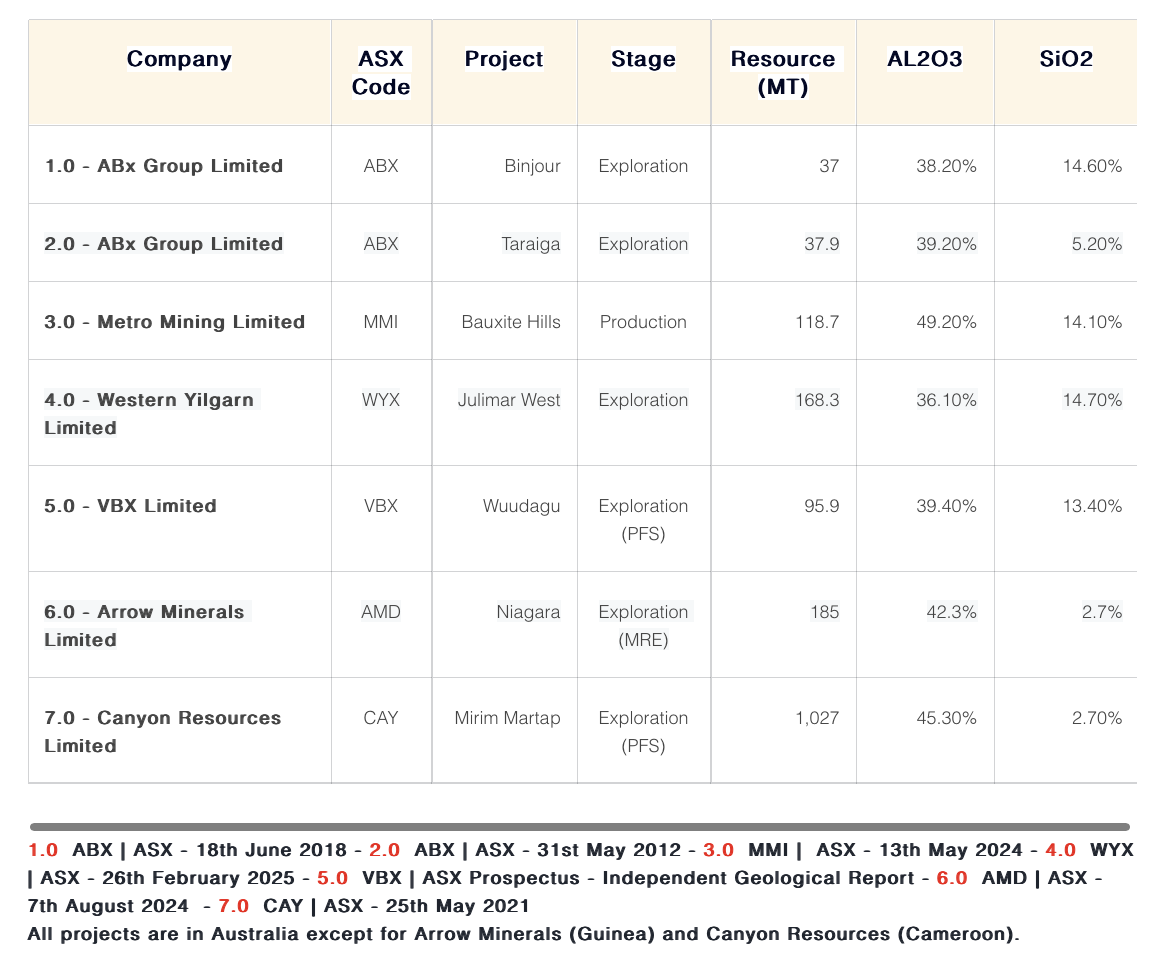
Table 1: A list of companies in the ASX small-cap sector that have a notable resource. This is adapted from a table from a presentation by the ABX Group dated April 30, 2025.
Metro Mining – Bauxite Hills Mine (Cape York, Queensland)
Check out: The Best Small-Cap Bauxite Companies on the ASX
Metro Mining Ltd (ASX:MMI, OTC:MMILF) operates its flagship Bauxite Hills Mine across the Bauxite Hills and Skardon River tenements, located approximately 95 km north of Weipa on Queensland’s Cape York Peninsula.
As of December 31, 2024, the project boasts a JORC-compliant resource of 114.4 million tonnes, with proven and probable reserves totalling 77.7 million tonnes. The deposit is considered high-grade, averaging 49.8% available alumina (Al₂O₃) and 13.3% reactive silica (SiO₂)—well suited for low-temperature refining. The geological model adopts conservative cutoff grades of ≥45% Al₂O₃ and ≤15% SiO₂, supporting a robust classification of the mineable ore.
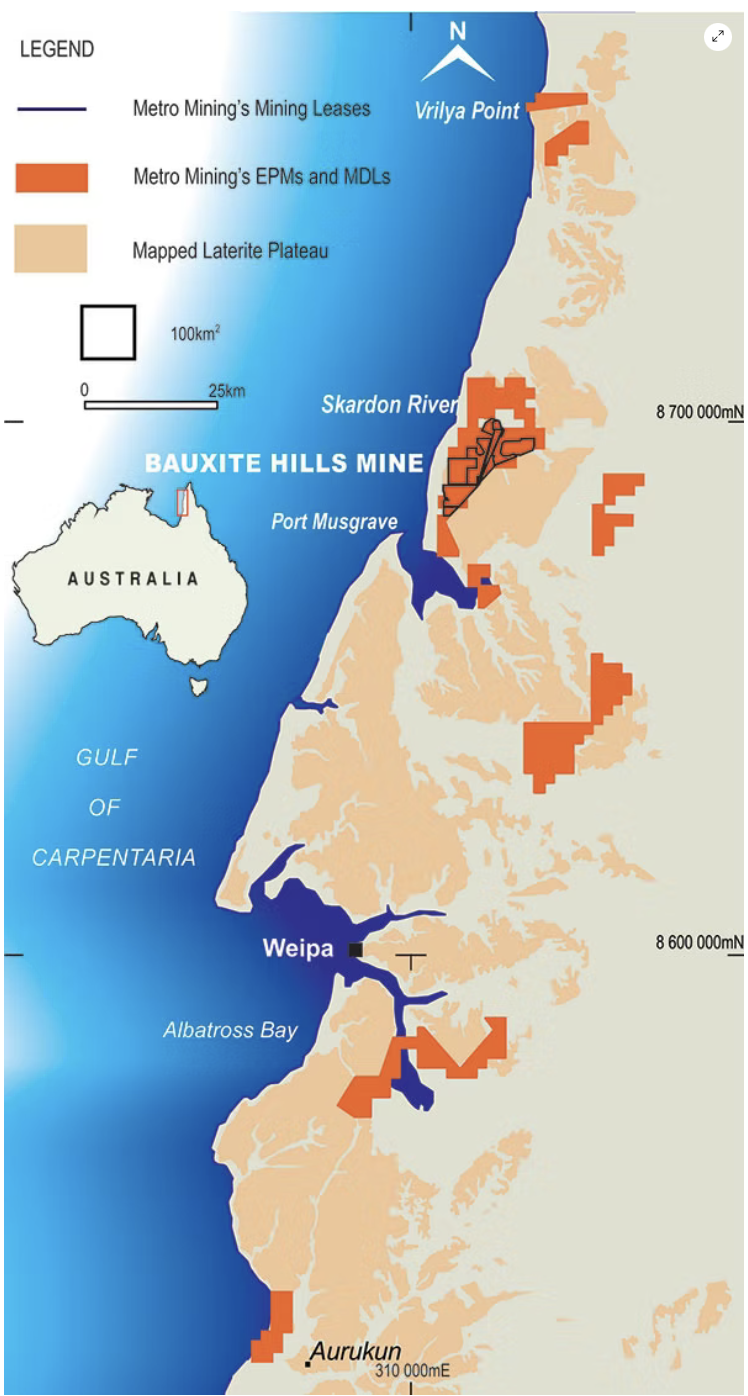
Metro’s flagship project is the Bauxite Hills Mine (Mine), which is a single operating mine located 95 kilometres (km) north of Weipa in Western Cape York in Far North Queensland, with a total tenement package covering approximately 825km2. (source: Metro Mining).
Mining at Bauxite Hills is conducted via free-dig methods with no requirement for beneficiation, relying instead on simple screening. Production capacity was recently upgraded to 7 million tonnes per annum (Mtpa), with potential for expansion to 8 Mtpa through planned debottlenecking. A notable infrastructure upgrade includes the deployment of the Ikamba floating loading terminal, capable of handling vessel loads exceeding 9 Mtpa, which has enhanced logistics efficiency and reduced freight costs.
As of Q3 2025, shipment pricing remains in line with seasonal benchmarks, and the company anticipates sustained strong Free-On-Board (FOB) revenue through the remainder of the year.
Australian Bauxite Limited (ASX: ABx) – building a multi-state resource footprint
Australian Bauxite Limited (ASX: ABx) maintains a strategic portfolio of approximately 37 tenements spanning across Tasmania, Queensland, and New South Wales. The company’s exploration and development efforts are centred on several promising deposits, including Campbell Town and Bald Hill in Tasmania, Binjour in Queensland, and Inverell, Guyra, and Taralga in New South Wales. This diverse geographic exposure has enabled ABx to gradually define one of the most accessible and flexible bauxite resource bases in Eastern Australia.
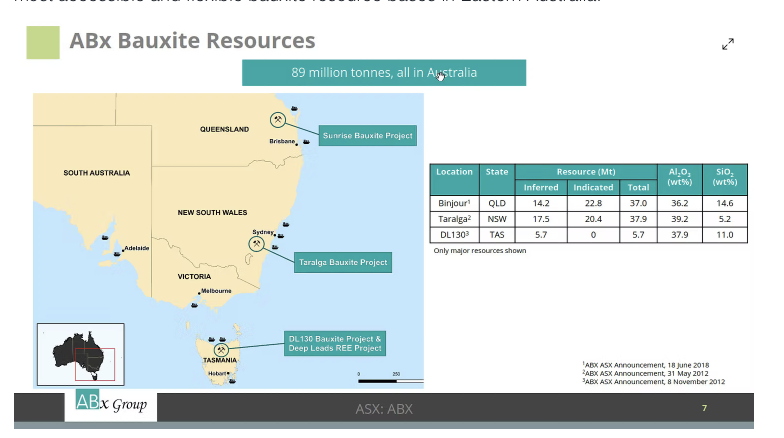
Location of ABx Group Bauxite projects. (source Abx Group).
The company’s bauxite is predominantly composed of high-grade gibbsite trihydrate, characterised by low levels of contaminants and well-suited for low-temperature alumina refining. ABx’s deposits typically exhibit a thickness of 3.5 to 9 metres, with consistent mineralisation across the profile. The alumina-to-silica (A/S) ratio, a critical quality metric in bauxite processing, ranks favourably, placing ABx’s material in the “good to excellent” category based on industry benchmarks.
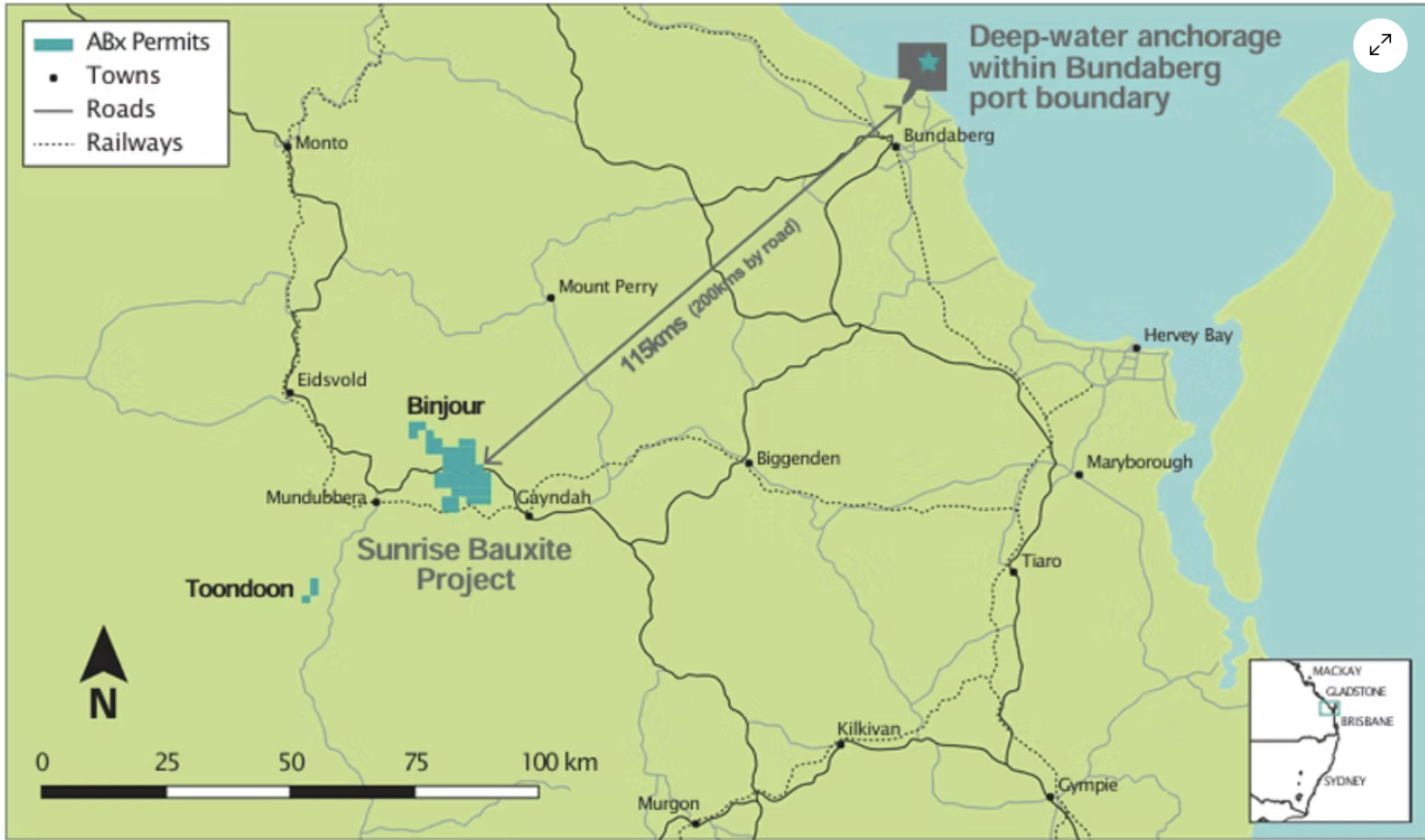
Location of Sunrise Bauxite Project at Binjour, QLD. (source: Abx Group).
The Bald Hill project in Tasmania marked ABx’s transition into production, with its first shipment completed in Q3 2015. Since then, the company has maintained a strong focus on infill drilling and regional exploration across the broader Eastern Australian Bauxite Province. Efforts are also underway to optimise product specification across multiple production hubs, including potential processing centres at Campbell Town and Portside, aiming to enhance grade consistency and meet a broader spectrum of end-user requirements.
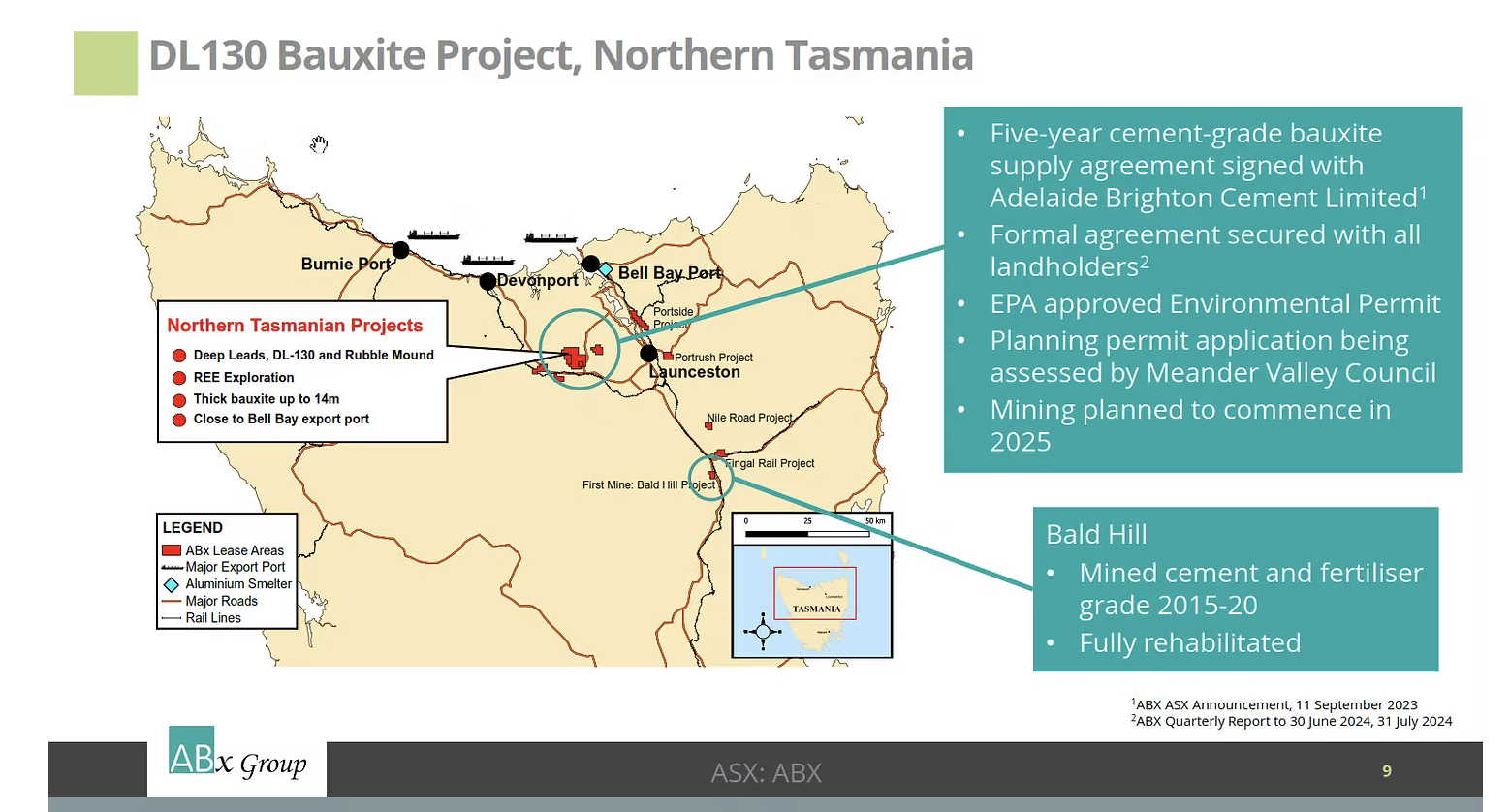
Location of ABx Group Tasmanian bauxite projects. (source: Abx Group).
Western Yilgarn Limited – A rising bauxite developer? (Source: Western Yilgarn Limited)
The below map is a detailed map showing existing Alcoa/Worsley leases in the Darling Range region, with clear indications of potential expansion zones, helping readers visualise the geographical layout where Western Yilgarn operates.
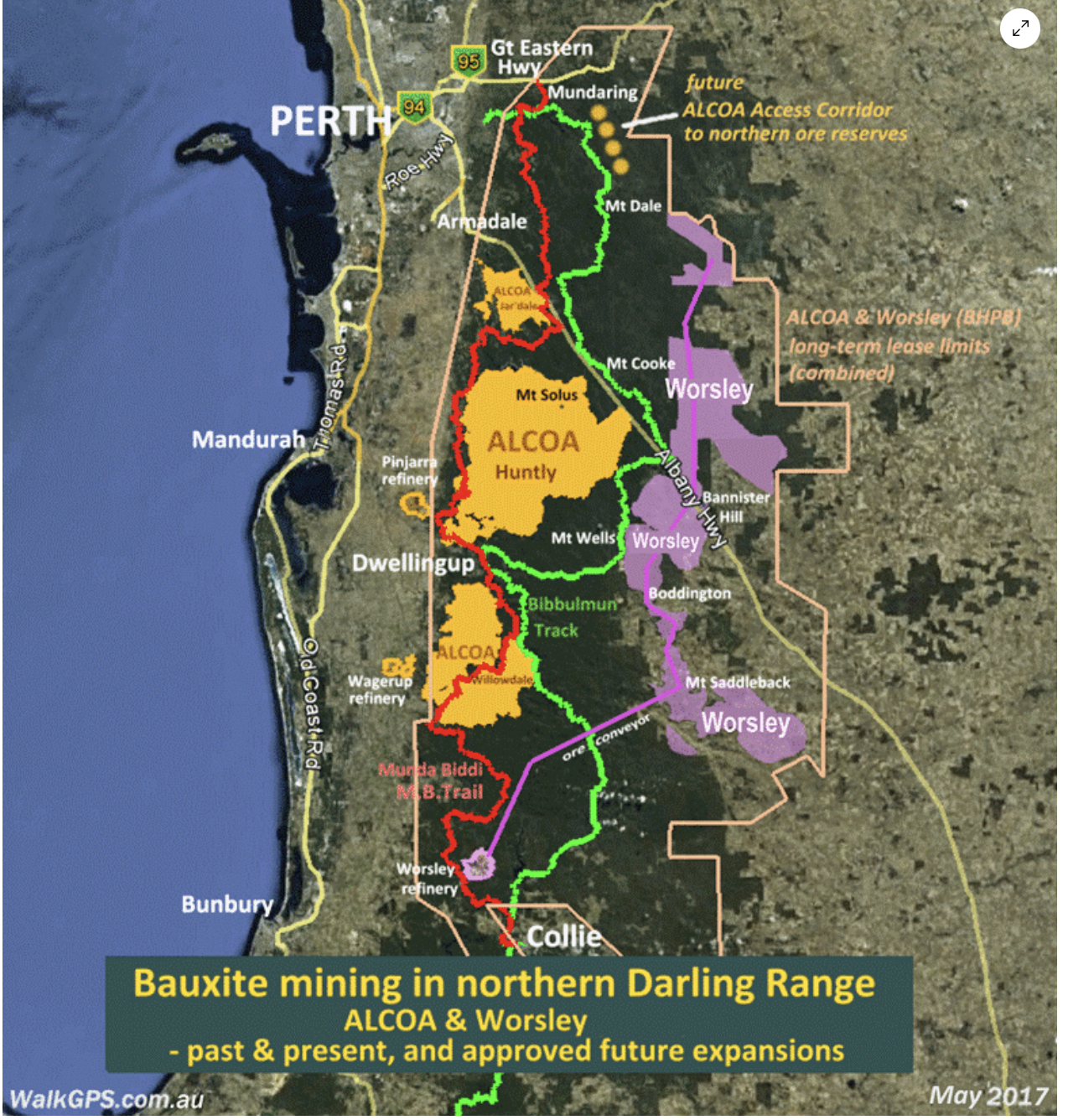
Map illustrating mining tenements and surrounding conservation zones in the Darling Range, indicating the spatial context of Western Yilgarn’s projects. (source: walkgps).
Julimar West: high-grade, shallow, and strategically located
Julimar West's mineralisation is shallow, occurring from surface to approximately eight metres depth across seven distinct zones. The project benefits from its proximity to established transport infrastructure, including rail corridors and ports such as Fremantle, Kwinana, and Bunbury.
This logistical advantage enhances its potential as a Direct Shipping Ore (DSO) operation, allowing quicker market access and reduced capital requirements. Metallurgical testing has confirmed that the ore is gibbsite-dominant, making it particularly amenable to low-temperature refining, which is less energy-intensive and more environmentally sustainable.
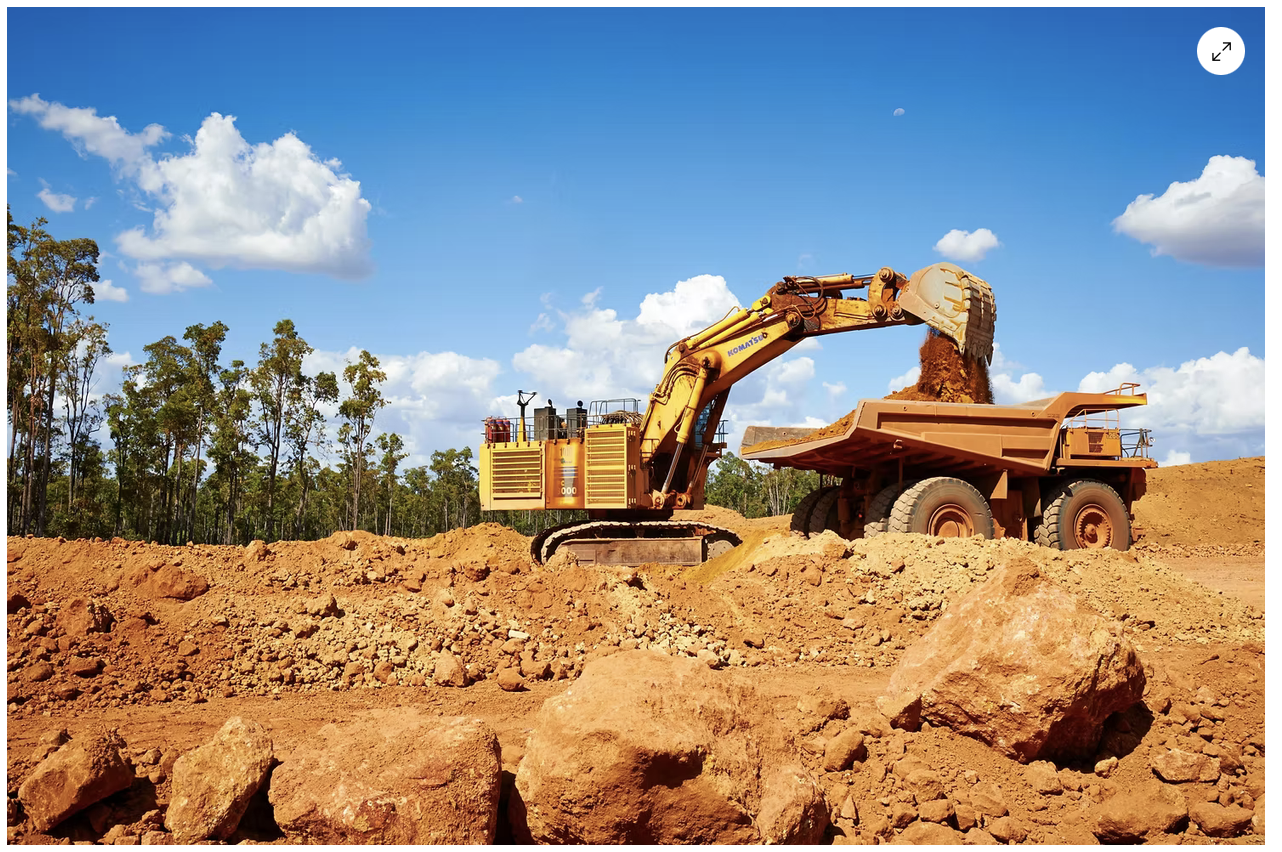
Mining operations in Western Australia showing active excavation of bauxite using modern heavy machinery, as it typically mines the shallow nature of bauxite. (source: https://www.alcircle.com/).
This backdrop provides fertile ground for junior explorers like Western Yilgarn Limited (ASX: WYX), which is positioning itself to become a significant bauxite supplier. Western Yilgarn holds a suite of promising tenements in the Darling Range of Western Australia, one of the most prolific and high-quality bauxite regions globally. The company's flagship Julimar West Bauxite Project hosts an inferred mineral resource estimate of 168.3 million tonnes at 36.1% total alumina, including a high-grade subset of 97.1 million tonnes at 40.5% available alumina. These grades are particularly significant given the low reactive silica content, which is critical for efficient Bayer processing.
Expanding footprint: Cardea and New Norcia projects
Further strengthening Western Yilgarn's position is its Cardea project suite, which includes Cardea 1, 2, and 3. Cardea 2 recently delivered a maiden inferred resource of 20 million tonnes at 32.1% total alumina. Notably, within this figure lies a high-grade component of 2.15 million tonnes grading at 35.7% available alumina. Drilling results have been promising, with shallow intersections returning excellent alumina grades and low reactive silica, indicative of high metallurgical quality. Cardea 3, a more recent acquisition, adds another 16.57 million tonnes at 34.2% alumina to the company’s resource base, further consolidating its footprint in the region.
Together, the Julimar West and Cardea projects now account for an estimated 205 million tonnes of inferred bauxite resources. This scale, when combined with favourable grade characteristics and a low-strip mining profile, positions Western Yilgarn as one of the most advanced and economically viable bauxite developers among Australia’s emerging explorers. The company’s strategic location in the Darling Range—close to world-class alumina refineries—provides a unique advantage in terms of cost competitiveness and ESG performance.
Adding another layer of potential is the New Norcia Bauxite-Gallium Project, which reflects Western Yilgarn’s forward-looking approach. Gallium is a critical metal used in semiconductors, LEDs, and solar panels, and its inclusion as a strategic target aligns the company with broader critical mineral agendas in Australia and globally. While still in early exploration stages, this project hints at the company’s long-term vision to diversify its commodity base and enhance its strategic value.
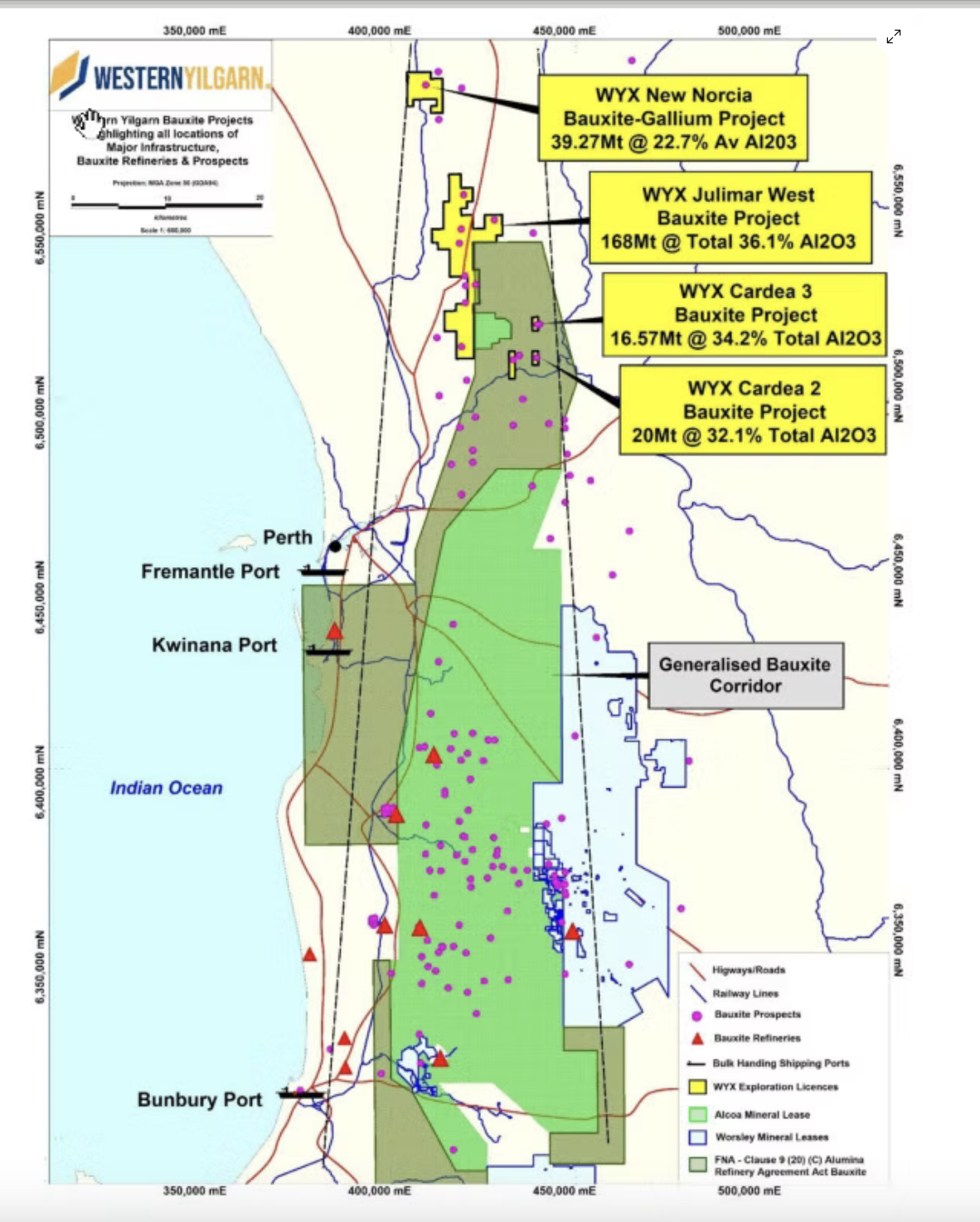
Location map showing the New Norcia Projects area with nearby major infrastructure.
Strategic timing and ESG advantage
What makes Western Yilgarn’s portfolio particularly compelling is its timing. With global bauxite supply tightening due to Guinea’s export volatility and rising Chinese demand, secure and scalable Australian supply is now in high demand. Western Yilgarn's projects are not only of high quality but also backed by sound infrastructure and regulatory stability, making them prime candidates for development and future offtake agreements. Additionally, the company's transparent reporting, regular resource updates, and systematic exploration campaigns indicate a well-managed and credible operation.
Environmental, Social, and Governance (ESG) performance is another important aspect. Western Australia has a strong track record in regulating sustainable mining practices, and Western Yilgarn’s shallow open-cut mining strategy, combined with its proximity to infrastructure, reduces its environmental footprint. This is particularly attractive to downstream buyers and aluminium producers who are increasingly being held to higher environmental standards.
Canyon Resources Limited
Canyon Resources Ltd (ASX:CAY) is steadily advancing its 100% owned Minim Martap Bauxite Project, nestled in the Adamawa Region of central Cameroon, near the village of Minim and strategically located adjacent to both rail infrastructure and the Atlantic port of Douala.
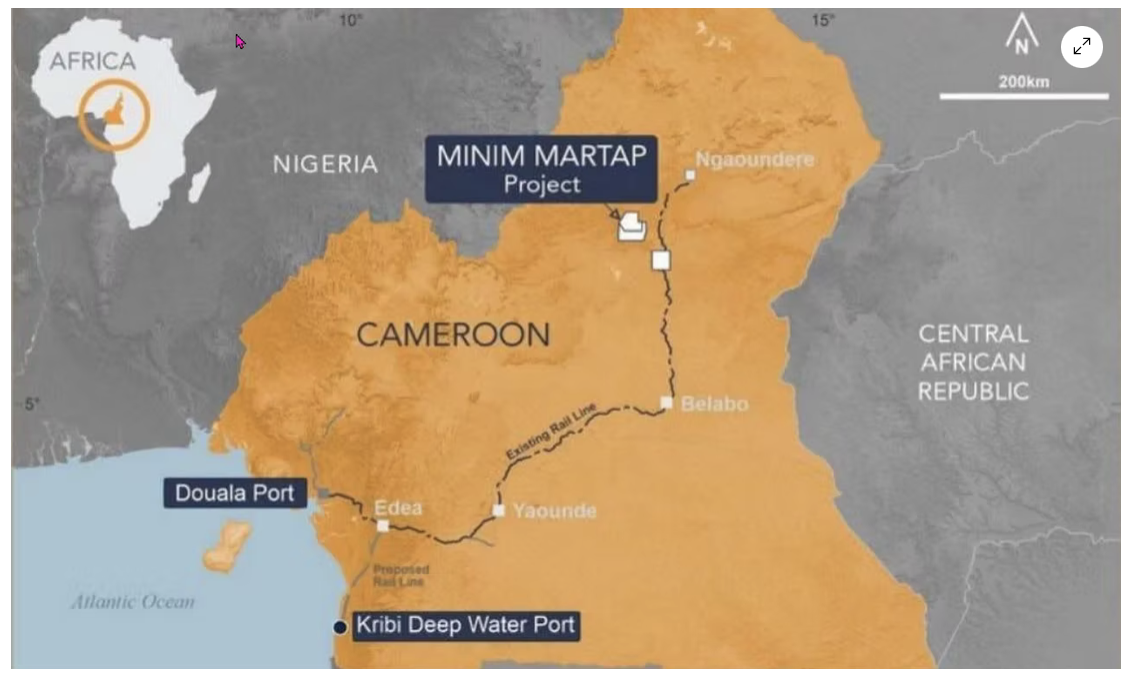
Canyon Resources Limited Minum Martap bauxite project in Cameroon. (source: Canyon Resources Limited).
The Project is supported by a Bankable Feasibility Study (BFS), which was completed in 2022 and underpinned by a large and high-grade Mineral Resource Estimate. An initial 20-year Life of Mine (Ore Reserve) was defined in June 2022.
In July 2024, Canyon’s subsidiary, Camalco Cameroun SA, signed a Mining Convention with the Government of Cameroon to mine and export alumina and bauxite at Minim Martap on the grant to the company of a mining permit.
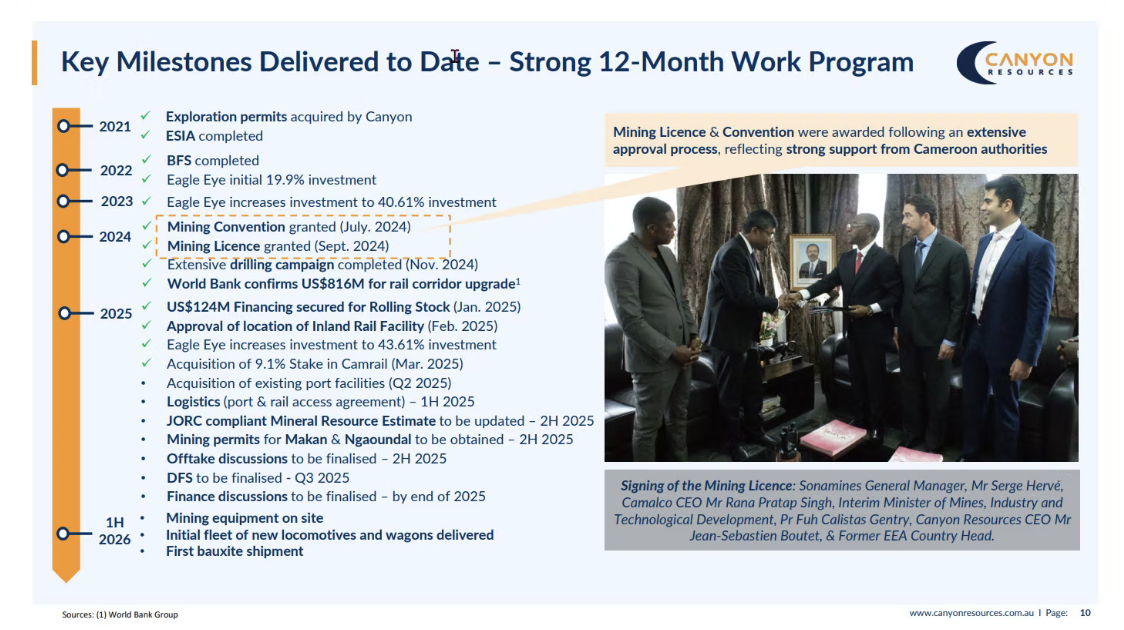
A timeline for the progress of the Minim Martap bauxite project for Canyon Resources Limited. (source: Canyon Resources Limited).
The signing of the Mining Convention marks the culmination of an extensive approval process, allowing Canyon to proceed with development plans for the project and is a testament to the strong partnership and collaboration between Canyon and the Government of Cameroon.
Development commenced following the company’s rebranding from Castlemaine Resources in 2010, with exploration permits secured over the Makan, Ngaoundal, and Minim-Martap licences. A pivotal milestone was achieved in August 2020, when the Government of Cameroon granted the project its mining licence, clearing the path for a feasibility study and project financing.
The Minim Martap Resource
The JORC-compliant resource stands at around 1,027 million tonnes, grading 45.3% Al₂O₃ and 2.7% SiO₂, with an Ore Reserve of 109 million tonnes at an upgraded grade of 51.1% Al₂O₃ and 2.0% SiO₂, declared in February 2025. The project has been designed as a 6.4 Mtpa direct-shipping ore operation over a 20-year mine life, underpinned by a robust rail-to-port integration strategy, targeting first shipments in 2026.
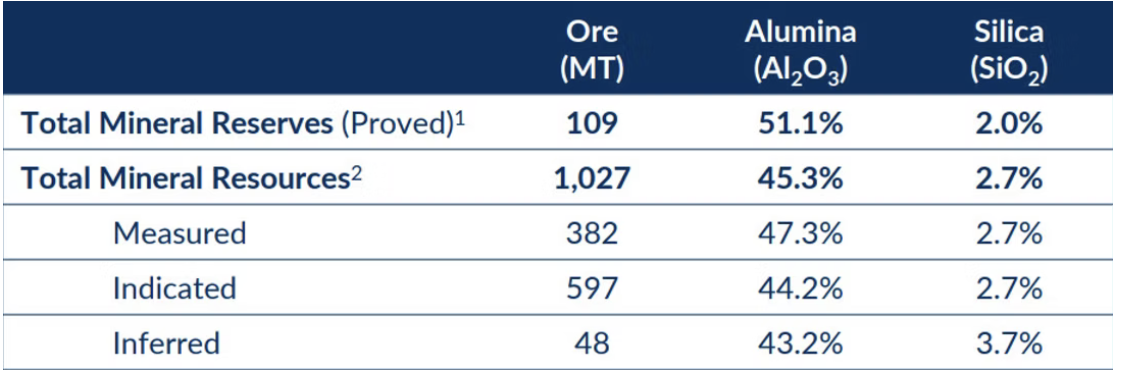
The Minim Martap resource as of April 2025. Significant growth potential, as the current mine plan & production target presented in the 2022 Bankable Feasibility Study (BFS) are based on the proved reserves, representing only c. 10.6% of the total resources. (source: Canyon Resources Limited).
Canyon market performance
Since mining licence approval and the updated Ore Reserve announcement, Canyon has attracted new capital, including a US$140 million credit facility secured in late May 2025.
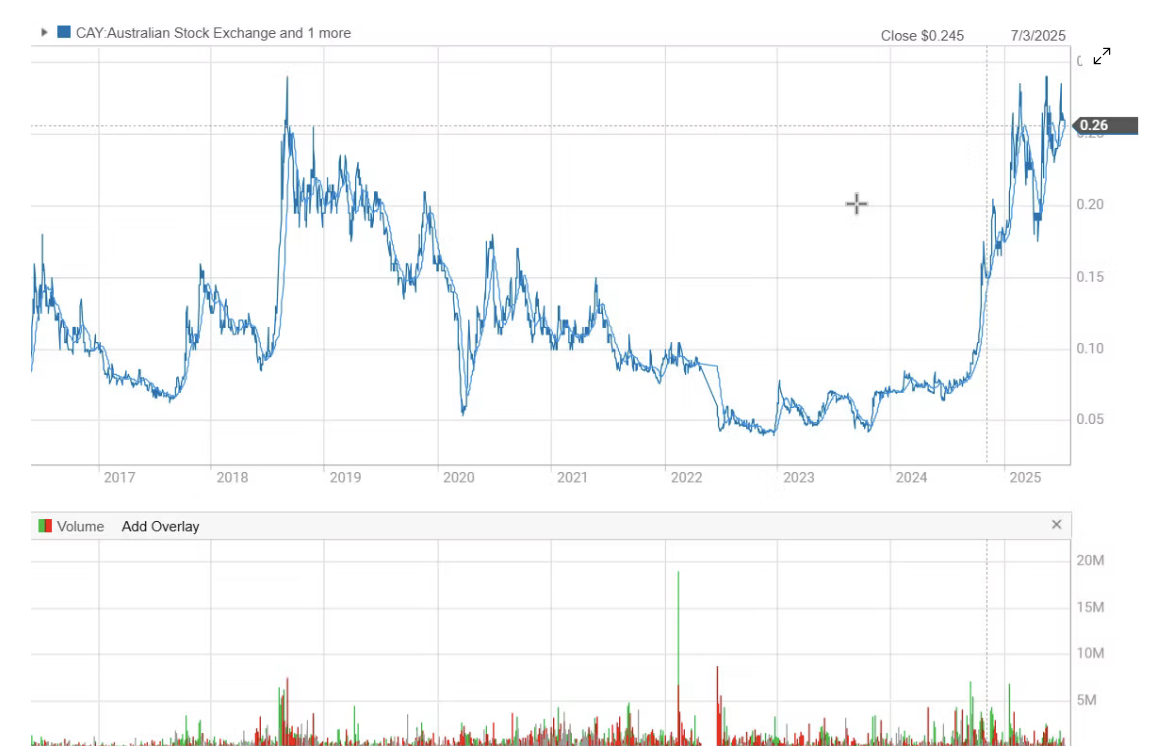
The share price chart for Canyon Resources as of 18th July 2025. (source: commsec).
The share price has reflected this momentum: trading at just A$0.07 in mid-2024, the stock surged to a 52-week high of A$0.30 by May 21, 2025, and now sits around A$0.26, marking a ~249% gain year-on-year—outperforming the ASX All Ordinaries benchmark.
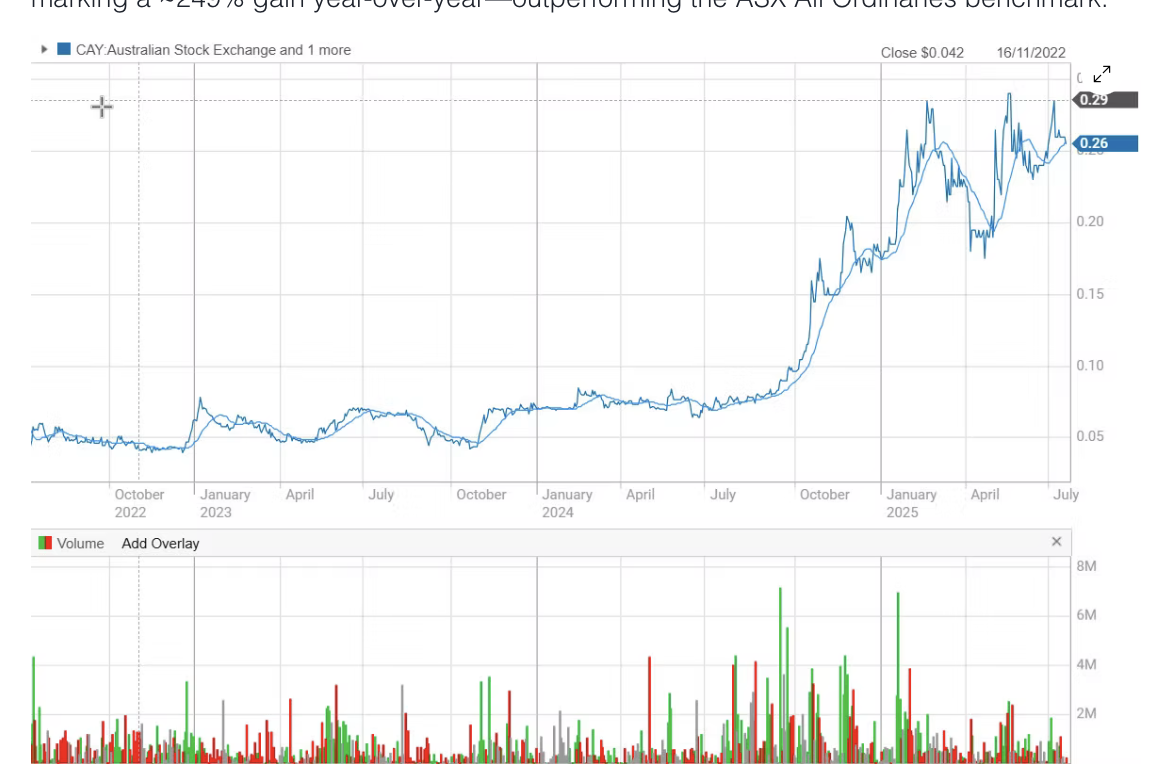
The share price chart for Canyon Resources since October 2022. (source: commsec).
Arrow Minerals Limited
Arrow Minerals Ltd (ASX:AMD) has two projects in Guinea, West Africa: the Niagara Bauxite Project (Niagara, Niagara Project), for which Arrow holds an option to acquire, and the Simandou North Iron Project (Simandou North, SNIP). Both Niagara and Simandou North are located within trucking distance to the Trans Guinean Railway (TGR), which is currently under construction by Winning Consortium Simandou. The location of the Niagara Project relative to the TGR offers substantial advantages for its development, including future access to multi-user rail and port infrastructure.
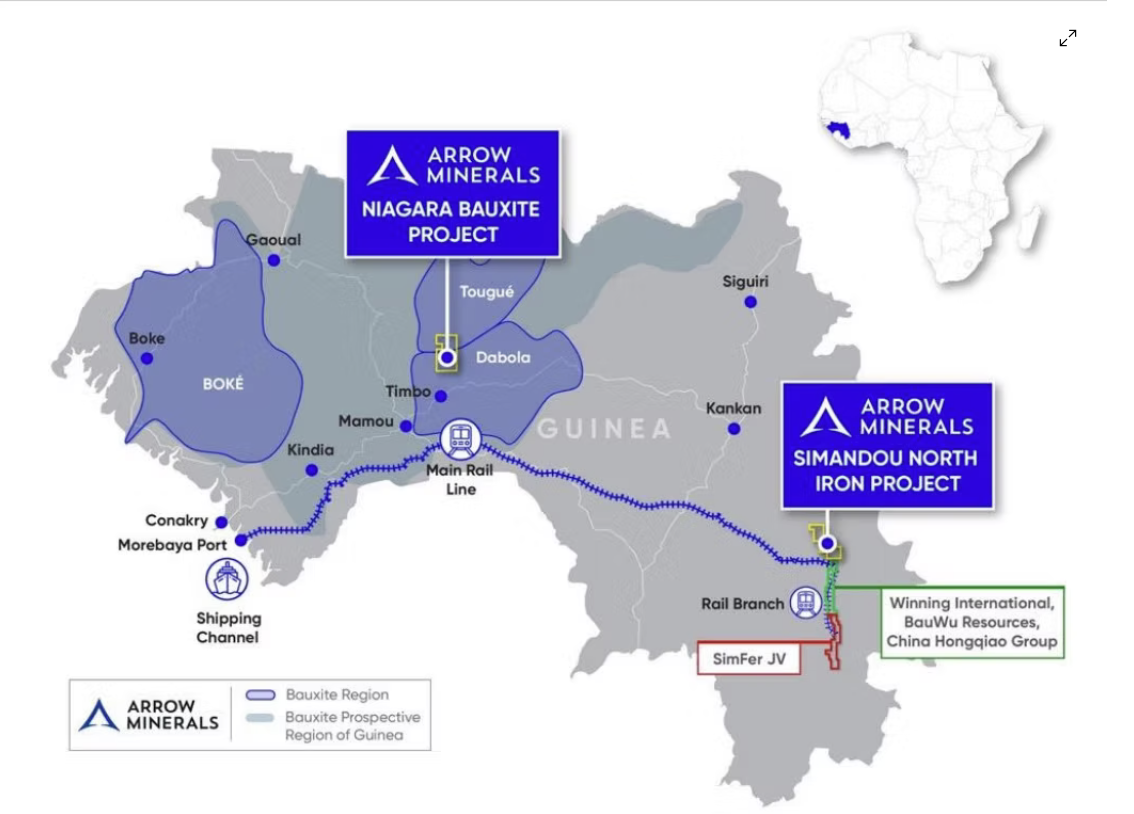
Project location plan for Arrow Minerals Limited. (source: Arrow Minerals Limited).
Arrow has reported a maiden JORC Resource of 185 million tonnes at its Niagara Bauxite Project in Guinea, featuring robust grades of 42.3% Al₂O₃ and a notably low 2.7% SiO₂. The resource includes over 75% classified as Indicated, placing it within a 14 km² high-grade zone, alongside ongoing exploration and the imminent Scoping Study.
Extensive drilling (184 holes to date) confirms shallow, premium-grade bauxite, and third-party off-take and strategic partnership talks are underway.
Niagara Bauxite Project – progress to date
An exploration target estimate from August 2024 suggested a potential of 170–340 million tonnes with ~40–46% Al₂O₃ and 1–4% SiO₂, though still conceptual in nature.
Drilling began in October 2024, focusing on three of nine priority targets. Approximately 2,000 metres across ~150 holes and up to 10 bulk samples were planned to support resource estimation and metallurgical work for a Scoping Study in H1 2025.
By March 2025, a maiden Mineral Resource was declared: 185 million tonnes at 42.3% Al₂O₃ and 2.7% SiO₂, confirming high quality and supporting viability for a starter operation near the soon-to-be operational Trans Guinean Railway (~100 km away).
ASX Announcement 25th March 2025: Premium DSO Potential in Maiden Mineral Resource
Licence renewal uncertainty
On May 19, 2025, Arrow Minerals went into a trading halt and subsequently a voluntary suspension as media reports emerged that the Guinean government was reviewing or potentially cancelling a range of exploration tenements, including Arrow’s Niagara Bauxite and Simandou North Iron projects.
The exercise of Arrow’s acquisition option for Niagara remains conditional on a permit renewal of at least two years. They have not yet exercised the option, pending resolution of the permit status.
Meanwhile, the company has continued scoping-level studies (mining, logistics, financial modelling) and engaged with stakeholders to affirm its development credentials and push for rapid resolution.
As of July 2025, the company remains in ASX suspension while seeking confirmation on the status of its exploration permit. Should the government confirm at least a two-year tenure renewal, Arrow will be positioned to advance the acquisition and potentially move toward a starter scale bauxite operation.
ASX Announcement 21st July 2025: Amendment to Agreement – Niagara Bauxite Project
Arrow Minerals market situation
Arrow has had a subdued journey over the last five years as it progressed the bauxite story. The recent consolidation of the share price, followed by the licence issue, has not been favourable to shareholders. A 20 to 1 consolidation, followed by the recent bad news, is not the best news for shareholders.
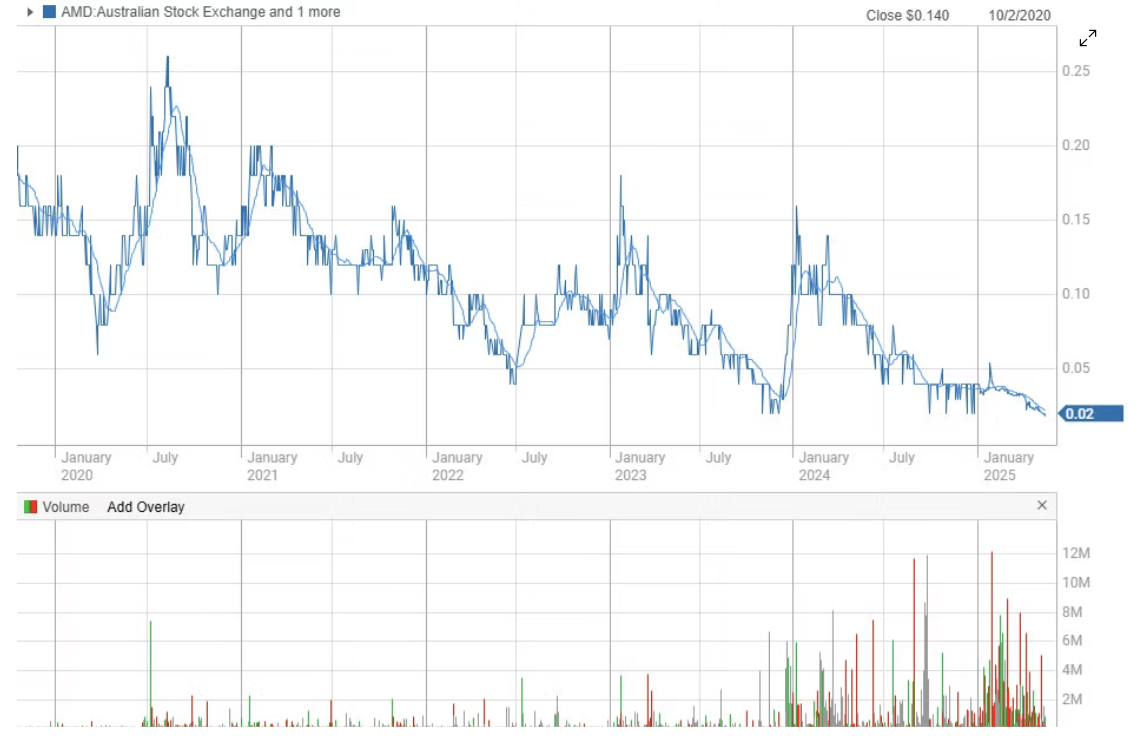
The share price chart for Arrow Minerals Limited as of July 25, 2025. (source: commsec).
VBX Limited (Source: VBX Limited)
VBX Limited (ASX:VBX), incorporated in 2013 and headquartered in West Perth, Western Australia, is focused on the exploration and development of high-grade bauxite resources. The company’s flagship asset is the Wuudagu Bauxite Project, located approximately 15 km west of Kalumburu on Wunambal Gaambera country in northern Western Australia. Beyond Wuudagu, VBX also holds the Takapinga Project in the Northern Territory, offering further exploration upside.
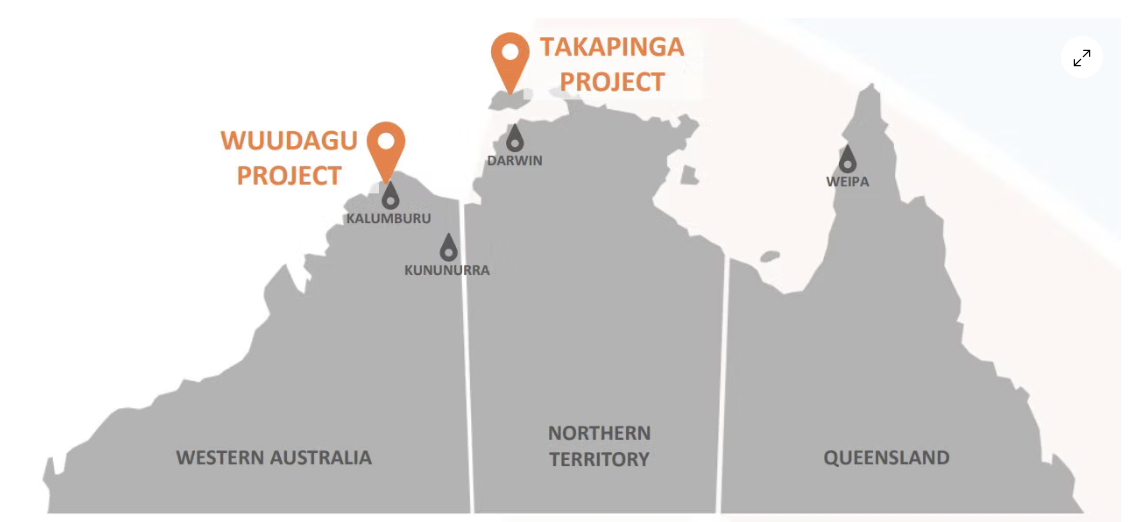
Project location plan for VBX Limited. (source: VBX Limited).
This project positions VBX as a promising player in the global bauxite market, particularly due to its proximity to infrastructure and high-quality resource profile. Leading the company is Managing Director Ryan de Franck, supported by a team of directors and executives who collectively hold around 50% of the company’s shares, indicating a strong level of internal alignment and commitment to long-term project development.
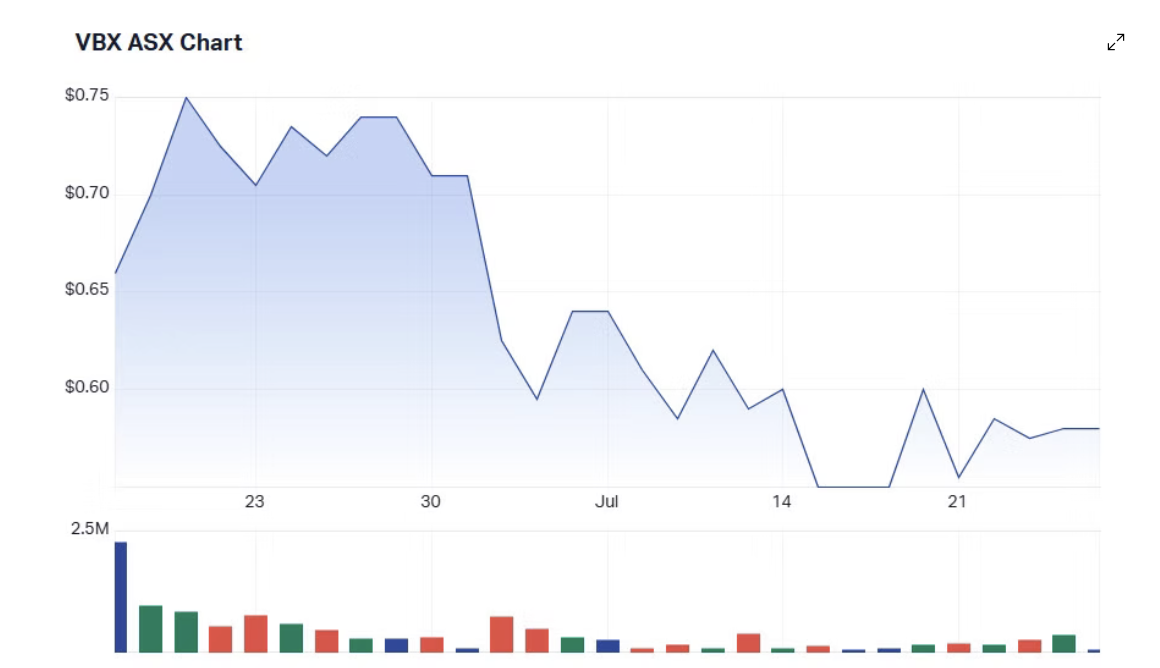
VBX listed on the ASX under ticker VBX on June 17, 2025, raising A$10 million via an IPO priced at A$0.60/share. The IPO was heavily oversubscribed and backed by institutional investors such as Deutsche Balaton, Lowell Resources Fund, and Terra Capital.
Upon listing, the stock surged ~15% intraday as the market welcomed its debut. The share price has since settled down to A$0.58 as it begins its ASX journey.
Wuudagu Project
VBX is progressing its Wuudagu Bauxite Project in Western Australia. The company's IPO prospectus and ASX listing materials outline a combined Indicated and Inferred JORC resource of approximately 96 million tonnes of high-quality, low silica bauxite.
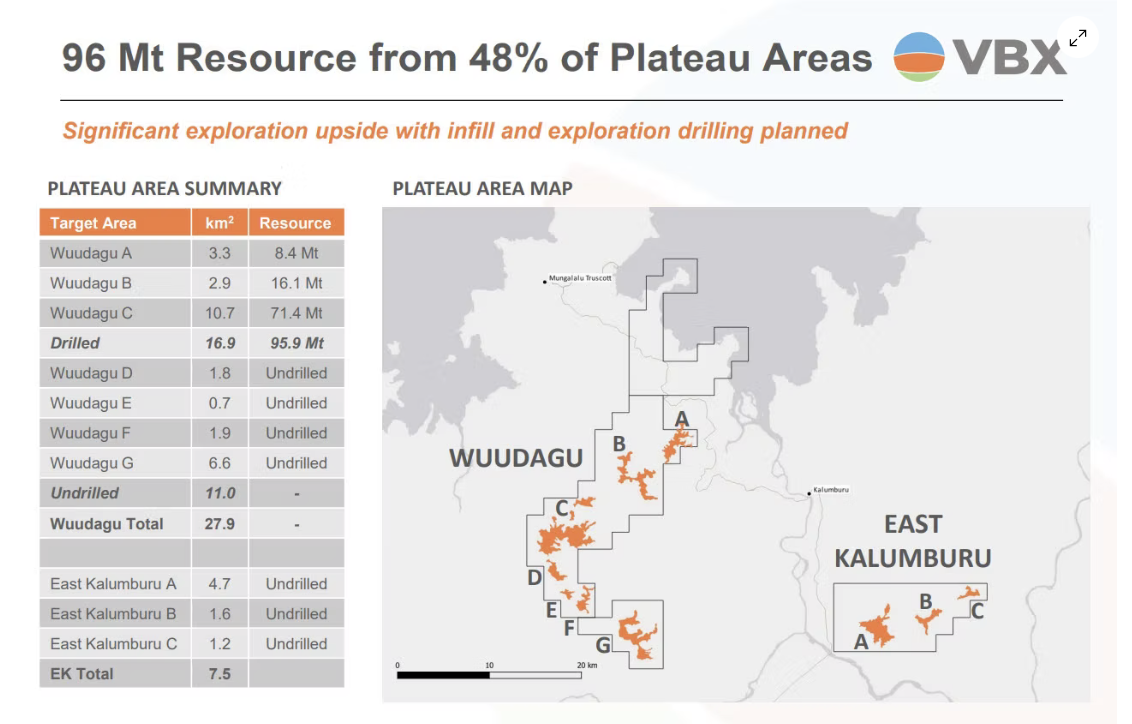
The total resource that is currently in the VBX portfolio at the IPO stage (source: VBX Limited).
VBX emphasises the ore’s Guinea-style specifications, including premium grade and favourable logistics, and is targeting a 10+ year mine life underpinned by a 59 million tonne Ore Reserve at Wuudagu C. The company aims to enter production by FY 2026, with over half the resource footprint yet to be drill-tested. VBX plans to surface-mine, beneficiate (removing silica), haul via road, and transship ore from a coastal jetty, aiming for 3.5 Mtpa production over an initial 10-year mine life (~36 million tonnes).
ASX Announcement June 17, 2025: Australian Bauxite Developer VBX Lists on ASX
According to VBX, the Pre-Feasibility Study (PFS) at Wuudagu (Completed Early 2025) highlights:
- Pre-tax NPV (8%): A$821 million
- IRR: 136%
- Payback Period: 16 months
- Initial Capex: A$125 million
- All-in Sustaining Cost (AISC): A$54/t CFR China
- Average Annual EBITDA: A$143 million
- Product Grade: ~45.4% Al₂O₃ and ~3.6% SiO₂
As of June 30, VBX has started its drilling program to support the Wuudagu DFS, as per the ASX release dated 30 June 2025: Drilling Program Underway to Support Wuudagu DFS.
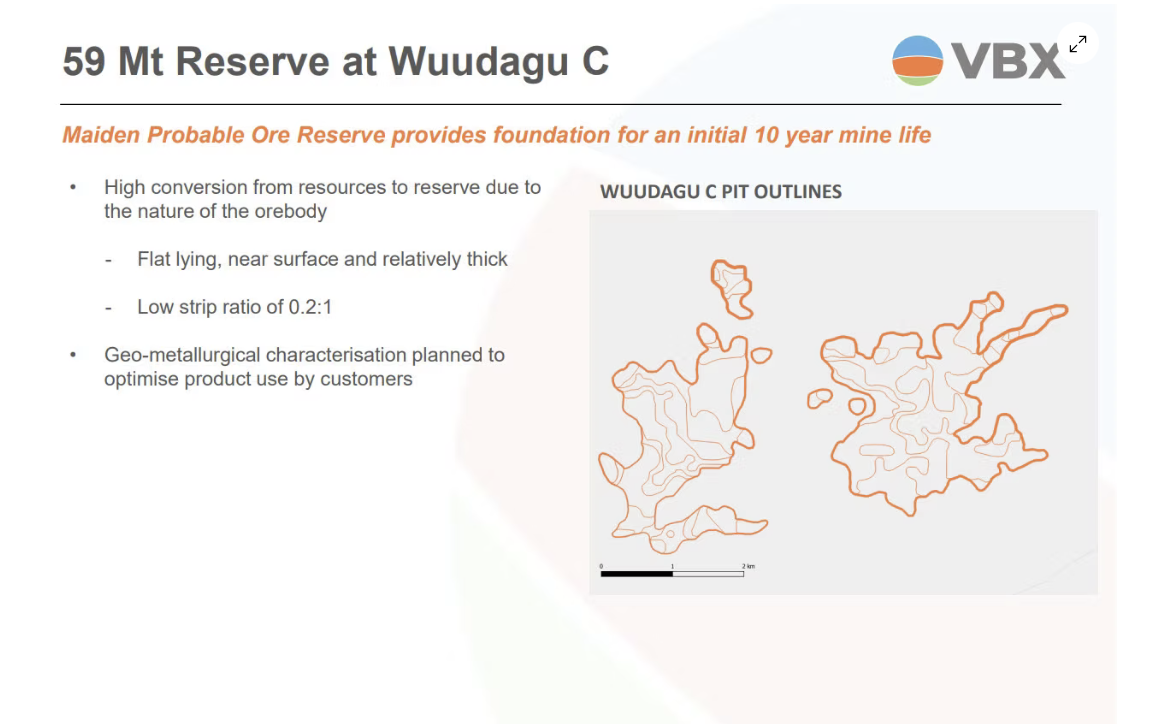
The total resource at Wuudagu C (source: VBX Limited).
Takapinga Project
The Takapinga Bauxite Project consists of two exploration licence applications covering approximately 1,118.5 km² on Melville Island in the Northern Territory. This exploratory asset is much larger in scale than the company’s flagship Wuudagu site, with roughly 314 km² of mapped lateritic bauxite target areas at known deposits like Cache Point and Goolumbini, along with broader regions identified as pisolitic bauxite potential.
- Location: Melville Island, Northern Territory
- Size: ~1,118 km² total, with ~314 km² of bauxite targets
- Initial Targets: Cache Point, Goolumbini, widespread pisolitic bauxite
- Status: Exploration licence applications lodged; early-stage asset
- Infrastructure: Near existing airport, port, and accommodation
- Potential: High-scale exploration upside and strategic growth opportunity beyond Wuudagu
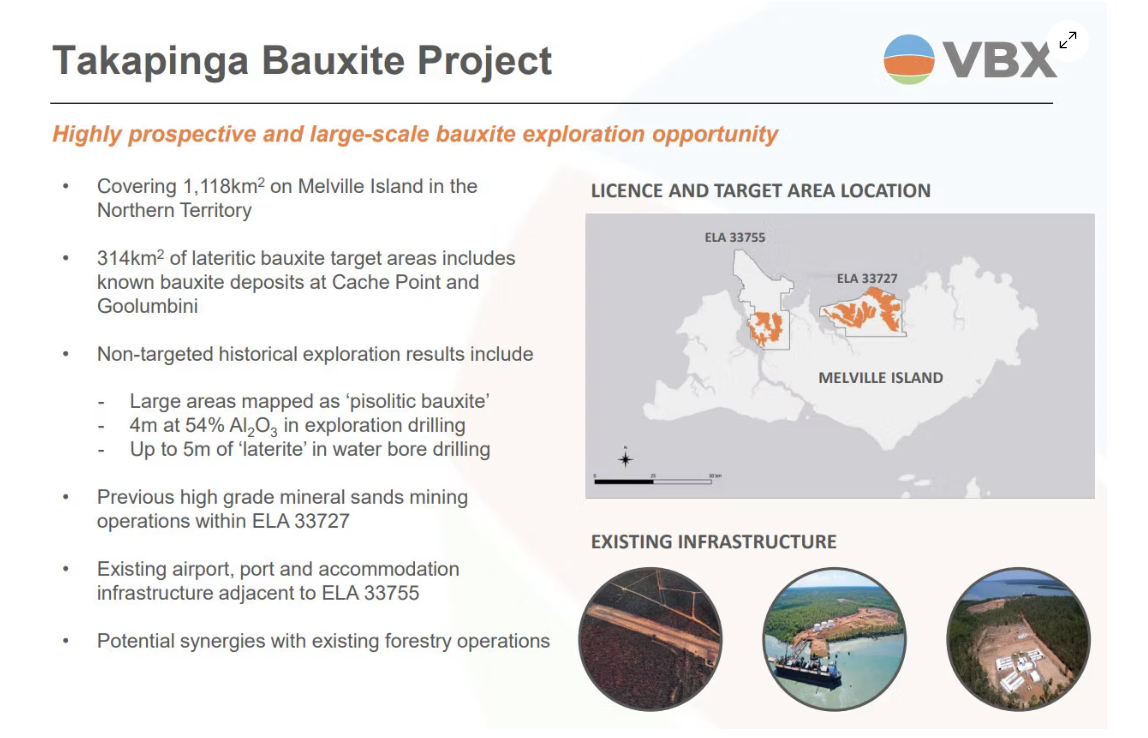
The Takapinga Project (source: VBX Limited).
Still in early-stage exploration, Takapinga offers significant upside with its large-scale licence area—around nine times bigger than the Wuudagu Plateau—yet remains underexplored compared to VBX’s well-advanced primary project. VBX is leveraging progress at Wuudagu while building the early groundwork at Takapinga, making it a key longer-term development target if early drilling results prove encouraging.
VBX has flagged the Takapinga Project as a major growth lever, capitalising on Melville Island’s substantial target area size and its potential for future resource definition. As an early-stage asset, it represents an opportunity to significantly expand VBX’s bauxite footprint beyond its Western Australian operations.
Samso concluding comments
For ASX investors in the small end of town, the small capitalisation sector of the ASX, bauxite mining—or the business of bauxite—is not well understood. There is little media coverage for this bulk commodity, as it has largely been dominated by the major players. Alcoa, the Darling Range, and bauxite are largely accepted as the bauxite industry, and most investors on the ASX will not be able to mention any other player in the industry.
When I wrote about Metro Mining and Canyon Resources back in 2020, there was no other significant company in the bauxite space. Till today, I challenge anyone to show that there is any other significant story beyond those I have mentioned.
In recent times, Arrow Minerals in Cameroon is probably the only other player that started to sing the bauxite song, but with the government nationalising the country’s mineral business, that is now not looking good for the company. If you have had the patience and the sustenance to go through this review, the only new players that have some form of significance are VBX Limited and Western Yilgarn Limited. One can add ABx to that list, but there are some important perceptions that need to be overcome before I feel a smoother journey is in the coming.
The real underlying value proposition investors need to consider
At the time of writing, VBX is sitting at a market capitalisation of A$22 million, Western Yilgarn at A$4 million, and ABx Group Limited at A$9 million. These are the hopefuls in the sector, while Metro Mining is in a league of its own with a market capitalisation of A$426 million.
Unfortunately, Metro Mining, in my opinion, does not have the leverage in multiple bags of value, which is more apparent with the other three stories—VBX Limited, Western Yilgarn, and ABx Group Limited.
Looking at Table 1 earlier in the piece, I view that the true value proposition for investors will not be driven by the grades alone. Don't get me wrong, the technical aspect is important, but the business that is happening in Australia is now more than numbers. It's about the ability to deliver an economic solution in the midst of an environmentally sensitive mining jurisdiction.
A potential game playing out in the Western Australian bauxite sector
The success of a mining business in Australia is now all about appeasing the ESG factor, having the infrastructure, and how the mining process can be economised. It is one thing to have a mineral discovery with tonnes and grade; it is entirely different to see the commercialisation of that resource, as the barriers to overcome—the jurisdiction and social barriers—are higher in Australia.
There is no secret that Alcoa and South32 are looking for more feed, and looking at the players in Table 1, the only one that has the advantage of location is Western Yilgarn.
It has the advantage of being in the dry wheatbelt of Western Australia, within trucking distance to existing processing facilities and two major bauxite players wanting and needing feed. It's like a marriage made in heaven. It is a marriage proposition that is still in the early stages of a good idea. As we all know, the devil is in the details, so it is still very early to make any comment that carries weight. It is still just a good thought, and if I am correct, taking a position now after some serious DYOR would be a good idea.
Alcoa and South32 have similar grades and silica content, so optimising the ore from Western Yilgarn will not be a major obstacle. In addition, a company with a market capitalisation of A$4 million is going to be a lot easier to have a discussion about collaboration, consolidation, joint venture, or M&A.
The virtues of opportunities in the mining industry are something that is not earned but is bestowed upon by the god of Lady Luck. Western Yilgarn is in a very unique position as it appears to have stumbled onto the good fortune of Lady Luck. How this will proceed with time is never set in concrete, but for the ASX investors—as I have already mentioned—this is definitely one for some serious DYOR.
VBX is steeped in the Kimberley region, and working with the traditional owners will be a very important part of their success. The fact that they have an established PFS and appear to have a clear path to establishing a mining business is encouraging. I do like the fact that they have a low silica content, which is on par with Canyon Resources, Arrow Minerals, and ABx Group.
Bauxite in Australia is unique in that there are no other real players other than Metro Mining in Queensland. With global demand for both bauxite and aluminium indicating an upside trend (like everything else), the search for the next reliable and sustainable source of bauxite will be the next challenging focus for the likes of Alcoa and South32.