
Lithium Universe Ltd (ASX:LU7, OTC:LUVSF) has started the first phase of its critical metals recovery initiative, with a focus on silver extraction from photovoltaic (PV) solar panels. The development follows collaboration with Dr Binesh Puthen Veetti and his team at Macquarie University, who have pioneered new silver extraction technology.
The company has secured global rights to the university’s proprietary “Microwave Joule Heating Technology” (MJHT), designed to recover metals from solar panel waste. The technology enables energy-efficient recovery of valuable materials from discarded solar panels.
Alongside silver, solar panels also contain other critical elements such as silicon, gallium and indium — metals vital to advanced semiconductor manufacturing and renewable energy systems.
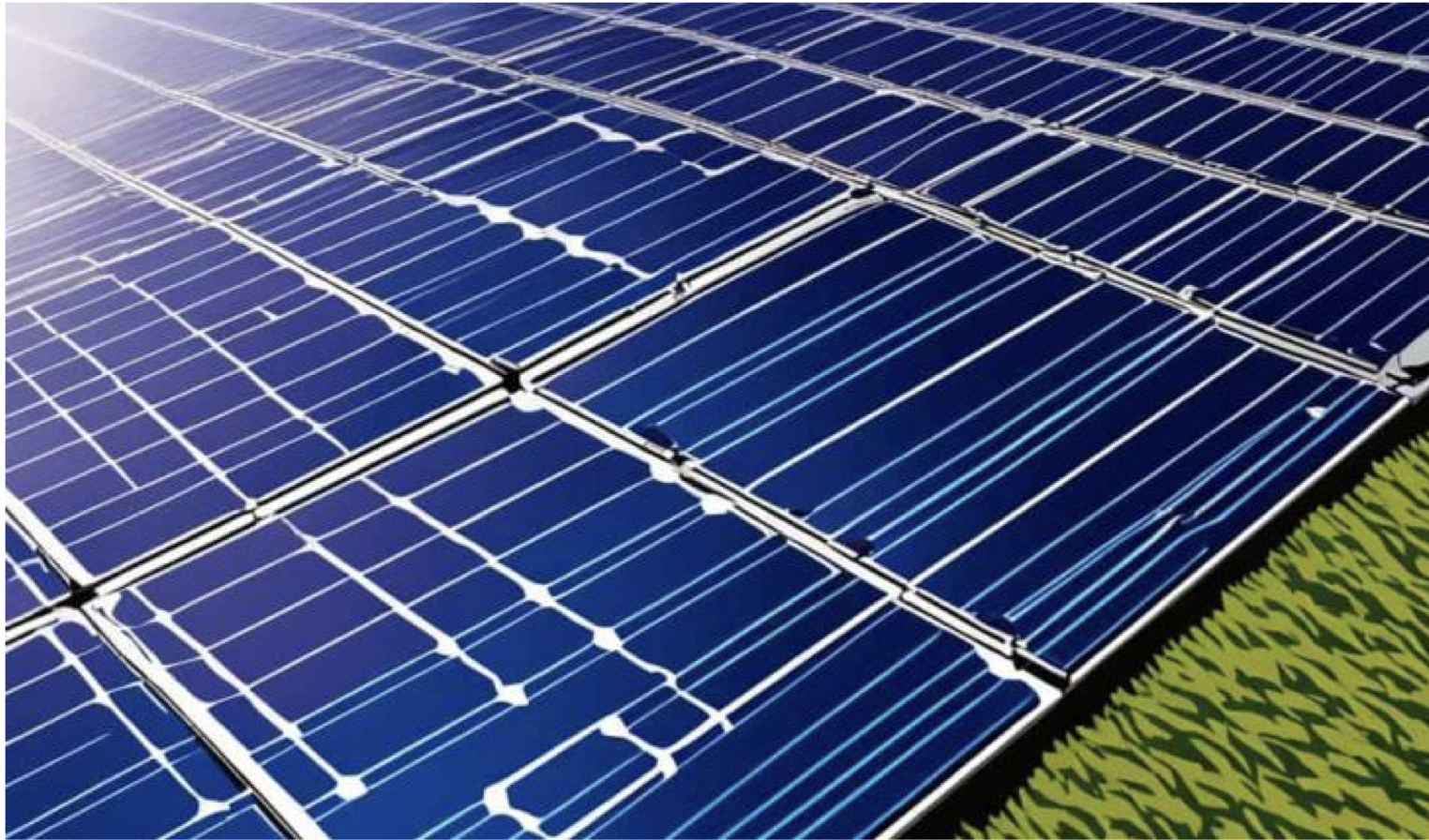
Silver fingers and busbars on a solar panel transport electricity.
The company is also preparing to assess a new silver extraction process developed by the same university team. This secondary technology is distinct from MJHT and will be formally presented to Lithium Universe after patent finalisation.
Silver demand is forecast to reach a record 680 million ounces in 2025, with industrial use growing at a 7% compound annual growth rate. A supply deficit of around 117.6 million ounces is expected. Since 2018, silver prices have surged by 126% to US$34 per ounce, highlighting the economic incentive to recover the metal from solar waste.
“While solar panels contain many critical metals and minerals, the follow-up extraction of these materials needs to be prioritised. Due to the large volume of residual material, rising prices, and supply shortages, the company plans to focus on silver extraction as the first phase. Once we address silver extraction, we can then explore the extraction and recovery of other critical metals like silicon, indium, and gallium — critical in advanced semiconductor and solar energy technologies.”
Surging silver demand driven by solar energy boom
Silver demand is rapidly escalating, underpinned by its critical role in solar panel manufacturing. Each panel typically contains about 20 grams of silver, with estimates ranging from 3.2 to 8 grams per square metre. At a spot price of US$34 per ounce, the silver content equates to approximately A$36 per panel.
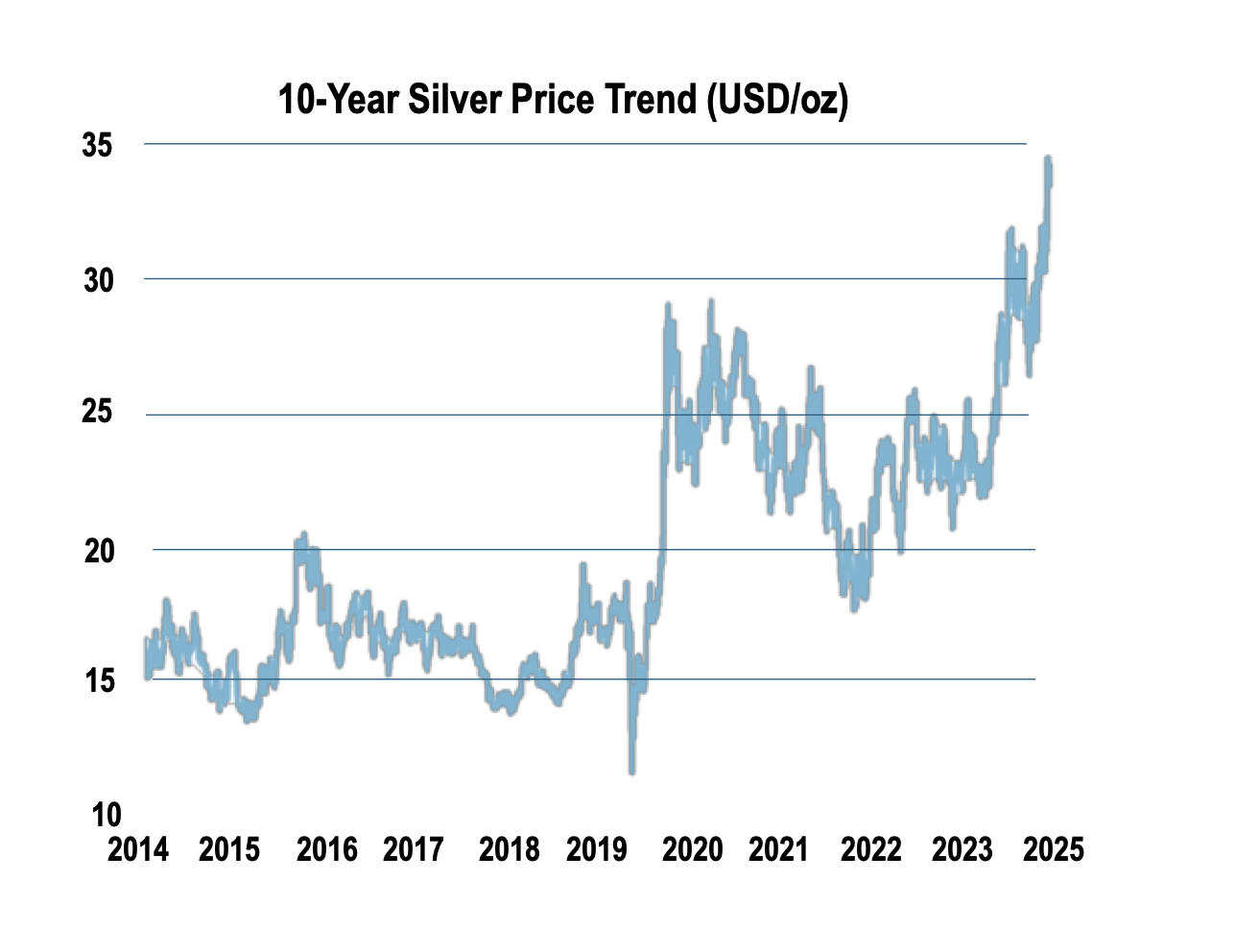
Silver 10-year price trend.
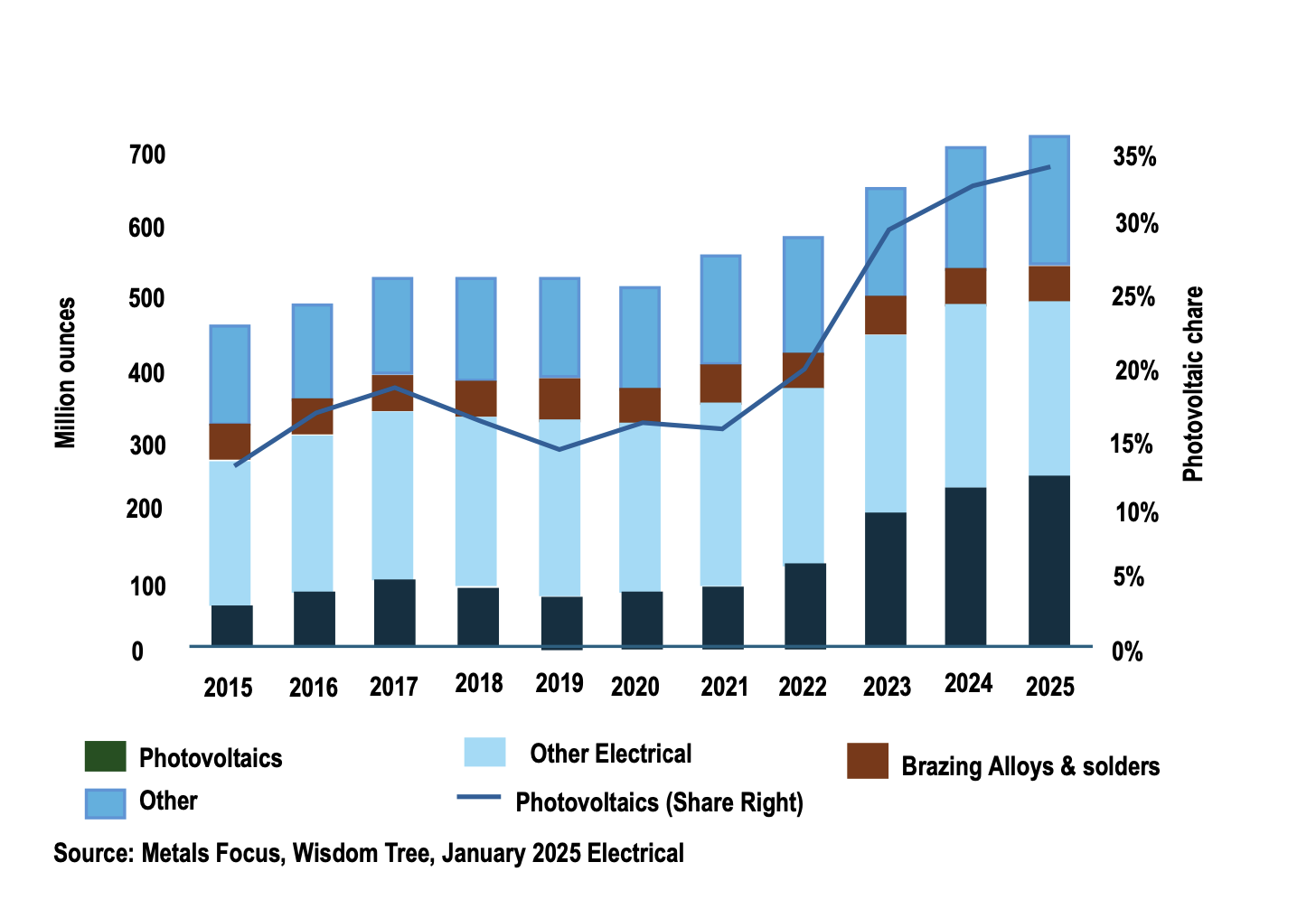
Silver demand driven by PV cells.
Photovoltaics (PV) have become a major consumer of silver, and their growing deployment — particularly in markets such as Australia — is intensifying demand. Australia’s target of 82% renewable energy generation by 2030, alongside a planned 43% cut in emissions, is driving large-scale solar adoption.
The global industrial demand for silver is forecast to grow at 7% annually, with total consumption expected to reach a record 680 million ounces in 2025. PV and artificial intelligence (AI) are now among the fastest-growing sectors driving this expansion.
Silver remains both costly and finite, primarily sourced from argentite ores via smelting or chemical processing. However, production has not kept pace with rising consumption. A projected market shortfall of around 117.6 million ounces in 2025 continues a pattern of deficits that has placed upward pressure on prices.
Reflecting these dynamics, silver prices have surged 126% over the past seven years, rising from US$15 per ounce in 2018 to US$34 per ounce in 2025.
Potential silver extraction technology to complement MJHT platform
In June 2025, Lithium Universe entered into an exclusive licensing agreement with Macquarie University for its MJHT, a platform that employs targeted microwave energy to selectively heat silicon wafers within photovoltaic (PV) solar panels, softening the ethylene vinyl acetate (EVA) thermoplastic encapsulant. This process enables efficient room-temperature delamination, allowing for the recovery of valuable materials without the extreme heat (up to 1,400°C) or hazardous chemicals typically used in conventional recycling methods.
The delamination approach avoids mechanical crushing, reducing material cross-contamination and improving recovery efficiency.
As a follow-on to this process, Macquarie University’s Dr Binesh and his research team have developed a complementary silver extraction technology tailored for delaminated silicon wafers derived from the MJHT process. This silver recovery method is currently undergoing patent submission. Upon completion, the licence for the new technology will be offered to Lithium Universe.
While the company has not yet formally assessed the new silver extraction technology, it has initiated independent research and patent investigations to identify the most effective methods for recovering silver from end-of-life solar panels.
Why silver recycling is a lucrative opportunity
Global solar panel waste is projected to surge from 8 million tonnes in 2030 to between 60 and 78 million tonnes by 2050, according to the International Energy Agency (IEA). In Australia alone, the accumulated waste is expected to reach 1 million tonnes by 2035, equating to an estimated value of over A$1 billion. Despite the scale of this challenge, only 15% of used photovoltaic (PV) cells are currently recycled, with the majority sent to landfill due to costly, inefficient methods that require high heat and hazardous chemicals.
The silver content in solar modules offers a compelling case for change. Each panel contains around 20 grams of silver — approximately A$36 at current prices. The Australian Smart Energy Council notes that the aggregate silver in these panels is equivalent to the output of Australia’s largest silver mine. As demand for silver accelerates in sectors such as electronics and renewable energy, this underutilised resource presents a significant and scalable recycling opportunity.
Lithium Universe aims to capitalise on this opportunity.
Unlocking value from critical and strategic metals
In its second phase, LU7 plans to explore recovery pathways for other critical metals found in PV panels, including silicon, gallium and indium. These materials are vital to both the clean energy transition and advanced semiconductor applications. However, their supply chains are concentrated, with China accounting for around 80% of global gallium output and over 60% of indium production.
Gallium is primarily obtained as a by-product of aluminium smelting, while indium is produced during zinc mining. Other sources include Germany, Kazakhstan, and Ukraine (gallium), and Canada and Peru (indium), with refining activity centred in Japan and South Korea.
Given their strategic importance and supply risk, domestic recycling of these metals from end-of-life solar panels offers potential for both economic resilience and technology sovereignty.