
NATO’s push for increased defence spending is the latest sign that Europe is shifting gears on fiscal policy — but delivering on those commitments could be a different story.
According to Daleep Singh, vice chair and chief global economist at PGIM Fixed Income, the move adds to growing momentum for a fiscal pivot across the region. But questions remain about whether governments can back up spending targets with real reform.
“Germany is often regarded as a key player in the pivot,” Singh says, “but we see recent developments as establishing a floor under growth, rather than lifting the ceiling due to lack of reforms.”
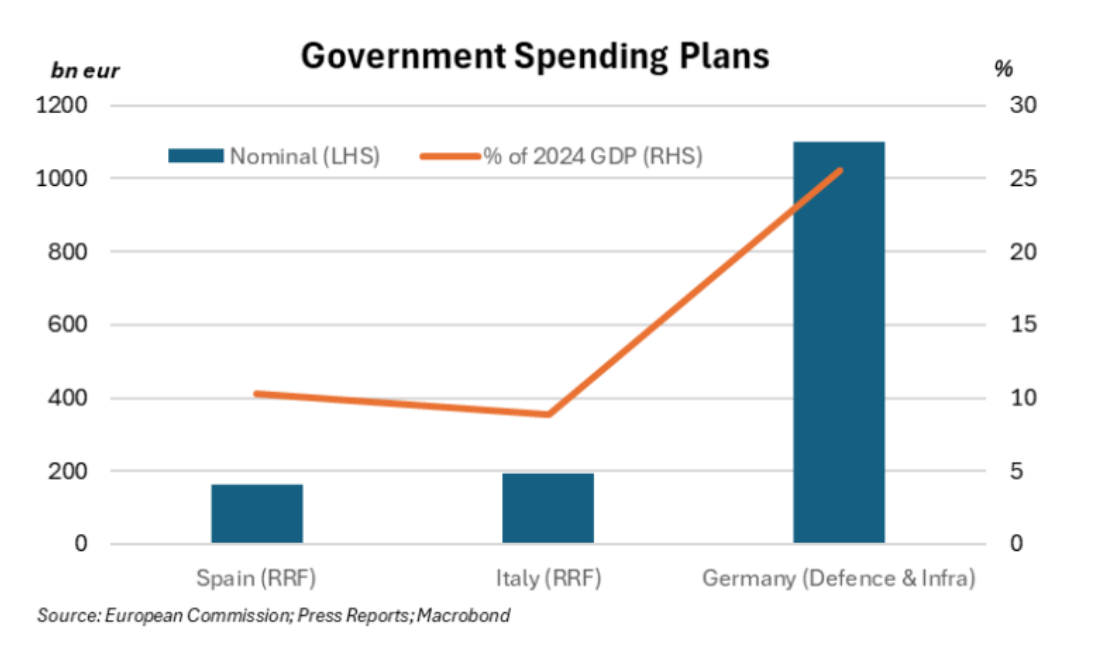
The new targets also highlight a familiar issue: bold ambitions don’t always match budget realities. “The new NATO spending targets highlight the gap between stated commitments and actual spending capabilities,” he explains. “It raises the prospect for a significant new fiscal package in Europe.”
That’s especially relevant for France, where debt levels are set to rise. “It places a focus on countries with strained fiscal conditions, such as France, which has a debt-to-GDP ratio that is poised to rise from ~110% to 120% by 2027,” Singh says. But with political fragmentation and poor adherence to EU fiscal rules, meaningful reform looks like an uphill battle.
On the monetary side, Singh says the European Central Bank’s latest review suggests inflation volatility is here to stay. That means the ECB will need to be “appropriately forceful and persistent,” while keeping a flexible playbook and clearer tools to handle shocks.