
Ideal Power Inc (NASDAQ:IPWR) is making strategic inroads into the electric vehicle (EV) market, having now signed its fifth tier one automotive supplier to evaluate its innovative B-TRAN technology.
CEO Daniel Brdar shared the milestone during a recent Proactive interview, noting that Ideal Power is also engaged with three automotive OEMs as interest continues to grow.
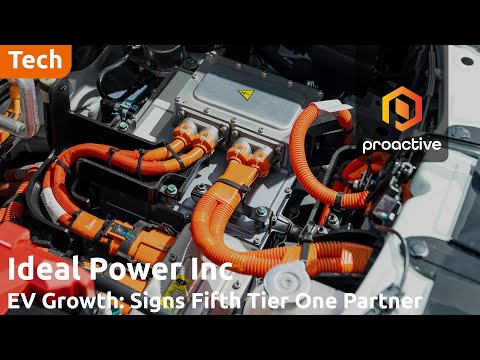
This progress highlights increasing commercial traction for Ideal Power’s SymCool modules, which utilize its proprietary B-TRAN double-sided semiconductor switch. These modules are designed to replace conventional contactors — critical components in EV systems — with a solution that significantly improves power efficiency and reliability.
Proactive: I'm joined by Ideal Power CEO Dan Brdar. Dan, very good to speak with you. What does this fifth Tier 1 automotive supplier engagement signal about the company's commercial momentum in the EV market?
Dan Brdar: The fact that we’re now working with five Tier 1 suppliers and three auto OEMs really demonstrates the strong interest in our technology and the role it’s likely to play in hybrid and electric vehicles going forward. Automakers and their suppliers are looking for solutions to address two major challenges: the cost of EVs and range anxiety. Our technology helps tackle both of those issues.
Dan, you've provided budgetary quotes for millions of SymCool modules. What does that tell us about the scale of the opportunity and where this engagement could lead?
It really is an enormous opportunity. When you consider how many automobiles are produced globally each year—literally many millions—and that each vehicle contains five to eight contactors, the scale becomes clear. Our technology would be incorporated into each of those contactors, which are critical for protecting the vehicle’s electrical system in the event of a battery issue or during servicing.
The fact that they requested budgetary quotes at this volume so early indicates they want to ensure our technology meets their objectives before investing significant time and resources in buying components, evaluating them, and starting design work. The feedback we've received is that it does—and that’s why they placed the order.
How does your B-TRAN technology outperform other semiconductor solutions in EV contactor applications?
One of the key requirements in an EV contactor is efficient current conduction, because it's constantly carrying electrical current. You want as much of that energy as possible going into driving the vehicle—not being lost as heat. Our technology delivers exceptionally low conduction losses, which means less heat is generated and more energy goes toward extending the vehicle's range.
And importantly, we achieve this using silicon-based technology, without resorting to exotic materials that many other companies rely on.
You've said solid-state contactors will overtake electromechanical ones in the next five years. What milestones should investors watch for as Ideal Power drives that shift?
As we begin to win programs and get designed into automotive platforms, that shift will become more evident. While the design cycle for vehicles is fairly long, once an automaker commits to integrating our technology into a platform, it becomes a very sticky, high-volume application. I think you’ll see announcements from us in the near term regarding program awards for EV contactors, which will be a key indicator of our progress.
Quotes have been lightly edited for style and clarity