
Tiziana Life Sciences Ltd (NASDAQ:TLSA)’ s investigational therapy intranasal foralumab has been shown to significantly reduce neuroinflammation in a 78-year-old patient with moderate Alzheimer’s disease (AD), a newly published study has shown.
The study, published in the Journal of Clinical Nuclear Medicine, was led by Dr Tarun Singhal and Dr Howard Weiner of Brigham and Women’s Hospital, a founding member of the Mass General Brigham healthcare system.
Researchers saw a clear decrease in brain inflammation—specifically in the activity of microglia, which are immune cells in the brain that become overactive in Alzheimer's disease.
To detect this change, they used a sophisticated brain imaging technique called PET (positron emission tomography), along with a special tracer known as [F-18]PBR06. This tracer helps highlight microglial activity in the brain, allowing scientists to compare levels before and after the patient received the intranasal foralumab treatment.
The patient was treated under a US Food and Drug Administration expanded access program.
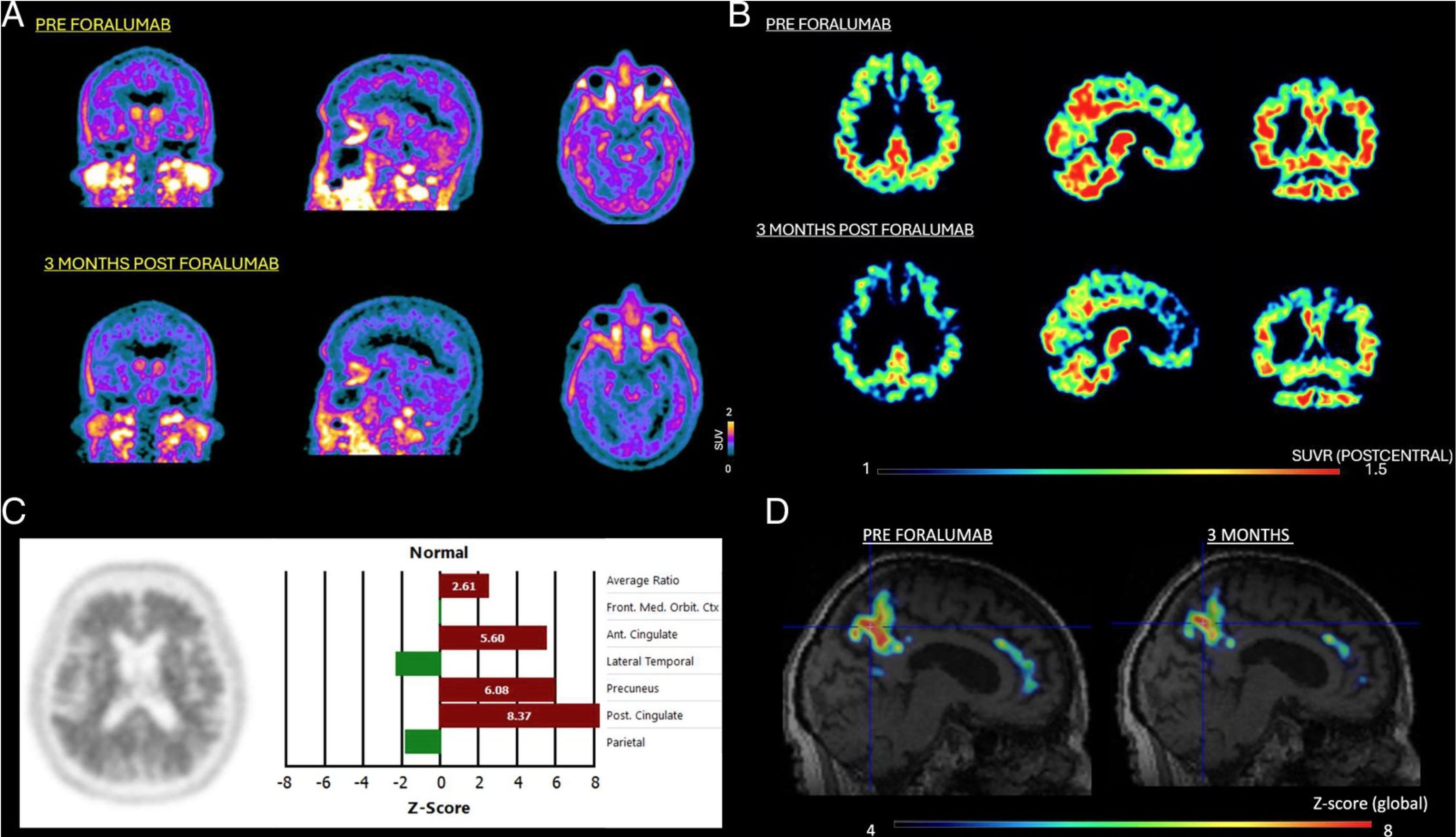
“These findings from Dr Singhal et al, are consistent with our previously reported effects of nasal- foralumab in decreasing microglial activation in non-active secondary progressive multiple sclerosis patients,” Tiziana CEO Ivor Elrifi said in a statement.
“There are currently no approved disease-modifying therapies for moderate Alzheimer’s Disease, and it is clearly an area of unmet need. A phase-2a study of nasal-foralumab in mild Alzheimer’s is being initiated.”
Dr Singhal said the significant reduction in microglial PET signal following nasal foralumab treatment provides early evidence that the therapy may modulate microglial activity in AD, supporting its potential to target neuroinflammation in AD.
“Given the role of microglia in neurodegeneration, these results are encouraging and warrant further investigation in larger, controlled studies with additional quantitative approaches,” Dr Singhal said.