
Record numbers of electric vehicles were sold in the UK last year, though it was still less than a fifth of all new cars bought.
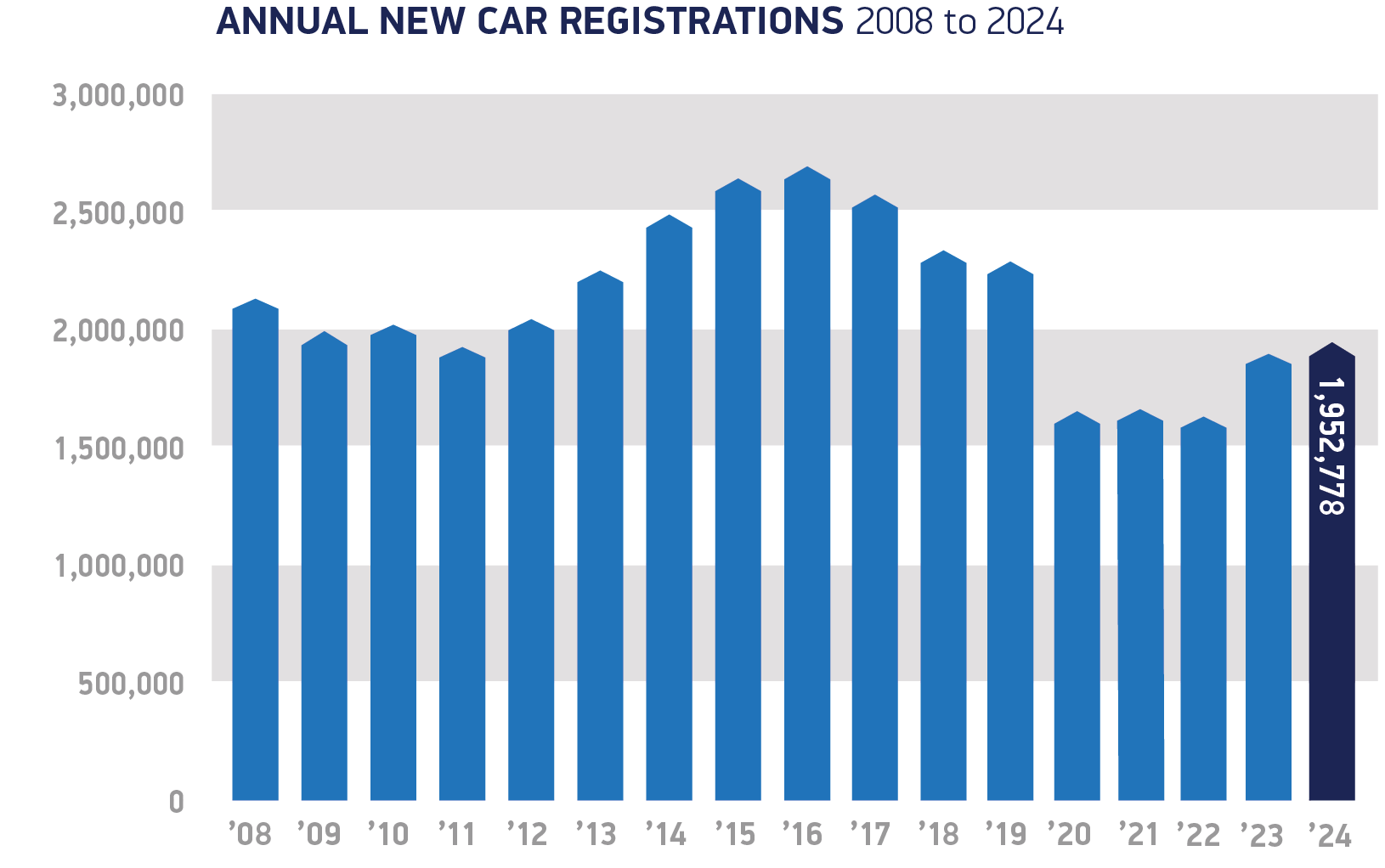
Total new car sales rose 2.6% to 1.953 million for 2024, industry data revealed on Monday, though growth was entirely down to purchases for corporate car fleets.
Car purchases by households and other private buyers fell 8.7% to 746,276, less than pandemic-hit 2020.
Only one in 10 private buyer chose an EV in 2024, with slightly more (16%) buying a hybrid electric vehicles and six out of 10 buying a petrol-powered car.
Thanks to purchases for corporate fleets, out of the total 1.9 million UK car purchases, 381,970 or 19.6% were battery electric vehicles, compared to 16.5% a year earlier.
Led by the Model Y from Tesla Inc (NASDAQ:TSLA) and the Audi Q4 E-tron as the best-selling models, BEVs represented 25.4% of corporate fleet registrations, helped by tax incentives afforded to non-private buyers.
Even so, the proportion of EVs was short of the 22% share demanded by the UK government mandate for new zero-emission vehicles.
The Society of Motor Manufacturers and Traders (SMMT), the industry body that compiles the data, said carmakers had "pulled every lever" to try and achieve the mandate target, with a total of £4.5 billion of manufacturer discounts offered in 2024, an amount that the organisation said is "not sustainable in the long term".
UK buyers have 132 zero emission models available on the market, the SMMT said, up 38% from 2023 and accounting for a third of all models available.
The government is preparing to relax EV sales targets for 2025, which would have meant imposing steep fines on manufacturers.
With a consultation on changing the rules to close in mid-February, SMMT chief executive Mike Hawes said: "We need rapid results from the regulatory review and urgent substantive support for consumers – else automotive investments will be at risk and the jobs, economic growth and net zero ambitions we all share in jeopardy."
Economist Elliott Jordan-Doak at Pantheon Macroeconomics noted that while registrations fell in December, the overall the trend remained upward after the pre-Budget "paralysis" that that had gripped consumers.
He calculated the there was a 1.7% fall year-on-year fall in private registrations in December, which was a significant improvement on November’s fall of 3.3% and October’s 11.8% collapse.
"Turning to 2025, we think that private new car registrations will continue to gradually recover as borrowing costs fall and real incomes grow," said Jordan-Doak.
National accounts data for the third quarter of last year showed that households have begun to reduce their saving rate from elevated levels, and he said this trend "should be sustained in 2025 as consumers’ confidence improves", while replacement demand for private cars "should be substantial" given the persistent year-over-year falls in purchases of vehicles in 2024.
However, the ongoing motor lending court cases, well known to investors in Lloyds Bank and Close Bros, represent a "downside risk" to the car registrations data in 2025.