
EuroPacific Metals (TSX-V:EUP) is making progress in uncovering new mineralized zones at the Miguel Vacas mine area in Portugal’s Iberian Peninsula.
Two initial drill holes confirmed the presence of mineralized zones, heralding newfound potential for expansion, particularly towards the North.
EuroPacific’s ongoing exploration program holds promise for the discovery of additional mineral resources in a lesser-known mining jurisdiction.
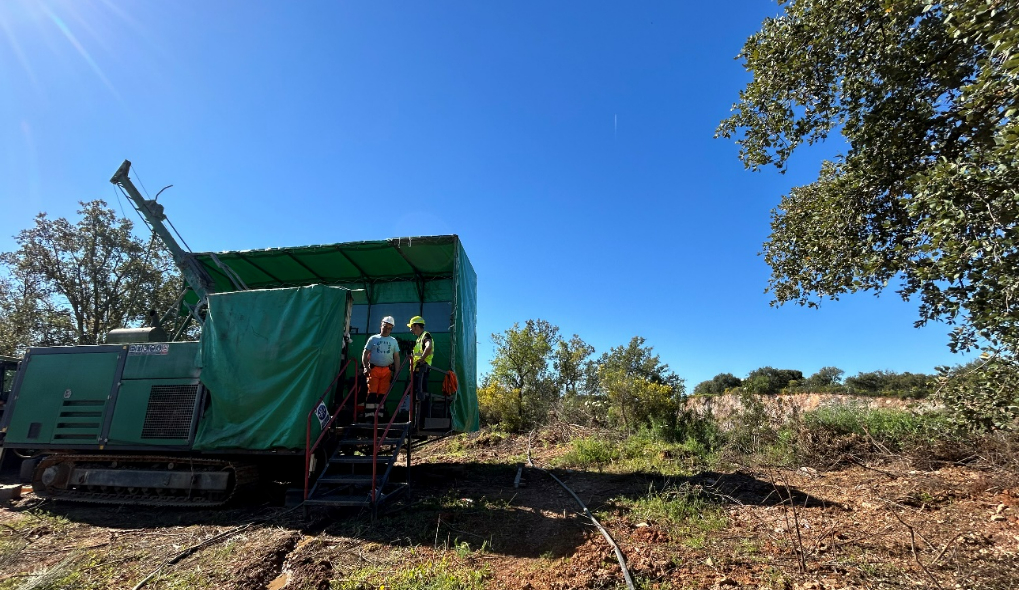
“Portugal has been under the radar compared to Spain, which has gained attention recently,” EuroPacific CEO Karim Rayani said.
Portugal's mining industry is a mix of traditional base metal mining and emerging opportunities in critical minerals like lithium, supported by a favorable regulatory environment and significant potential for future growth.
“Portugal offers the same geology and terrain, and it's a great area to work in,” Rayani said. “The project is 2.5 hours northeast of Lisbon, easily accessible by road, making it ideal for development.”
The Iberian Pyrite Belt (IPB) is a major mineral-rich geological formation spanning southern Portugal and southwestern Spain. Known for its significant polymetallic deposits, including copper, zinc, lead, silver, and gold, the IPB has a mining history dating back to Roman times. Major mines like Neves-Corvo and Riotinto are key economic contributors, providing jobs and export revenues.
Merging history with innovation
Modern mining technologies and strict environmental regulations are applied to manage the IPB's extensive mining activities. Ongoing exploration efforts aim to uncover deeper deposits, balancing economic benefits with sustainability and environmental responsibility.
Miguel Vacas has been worked on before. The 320-square-kilometre project was explored intermittently since the 1950s by various majors but remained dormant until EuroPacific began its recent program. A past producer with artisanal mining, Miguel Vacas holds an estimated historic resource of around 15 million tons, including oxidized and sulfide ores.
EuroPacific is currently conducting infill drilling down to 200 meters.
Notably, the discovery of a broad broken mineralized interval and the identification of a NW-SE fault signify substantial advancements in uncovering previously untapped mineralized zones.
“We've seen continuity in the first three holes and discovered a new zone to the north,” Rayani told Proactive.
“The other two holes show promising copper mineralization throughout. If our estimates are correct, we should establish a new resource calculation of 15 million tons at the 200-meter level.”
EuroPacific's path to resource expansion
The company is progressing with its drilling program, with five holes now in the ground.
Assays from the first drill hole revealed a continuous intercept of 22.8 meters grading 2.76% copper (Cu), including 9 meters grading 7.49% Cu.
“These numbers are extremely exciting, especially for a first hole,” Rayani said. “We're thrilled with the initial findings.”
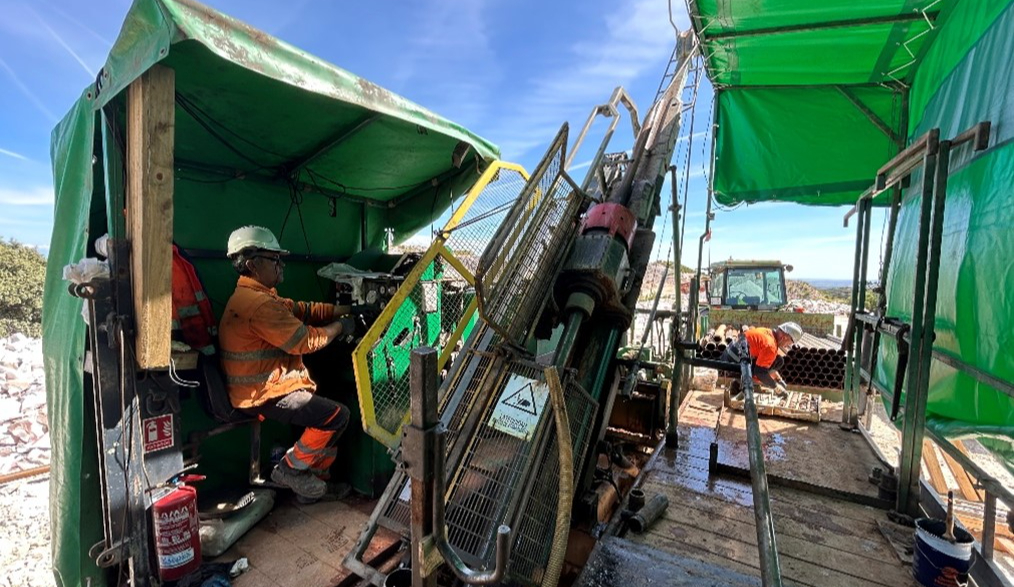
EuroPacific has completed a total of five holes, with all intercepting the main cupriferous breccia/shear zone. The sixth hole, the southernmost to date, is currently in progress.
Initial core recovery issues due to the porous nature of ore zones have been addressed with the Triplex Core Barrel System, improving recovery rates from 65% to 87%.
Future steps will include step-out drilling to assess the sulphide-rich portion of the deposit below the oxidized layer, where chalcopyrite and pyrite are predominant.
“We've already discovered a new system extending northward. However, our primary focus remains on deepening our understanding of the historic zone and utilizing existing permitting for potential small-scale operations,” Rayani said.
According to Rayani, it was crucial to verify historical data through modern drilling techniques.
“Duplicating or even surpassing historical results is remarkable,” Rayani added. “Our findings indicate potential resources between 15 and 20 million tons initially, with plans for deeper exploration in the next phase.”