
Companies are accelerating their shift towards electrification with a comprehensive strategy aimed at industrial and automotive applications.
Take Stellantis, for instance, the owner of iconic brands like Dodge, Fiat and Jeep. The company has ambitious milestones, including transitioning 100% of European sales and 50% of US sales to electric vehicles (EVs) by the end of the decade. By 2030, they plan to offer over 75 EV models and achieve global annual EV sales of 5 million units. Its efforts prioritize factors like range, charging time, affordability, and choice, aiming to offer industry-leading features and driving ranges of 500 to 800 kilometers.
Within this context, Stellantis is collaborating with Austin, Texas-based Ideal Power Inc (NASDAQ:IPWR) to enhance EV drivetrain technology, aiming to improve efficiency and reduce costs. Ideal Power is developing and commercializing its bidirectional semiconductor power switch, which has applications beyond electric vehicles. Ideal Power’s patented B-TRAN (Bidirectional, Bipolar Junction Transistor) semiconductor technology is a unique double-sided bidirectional AC switch, which offers substantial performance enhancements compared to conventional power semiconductors currently in use. That means less conduction and switching losses and lower operational expenses in AC power switching and control systems.
In this interview with Proactive, Ideal Power CEO Dan Brdar elaborates on how this technology, as well as its SymCool power modules, are becoming a critical component of the global push towards electrification.
Proactive: It's clear Ideal Power is making significant strides in the industry. Could you expand on the importance of your SymCool power modules in solid-state circuit breaker applications and how they contribute to enhancing safety and efficiency?
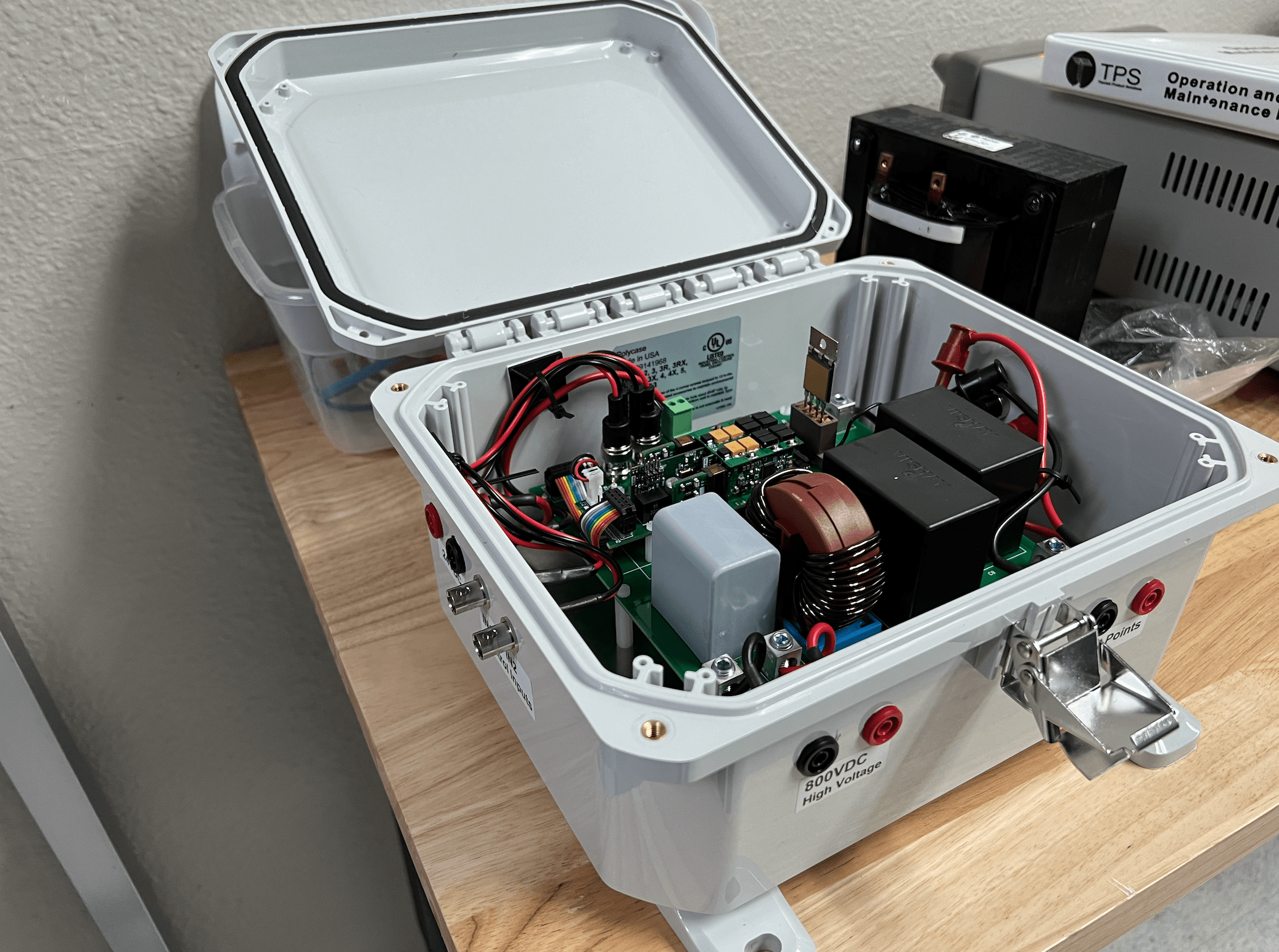
Dan Brdar: SymCool is our first commercial product and targets circuit protection and solid-state circuit breakers. We’re going through this electrification of society, with increasing adoption of electric vehicles and solar power that needs extensive EV charging infrastructure and protective measures for equipment connected to the grid. Equipment failures can cause faults that damage other systems, necessitating quick-acting circuit breakers. Traditional mechanical breakers are slow, increasing the risk of fires and equipment damage. In contrast, solid-state circuit breakers operate over 100 times faster, preventing arcs and reducing fault severity. With a growing number of grid-connected devices, solid-state circuit protection, using semiconductors, enhances system safety and reliability.
Our technology offers conduction losses up to five times lower than conventional semiconductors, making it highly competitive, especially in bidirectional applications. This efficiency drives interest from large companies eager to develop solid-state circuit breakers, a long-desired industry goal hindered by high conduction losses in conventional devices. Lower conduction losses reduce heat dissipation needs, minimize breaker size, and conserve energy.
Why is Stellantis so interested in Ideal Power’s B-TRAN technology?
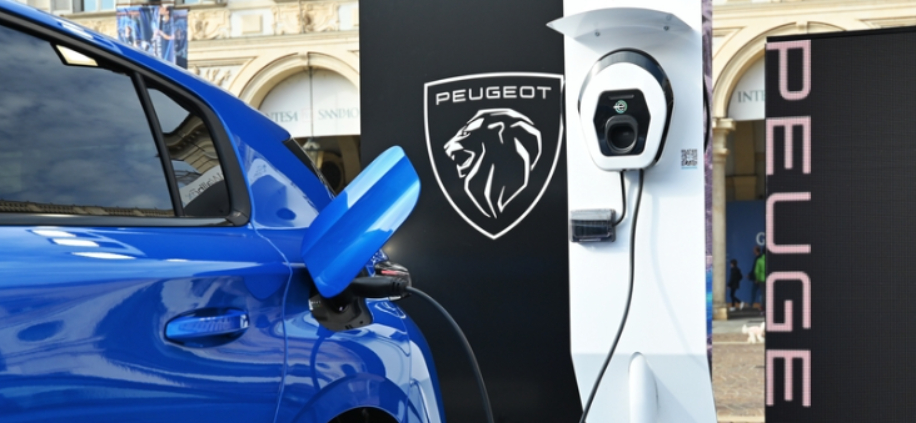
Electric vehicles face two challenges for mass adoption: high costs and range anxiety. They’re significantly more expensive, and the range often falls short of advertised figures, especially in cold weather. EV charging infrastructure is still years away from being fully developed. So, automakers are focused on reducing costs and improving range. While batteries are the most expensive component of an EV, semiconductors are the second most costly. Reducing their costs while enhancing range can effectively address both issues. This need drives interest in our technology.
With the completion of Phase II with Stellantis and the transition into the next phase of your program, what are the anticipated timelines for the development and integration of your B-TRAN technology into their next-generation EV platforms?
We’re now entering the phase where Stellantis communicates with tier-one suppliers, asking for proposals for drivetrain inverters incorporating our B-TRAN technology. Stellantis will select which tier-one suppliers to work with, and we will start the automotive qualification process of providing numerous devices to a third party for extensive testing. The goal is to have a production-ready module incorporating our technology by next year.
It's not just EVs where this technology is applicable, correct? It’s a wide range of industries.
The devices have numerous applications, including solid-state circuit breakers, solar energy systems for businesses or utilities, energy storage for grid backup and demand charge reduction, and large industrial motors controlling speed and operation. They are also used in UPS systems for data centers to protect against grid disruptions. This market has wide applicability and is expected to grow significantly, driven by the rise of renewables and electric vehicles. For us, the addressable market is projected to reach about $7 billion by 2028, growing at a 16% compound annual growth rate.
Could you provide more details on the recent commercial shipments of SymCool power modules? How do these shipments align with your overall sales strategy, and what impact do you anticipate them having on revenue growth?
We currently ship to several companies, including a Forbes Global 500 company, aiming to bring solid-state circuit breakers to market. Our product will generate initial commercial revenue as these companies scale up their offerings.
Looking ahead, what are the key milestones and objectives that Ideal Power aims to achieve in the remainder of 2024 and beyond, especially in terms of product development, customer acquisition, and revenue growth?
We want to see our SymCool Power Module integrated into solid-state circuit breakers by multiple companies for industrial and utility equipment. Another product, our SymCool IQ Intelligent Power Module is set to launch later this year and targets renewable energy and energy storage. We want to see some of these automakers include us in their designs, which would give us a path to significant volumes. Longer term, we are developing innovative products as part of our long-term technology roadmap.

Dan, you’ve been a part of the energy industry for your entire career. What do you make of where we are at this juncture?
We're going through a fundamental transition, figuring out how to deal with the widespread adoption of solar and wind. How do we transition away from the use of gasoline and diesel for our transportation sector, and how do we put all this together in a way that is cost-effective and reliable? It's a fundamental change that has been a long time coming. But is that really an outreaching reality? I think it's going to introduce some new and interesting challenges to make everything work together and get us to where we'll ultimately go.
Finally, how does Ideal Power envision its role in shaping the future of power semiconductor technology, and what are the company's long-term aspirations in this regard?
It's important for people to understand how critical power semiconductors are in our lives today. Most don't realize they use them daily, whether in the motors of refrigerators, washers and dryers, or in converting solar energy into useful power. Improving and evolving these technologies, including adopting state-of-the-art advancements like B-TRAN, allows everyone to participate in the adoption of new, energy-efficient technologies as they become more cost-competitive and efficient.