
As the demand for EVs continues to rise globally, the availability of high-quality lithium spodumene becomes increasingly vital for the mass adoption of electric vehicles.
It’s no surprise that Volta Metals Ltd (CSE:VLTA), a burgeoning company focusing on hard rock lithium exploration in Northwestern Ontario, is eager to become part of the North American EV battery chain. With a keen eye on early-stage projects, Volta has just started uncovering promising discoveries across its 12,000-hectare portfolio, including a cluster of lithium-bearing pegmatites showcasing consistent high-grade nature.
As they delve deeper into exploration, their strategy encompasses systematic trenching, sampling, and soil geochemistry to uncover additional targets and test them at depth. Their inaugural drilling confirmed the continuation of the high-grade nature of the stacked pegmatites found on surface at depth. The company has discovered and already drilled the property in a very short amount of time. This first swarm of lithium pegmatites remain open at depth and strike. The company has also identified multiple targets to follow through by soil sampling and magnetic survey.
Their approach emphasizes thorough groundwork before advancing to substantial drilling, drawing inspiration from successful precedents in the industry.
With only 15% of its properties explored and strategic positioning in a lithium-rich region, Volta Metals is poised to make significant strides in the exploration landscape.
Proactive caught up with Volta Metals CEO Kerem Usenmez to discuss the company’s unique strategy to get its projects up and running.
Proactive: Could you introduce us to Volta Metals?
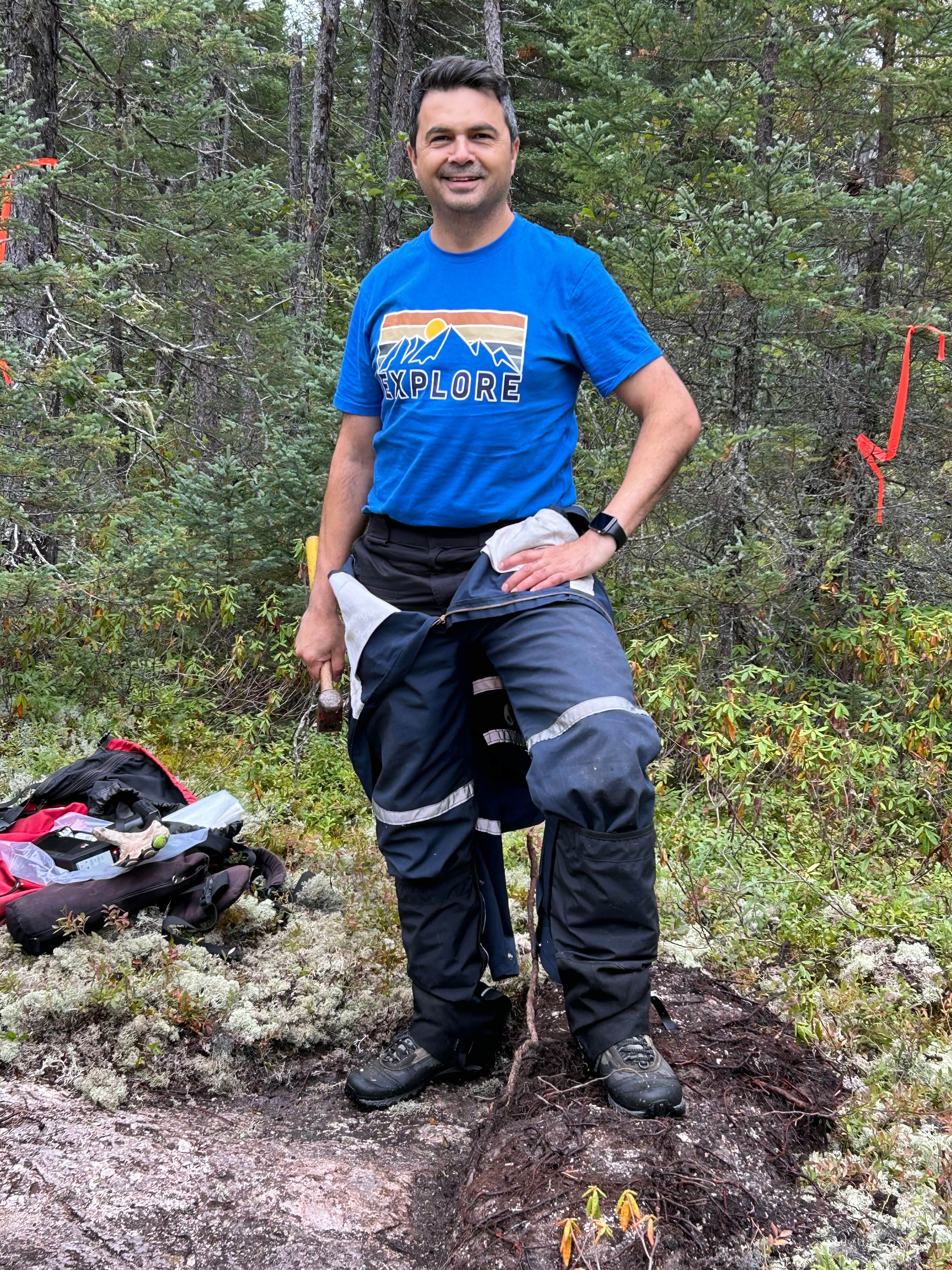
Kerem Usenmez: Volta Metals is a relatively new company focused on hardrock lithium exploration in Northwestern Ontario. Our land package is in the early stages, with one project showing high-grade discoveries in a short time frame. We identified a swarm of lithium pegmatites in a small area, with initial drilling confirming continuation of high-grade lithium mineralization at depth, which remains open. Inaugural drilling revealed an additional blind pegmatite at depth, suggesting further potential. Our next steps involve testing at depth and strike and following up on high probability targets identified from soil sampling combined with mag survey, to generate more targets, and further utilizing geophysics and soil sampling due to limited outcrops in the area. We plan to extend exploration to other properties in the coming months.
Could you share some insights about the type of lithium found in Ontario? I understand it's pegmatite-based. Is this the typical lithium formation we anticipate in this region of the province?
The geological landscape is akin to North Carolina and Australia, featuring hard rock lithium pegmatites cutting through the Greenstone belts—ideal for lithium exploration. Accessibility was a key criterion in selecting our properties, ensuring cost-effective, year-round exploration. We focus exclusively on hard rock lithium exploration due to our team's extensive expertise in this field. Notably, Ontario hosts two types of lithium deposits, with spodumene boasting the highest grade for battery applications—pretty much the premium lithium mineral.
If lithium deposits are confirmed, would this project potentially integrate into the North American battery value chain?
One hundred percent. Hard rock lithium deposits are relatively closer to production. One could argue that permitting might take some time, but aside from that, in terms of the technical aspects, it's easier, more environmentally friendly, and quicker to take it into production. Canada is fortunate enough, especially in the eastern half of the country, to have potential in Nova Scotia, Quebec, Ontario, and Manitoba. We're literally right in the middle of that whole lithium belt, so it's pretty straightforward. It's exposed on surface, with minimal ground disturbance. Water can be recycled for processing, and there are absolutely no deleterious elements in these rocks - no sulfur, no arsenic, nothing like that. It's pretty clean in that way.
Could you delve a bit deeper into Falcon West? It seems to be the current focus of the company. What aspects of the project are particularly exciting to you?
There are a number of things that excite me. First of all, we are fortunate enough to work very well with our First Nations partners, without their support, we cannot have discoveries we have made so far. Both of our neighbors on either side of our Falcon West project have yielded really good results within the same geological context. What I find intriguing is that our land remains largely unexplored, despite being within the same geological and mineralization setting. So, within a very short period, we've already made multiple discoveries and identified some indicator minerals in the vicinity, which gives us confidence that there's more to uncover. However, we also need to conduct further exploration across the entire property to fully understand its potential before moving forward. That's our main focus right now.
Who are those neighbors on either side?
We have Green Technology Metals and Battery Age Minerals on either side of us. Green Technology, an Australian company, has over 10 million tonnes of resources and is conducting a feasibility study. Battery Age Minerals, also listed in Australia, is ahead of us by about six months to a year in exploration. They've had successful drill programs with high-grade intercepts similar to ours. Seeing the promising results on both sides of our geological setting, it would be surprising if we didn't find anything further.
Australia is one of the leading countries in hard rock lithium, isn't it? So having them in the neighborhood is almost a vote of confidence.
When you talk to any Australian who comes here, they see the exact same geology as they've experienced in Australia. Australia is the biggest hard rock lithium producer in the world. They know how to explore and what to look for in good properties and projects. We collaborate with our neighbors and discuss their findings, which is very encouraging. They see the same potential in Ontario as the next hard rock lithium producer, with more discoveries to be made.
For a relatively early drill program, you've made some significant discoveries. How do you plan to follow up on those this year? I would imagine there's some temptation to quickly drill holes and generate excitement in the market with results, but it appears that's not your approach here.
Instead of a small drill program, our thinking is to uncover more of this ground before conducting more substantial drilling. We've seen successful stories like Patriot Battery Metals and what they did when they discovered their first swarm of pegmatites. They were a $4 million market cap company. We're at that stage with a similar market cap. We've found our first swarm of lithium-pegmatites but haven't explored the rest of the property yet. I'm not saying we'll have the same story, but technically, what they've done has been fruitful, and we'll probably follow the first steps they took.
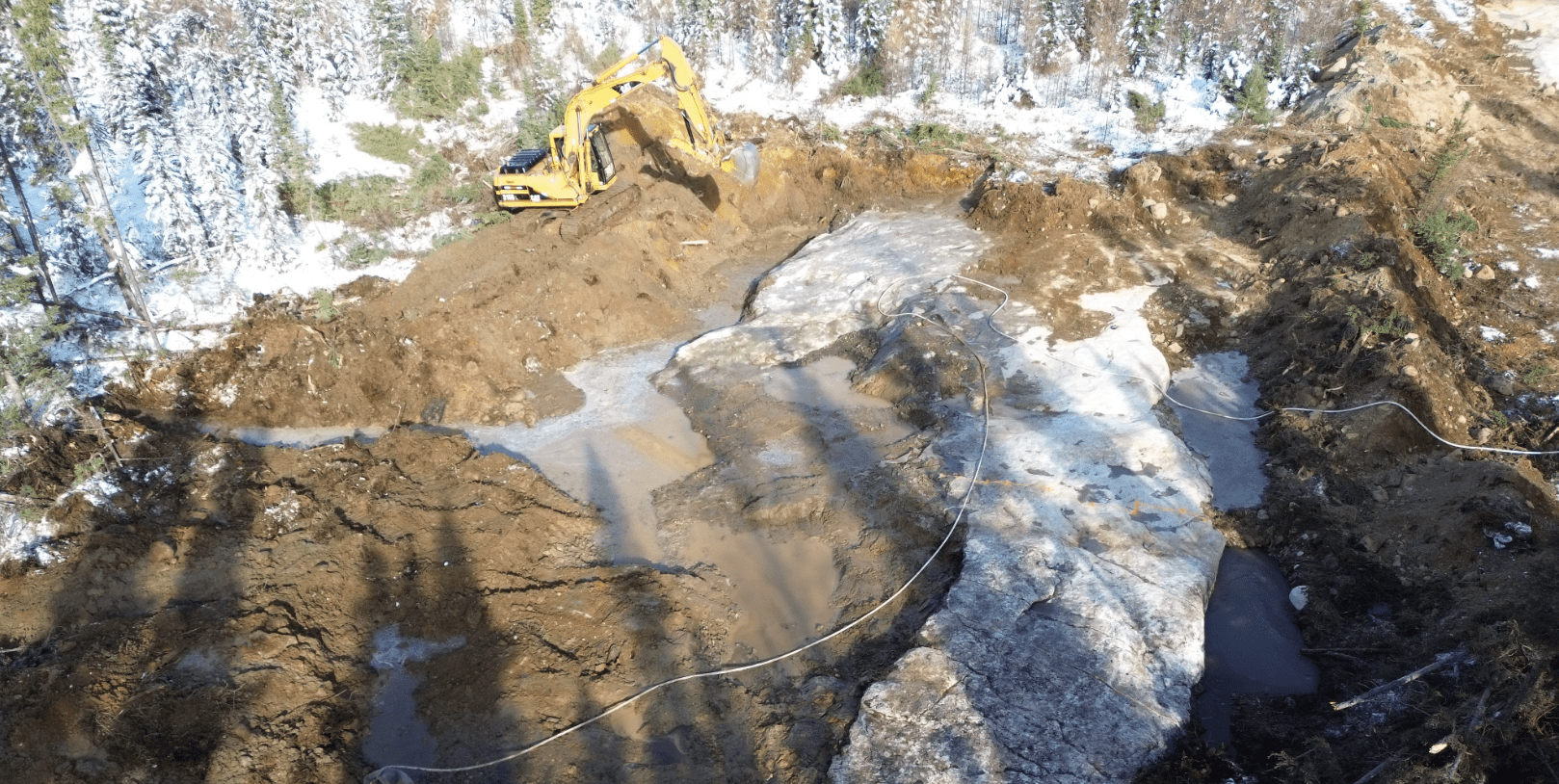
Initially, we aim to target the low-hanging fruit, which are the higher anomalies identified through soil geochemistry, similar to our successful neighbor Green Technology Metals. We've noticed smaller anomalies of pathfinder minerals around and above the discovered pegmatites, indicating larger targets for more discoveries beyond our initial findings. We plan to conduct systematic trenching, sampling, and possibly excavator work to explore these areas further. Additionally, we'll continue systematic soil geochemistry to generate more targets for future drilling, allowing for both follow-up on previous discoveries and pursuit of new ones.