
Barclays analysts have weighed in on some of the potential consumer trends in 2024, explaining what could happen if these events do indeed come to fruition.
As an annual exercise for the Barclays analysts, last year the experts correctly predicted HMOs being approved in China, Danone (OTCQX:DANOY)’s European dairy and plant-based division improving and beer stocks outperforming spirits.
So, what are they predicting this year?
Ultra Processed Food (UPF) risks
UPF’s are pretty self-explanatory; foods that include ingredients, chemicals, sweeteners and preservatives that most wouldn’t find in their kitchen cupboard.
As expected, they’re not good for you and new research into the health risks continues to drive consumer awareness, with Google searches for the word ‘UPF’ jumping 60% in the last year.
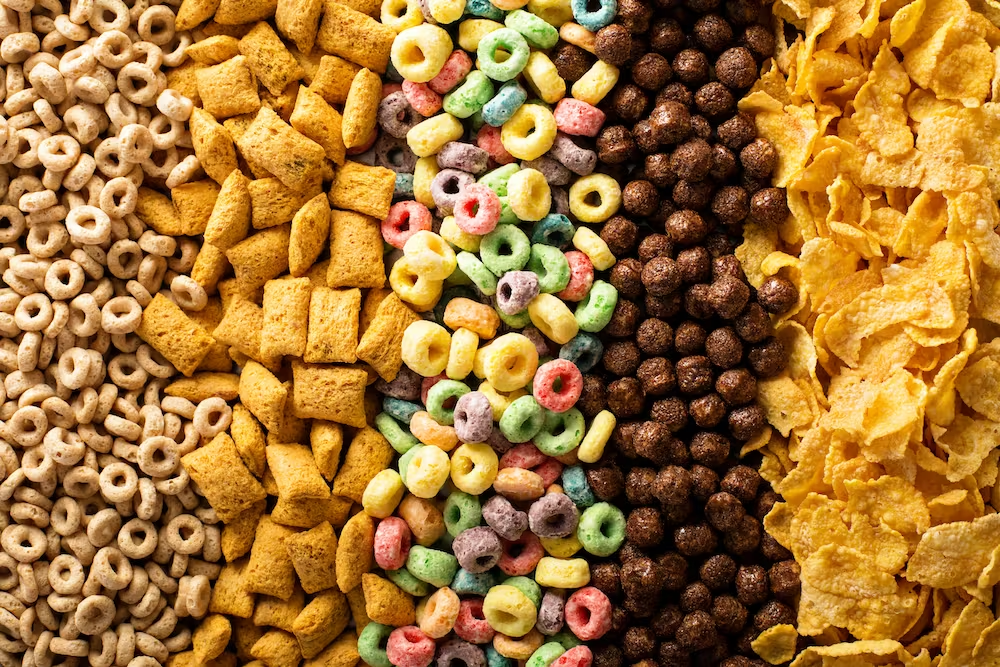
Cereals are often UPFs Source: The Conversation
Barclays is aware that it will take time for government action to reduce the reliance on UPFs in people’s diets, meaning that short-term volume and earnings estimates are unlikely to be affected this year.
Yet experts at the bank are confident that if the market begins to discount valuations to account for UPF exposure the impact on share prices could be “much more sudden”.
Companies with high exposure to UPF:
- Ingredion
- Corbion
- Tate & Lyle
- AAK
- Hershey
- Campbell Soup
- Kraft Heinz
- Lindt
Chinese tourists shopping luxury
At the start of last year, China eased its lockdown restrictions and soon after a swathe of Chinese tourists, whose pockets were filled with disposable income, headed to luxury stores to pick up high-end goods.
The trend allowed Bernard Arnault, boss of LVMH, to briefly become the world’s richest man and saw shares in the sector soar.
However, the second half of the year wasn’t quite the same and after a weakening of demand, especially in the US, the sector began to lag, with Barclays going as far as to downgrade the whole European luxury industry.

The former world's richest man Source: Forbes
“We think Chinese consumers and particularly Chinese tourists could be the main growth driver for the Luxury sector in 2024,” Barclays said.
It explained that there is still a large group of Chinese travellers, mainly from the middle class, still yet to return to Europe to shop for luxury goods.
Barclays believes this implies scope for recovery as initial data highlights that Chinese tourists are still willing to travel.
Should the tourists return at the rate predicted, the sector is expected to see growth of around 5%.
However, if they fail to return in full force this could cause sector growth to be 2pts lower at 3%.
European luxury stocks include:
- LVMH
- Kering
- Hermes
- Burberry
- Ferrari (NYSE:RACE)
- Richemont
Supermarket success?
Coming off a better-than-anticipated 2023 for most supermarkets, Barclays reckons 2024 could pave the way for solid sales growth, further margin recovery, strong cash generation and capital returns to shareholders.
Share prices for the two key listed players, Sainsbury’s and Tesco, look much stronger than a year ago but Barclays has been quick to point out that the latter’s PE multiple remains at the lower end of its five-year range.
Despite possible wariness in the market, analysts at the bank think some concerns surrounding the sector are overstated.
Barclays believes that despite a retreat from peak food inflation dampening sales growth, sporting events and more normal weather could offset part of this.
Higher staff wages could pose trouble in 2024, but this should be offset by energy costs switching from being a headwind to a tailwind.
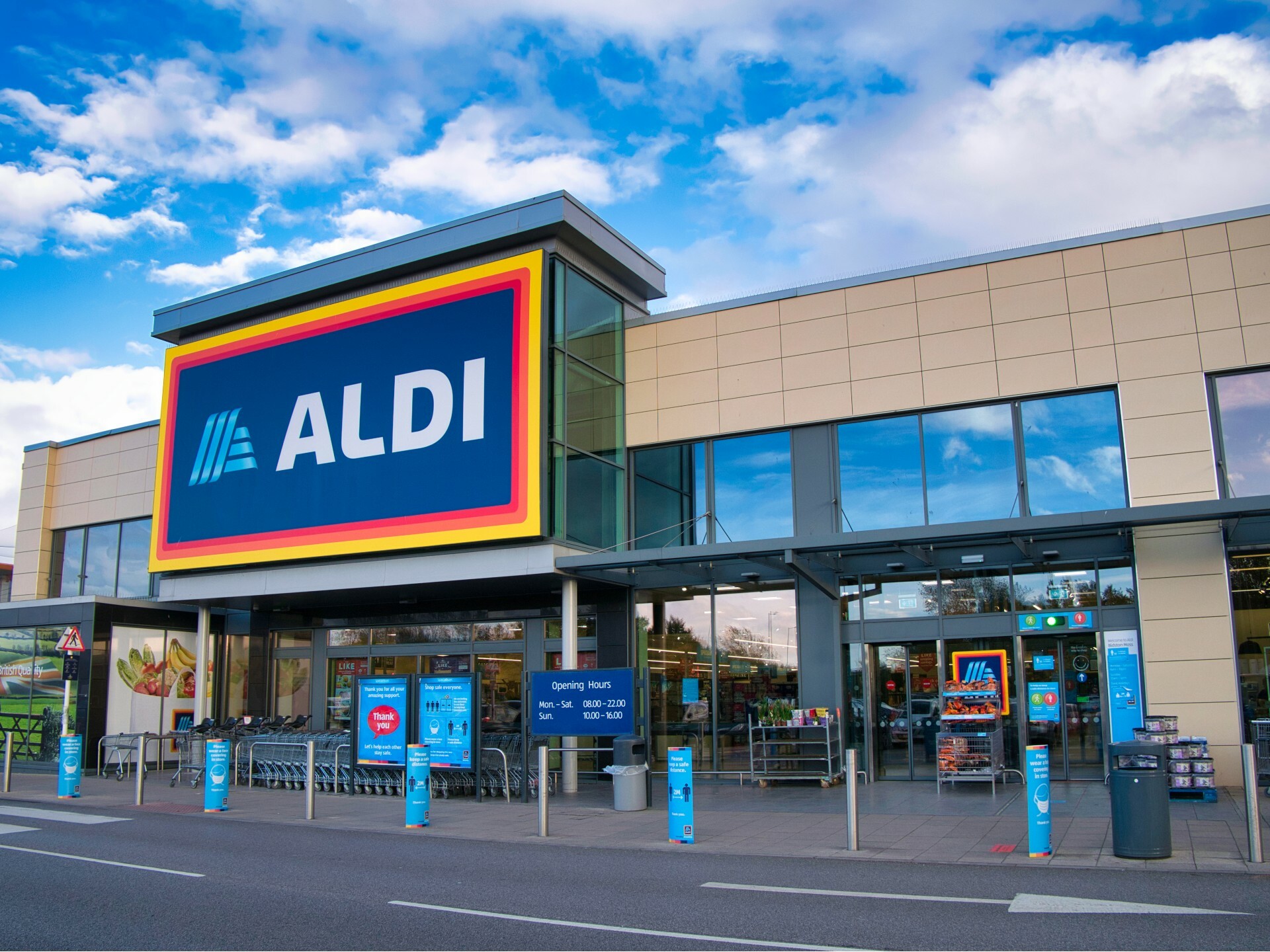
The UK's fourth biggest supermarket Source: TimeOut
Additionally, market share isn’t expected to be picked up by last year’s losers like Asda, Morrisons or Waitrose.
Barclays expects discounters like Lidl and Aldi to pick up some share due to being the only companies to be opening new stores, but it warns that discounter sale growth could slow.
“While we do not suggest that everything is rosy for the UK grocery sector, we think that the two listed players have strong sales momentum and they both appear increasingly confident of their own abilities,” the UK bank explained.
“While we maintain our Overweight stock ratings on both names, we see more catalysts for Sainsbury over the coming months, but we prefer Tesco if we look at the year ahead overall.”