
ASOS PLC (LSE:ASC) is facing a huge uphill climb regarding its turnaround strategy.
If it does reach the summit, a whole host of short sellers, environmental activists and almost every retail entrepreneur in the UK– bar Mike Ashley – are likely to be very surprised.
Shares in the e-commerce group slipped over 10% on Wednesday after a terrible set of full-year results which saw an almost £300 million pre-tax loss and downgrades for 2024 guidance.
Despite these tailwinds, the company is navigating two different strategies, the combination of which appears to be one of the biggest problems for the fashion group.
Stock woes
At the end of the pandemic, Asos was flying high: shares were at the highest point since 2018, customer demand had rallied and talk of moving from AIM to the main market had buoyed investor sentiment.
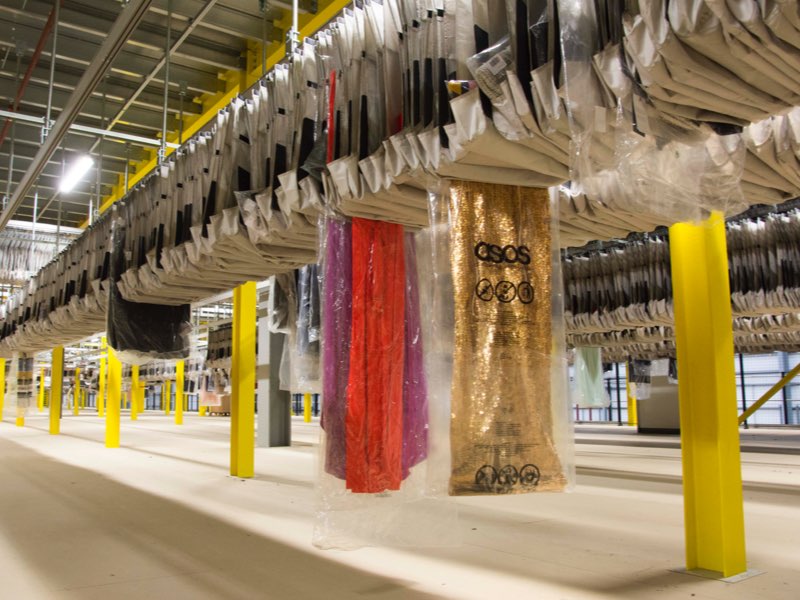
The group took on one key risk by building up a huge inventory of clothing as management clearly expected the online shopping boom to continue, even after high streets were back open after the height of the pandemic.
This was not the case.
Wearing away at profits Source: company
Instead, Asos has been stuck with a huge pile of stock, which it has been unable to shift, leading to huge discounts and in turn weaker margins.
Stock levels did drop by 30% year-on-year in 2023 and CEO Jose Antonio Ramos Calmamonte expects the inventory reduction to bring in cash to help reduce the group’s enormous debt pile by the 2024 fiscal year.
Russ Mould at AJ Bell is not completely convinced, saying: “The plan to reduce inventory… makes perfect sense, but the problems are clearly deep-rooted, and the economic and competitive backdrop is equally unhelpful.”
Are rivals doing it better?
But huge stock inventories aren’t always the toughest challenge, just look at adidas AG (OTCQX:ADDYY).
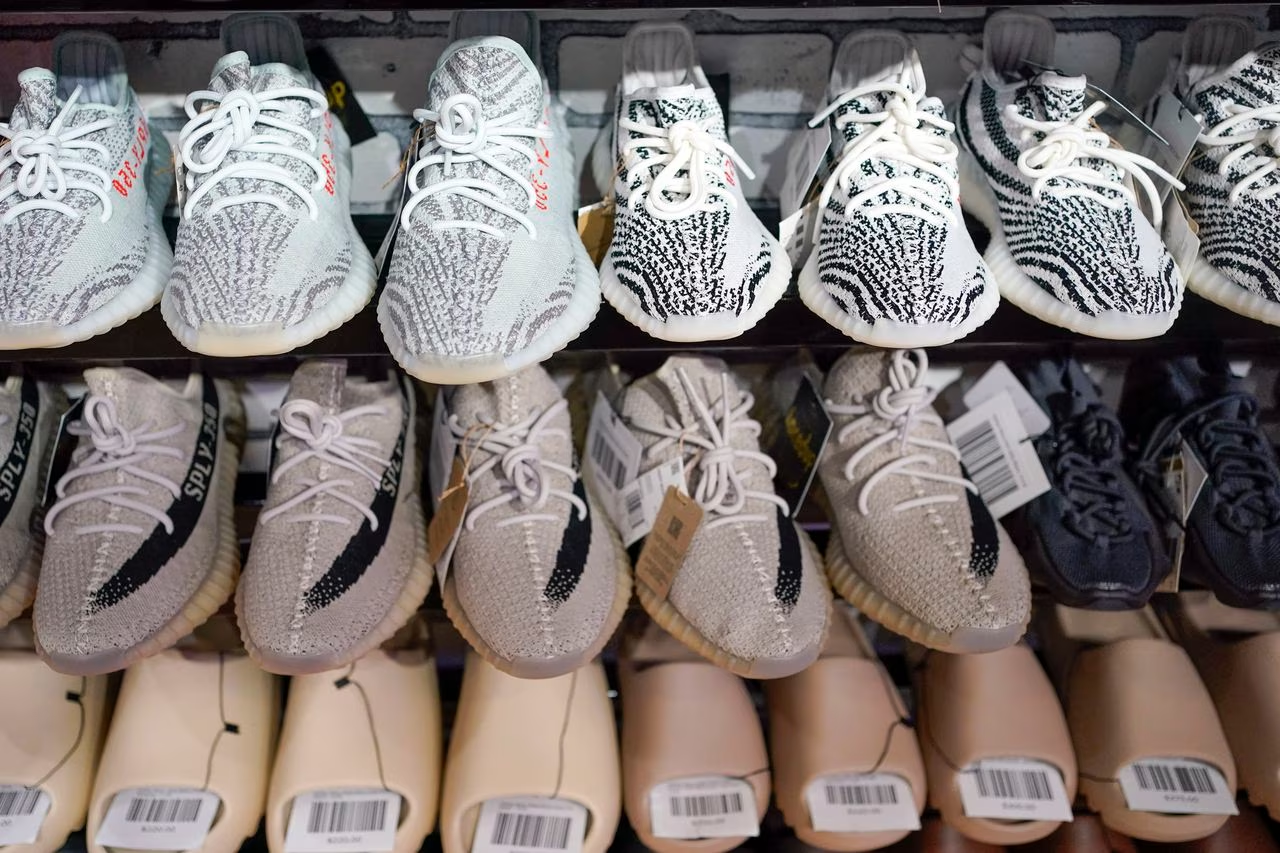
Adidas was faced with close to €500 million worth of Yeezy stock last year after the German retailer cut ties with rapper Kayne West over his antisemitic comments.
Initially, it expected to suffer around a €450 million loss because of the impairments but the group launched two separate “drops” for the excess stock, which – while also raising cash for charity – helped reduce losses by €350 million for the full year.
Yeezy stock Source: Oregon Live
Helped by not being overly geared, Adidas, leveraged at around 57%, had wiggle room to face the write-downs of the stock, without having to worry about the debt pile spiralling out of control.
Asos isn’t as lucky, currently leveraged at 132%, the group’s net debt sits at £319 million, from £152 million in 2022, meaning there is a larger onus on shifting the stock while avoiding as few write-downs as possible.
“With net debt and cash outflows rising, an £80m equity raise was needed last year to help shore up the balance sheet. This isn’t usually a good sign for existing shareholders as it waters down their stake in the company,” Aarin Chiekrie, an analyst at Hargreaves Lansdown, said.
Driving too much change?
Asos confirmed it would be delivering around £300 million in benefits because of its new scheme ‘Driving Change’, which replaces ‘Asos Reimagined’.
Under the new agenda the group aims to:
- Change approach to stock to improve levels and drive full-price sales
- Improve order profitability
- Reduce costs
- Fix the balance sheet
- Refresh the culture “at all levels”
Aiming to return to a fashion-focused operation centred on bolstering relationships with consumers, the group has left itself with a positive route out of trouble.
“Despite overall profit coming in lower last year, profit per order was up over 30% as the group streamlined its offering and narrowed its focus on higher-quality, more profitable customers,” Chiekrie added.
However, it appears Asos may be jumping the gun on parts of its agenda.
Inventory still needs to be managed, and as more discounts are scheduled for the upcoming year, it may prove difficult to improve profitability and stock turnaround, while also improving customer relations until this is done.
Should'a Shein it coming
Looming on the other side of the planet is Shein, one of the world’s largest fast fashion retailers.
“Consumers are choosing their purchases more carefully as purses and wallets are squeezed and nimbler rivals like Shein are proving to be formidable competition as they offer an alternative product and price range,” Russ Mould said.
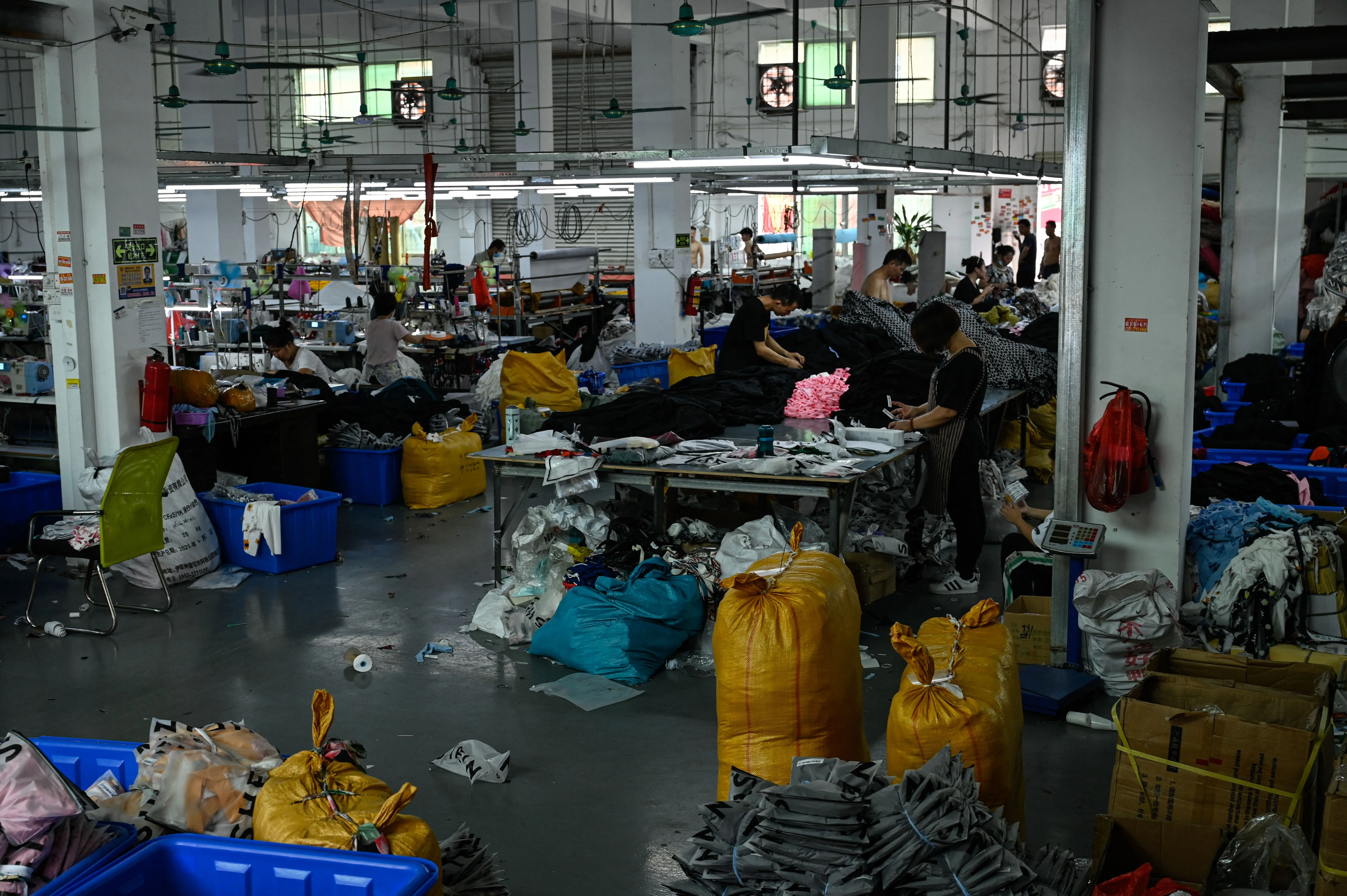
Much to the dismay of environmental activists fighting for the extinction of fast fashion, Shein is dominating the industry, offering shoppers clothing at dirt-cheap prices and speedy delivery.
The not-so-glamorous side of fast-fashion Source:Observer
While the financials at the privately-owned Chinese firm remain slightly more hidden in comparison to Asos, it is rumoured to be valued at around US$68 billion, making it the perfect size to swoop in and acquire a company with a £400 million market cap.
Shein confirmed it was teaming up with Mike Ashley’s Frasers Group PLC (LSE:FRAS) earlier this week after the London-listed company sold its Misguided brand to the Chinese retailer.
Analysts are confident more deals are on the way between the two, with potential for distribution agreements and the launch of return hubs for Shein at Fraser-owned stores being rumoured.
“Shein has become a major force in online retail and is one of the key reasons why the likes of ASOS and Boohoo are struggling,” Mould noted.
Interestingly, Ashley’s firm has been building up its stakes in both Asos and Boohoo for some months and is now the largest shareholder in Boohoo and the third largest in Asos.
Much of Ashley’s plans can seem chaotic or confusing but often appear to make sense in retrospect, and the partnership with Shein seems to echo just that.
Does the billionaire know something retail investors don’t? Will Asos ever reach the summit?
Only time will tell.