
Scrapping inheritance tax, as prime minister Rishi Sunak is thought to be reportedly weighing, would remove a growing revenue source for the Treasury, provide the biggest benefit to the richest 1% in the UK, and hit the London Stock Exchange's AIM market, according to new analyses.
Reforms to the IHT system such as cutting the 40% headline rate and scrapping the levy altogether are said to be on the table for consideration in Downing Street, as the government prepares for a general election to be called next year.
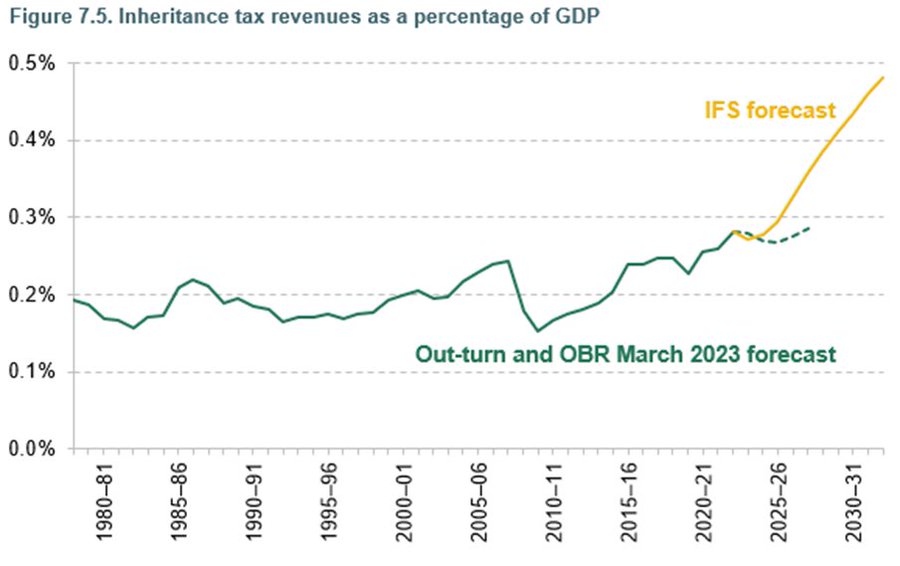
This year the tax is forecast to raise about £7bn, the Institute for Fiscal Studies said in a report today, showing the size of the impact that abolishing the levy altogether would cost the country.
Tax revenue from IHT is expected to double in the coming years, the researchers predicted, with more people forecast to die in the next decade with high levels of wealth.
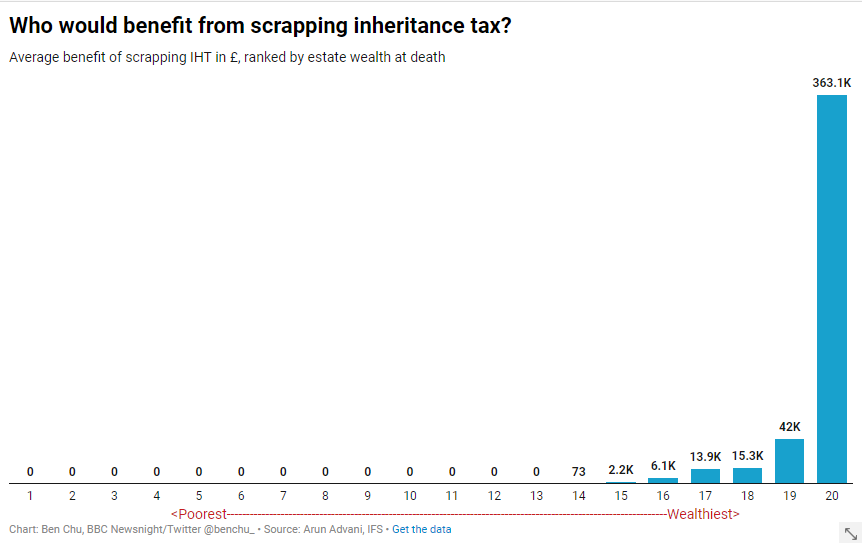
Moreover, the IFS study suggested it would disproportionately favour the wealthy, with around 47 per cent of the benefit going to households with an estate worth £2.1 million after a person’s death, around 1% per cent of all UK estates.
This group would receive an average tax cut of about £1.1 million, IFS research economists Arun Advani and David Sturrock calculated.
IHT affects fewer people than expected, the report also noted, mostly being applied to estates above £1 million, so is historically paid on only about 4% of deaths, which has risen to around 5.5% in the current year or roughly 9% if you count when an estate has been passed to a spouse who then died.
IHT reliefs are also being examined, which is where AIM comes in (and the agricultural sector).
Estates that hold lots of AIM shares can pass them on tax-free, with any capital gains also ignored.
So, abolishing IHT would be a "massive blow" for the AIM market in the short term, said Nicholas Hyett, investment manager at tax-efficient investment specialist Wealth Club.
He said there are billions of pounds invested in specialist AIM products precisely because of its potential to mitigate IHT bills.
"Withdrawing that relief would inevitably hit company valuations and has the potential to create serious market disruption," Hyett said, with the tax relief on AIM designed to encourage investment into smaller fast growing companies and the jobs and economic growth they should create.
He said it is "highly unlikely", however, that the government will abolish IHT as it is "simply too much of a cash cow".