
After BAE Systems PLC (LSE:BA.) announced the takeover of Ball Aerospace, its shares fell more than 4% as investors perhaps baulked at the US$5.6 billion price tag, the company's biggest ever acquisition.
But the negative reaction could also be a reflection of the lack of understanding about what the purchase from the world's biggest drinks can maker brings for the FTSE 100 defence group.
Two simple points to start, it strengthens BAE's position in the US, where it already generates the majority of its revenue, and also adds firepower in the fast-growing space sector.
Who is Ball Aerospace?
Headquartered in Colorado, Ball's aerospace business has more than 5,200 employees, of which over 60 hold US security clearances.
Ball, which specialises in making cans for beer and soft drinks, put the business up for sale earlier this year.
Its aerospace business specialises in supplying satellite systems, geospatial intelligence, tactical solutions and antenna arrays. These instruments and sensors are used for a range of industries from space travel to weather forecasting.
For a couple of examples, it was the prime contractor for the US Air Force Space Test Program’s satellite program, building the overall system including the spacecraft and standard payload interface design, space vehicle environmental testing, and launch and mission support, and earlier this year won a 10-year contract to support the NOVASTAR program operated by the National Air and Space Intelligence Center.
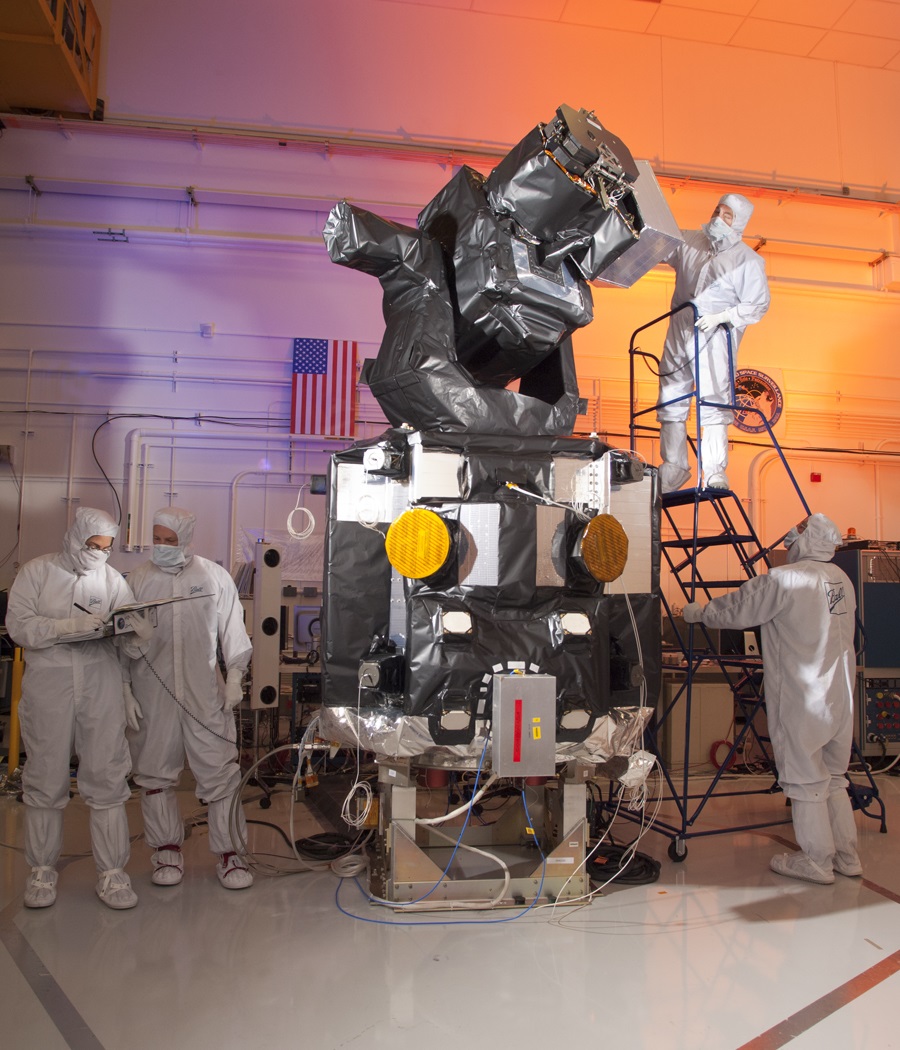
Ball's SBSS Block 10 space vehicle (Photo: Ball Corp)
BAE is also getting missile and munitions manufacturing units.
Several of these strengthen BAE's position in what the defence sector calls C4ISR: command, control, communications, computers, intelligence, surveillance and reconnaissance.
Ball Aerospace's customer base includes the US Department of Defense, NASA, Intelligence agencies, non-defense agencies and numerous commercial customers.
The business that BAE is buying is expected to generate roughly US$2.2 billion in revenue this year and US$310 million of underlying profits (EBITDA), it said, predicting the Ball businesses will grow revenue by around 10% over the next five years.
What are the crossovers and new markets for BAE?
The UK company called it a “golden opportunity” to add several factors it has long hankered for, especially strengthening its ties with the US defence and space industries.
Currently, BAE makes most of its revenue from contracts in the US, followed by the UK and then Saudi Arabia.
BAE's existing arms manufacture products including Dreadnought warships and Queen Elizabeth-class aircraft carriers, the Anglo-Australian-US AUKUS submarines, parts for the F-35 fighter jet, is part of the consortium that makes the Eurofighter Typhoon fighter jet. It also is a leading supplier of cyber-security, -intelligence, and -security capabilities to government agencies, and a growing supplier to commercial customers.
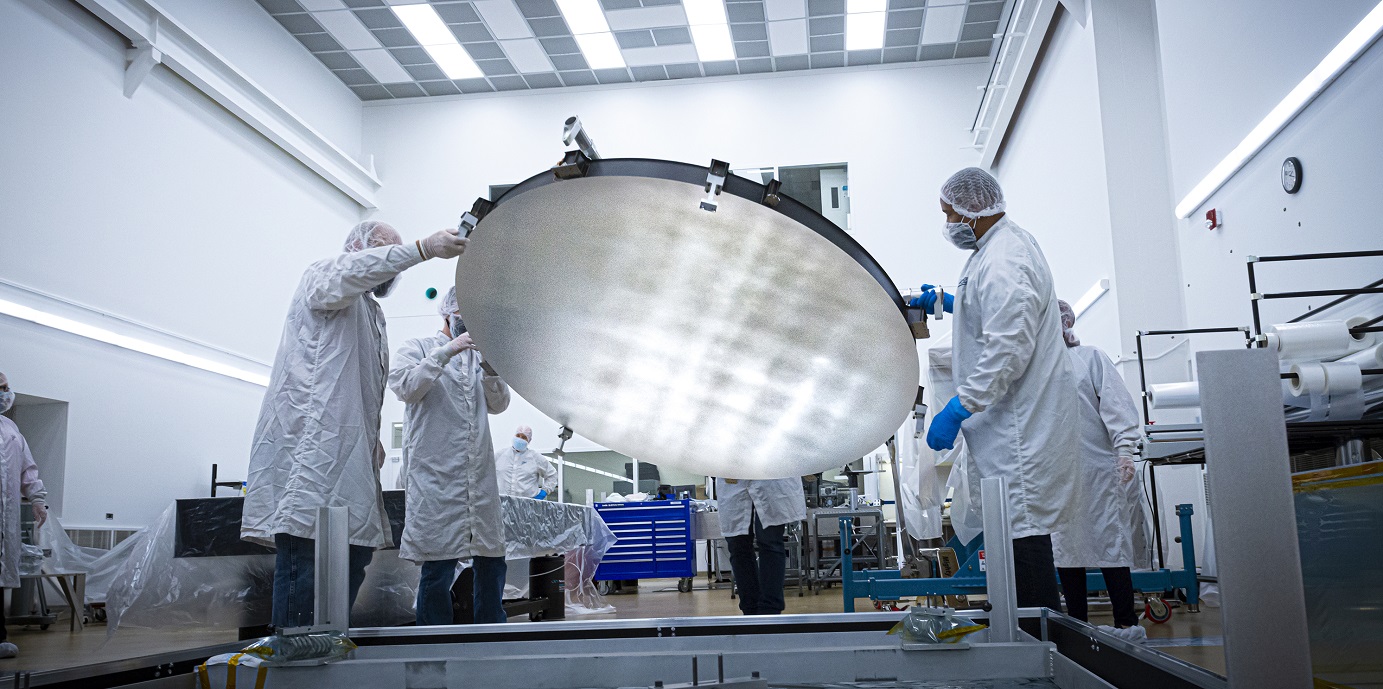
Ball's Weather System Follow-On - Microwave next-generation operational environmental satellite system (Photo: Ball Corp)
Space was a significant gap in the London-listed group's offering.
As well as the satellite systems and antenna specialities mentioned above, Ball also produces spacecraft, instruments and a variety of advanced aerospace technologies and products.
Ball's Rapid Spacecraft Acquisition IV (Rapid IV) contract serves, according to its website, as a rapid and flexible means for the government to acquire spacecraft and related components, equipment and services in support of NASA.
For example, it built the mirrors and optics for the James Webb Space Telescope, is working on NASA's Nancy Grace Roman Space Telescope, and is delivering the spacecraft 'bus' for NASA's SPHEREx Explorer mission.
“It’s rare that a business of this quality, scale and complementary capabilities, with strong growth prospects and a close fit to our strategy, becomes available,” BAE chief exec Charles Woodburn said in the statement.
“The strategic and financial rationale is compelling, as we continue to focus on areas of high priority defense and intelligence spending.”
What do analysts say?
The deal positions BAE in a “fast growing segment of the defence market so that it can capitalise on the long term uptick for defence products", said Shore Capital analyst Jamie Murray.
Ball Aerospace is “well positioned in attractive markets, notably military and civil space, C4ISR, and missile and munitions, of which demand appears exceptionally high now”.
Back in the summer, when Ball's sale was mooted and seemed a good fit due to BAE's ambition to expand in the space sector, analysts at Citi said the UK contractor should not play ball due to what it saw as a potentially low return on investment than BAE's current value.
And some analysts said today the US$5.6 billion price looks a touch on the expensive side.
But analyst Olivier Brochet at Redburn Atlantic said that while the price paid looks high, it reflects the long-term value that can be derived from the asset.