
The coming days could see the much-delayed launch of the giant rocket that Elon Musk plans will someday take astronauts to the moon, Mars and maybe beyond.
SpaceX's Super Heavy rocket, known as Starship and measuring 120 metres tall by 9m wide (394ft by 30ft), is currently being prepared for its maiden orbital launch.
Amid reports that a blast-off date of around Easter Monday could be on the cards for the two-stage rocket, Musk tweeted a video of the preparations at its facility in Boca Chica, Texas.
Starship preparing for launch ???? pic.twitter.com/M1pR8rsmYt
— Elon Musk (@elonmusk) April 6, 2023
In February, the company completed a mostly successful test ignition of its 33 engines, with 31 igniting as planned in what was the most powerful static fire test in history.
Views from drone of Booster 7's static fire test pic.twitter.com/KN4sk1nohf
— SpaceX (@SpaceX) February 9, 2023
A landing of the Super Heavy booster will be attempted in Texas near the launch site.
The company says Starship will be fully reusable to carry crew and cargo to orbits around Earth and later, to the Moon and further.
One of the biggest delays to the launch was on environmental grounds, but last year the US Federal Aviation Administration approved the lift-off.
Size matters
Starship will be by far the largest rocket due to take off from Earth and looks to be bigger than any others currently in development.
According to SpaceX, the reusable rocket will be capable of lifting more than 100 tonnes into higher geostationary orbit, compared with its current Falcon Heavy's maximum of 70 tonnes, meaning it could vastly slash the cost-per-weight.
Musk has pledged the rocket will allow a potential sixfold reduction in the cost of sending objects into space, which space industry experts have said will lead to a “giant leap forward” in what can be achieved.
Starship's maximum 150-tonne capacity for low-Earth orbit casts much shade over the next largest in the pipeline, the 45 tonnes from New Glenn, which is being built by Jeff Bezos's Blue Origin, not to mention the rockets being developed by Lockheed Martin and Boeing's United Launch Alliance and the Ariane 6 from European contender Arianespace, which are both smaller.
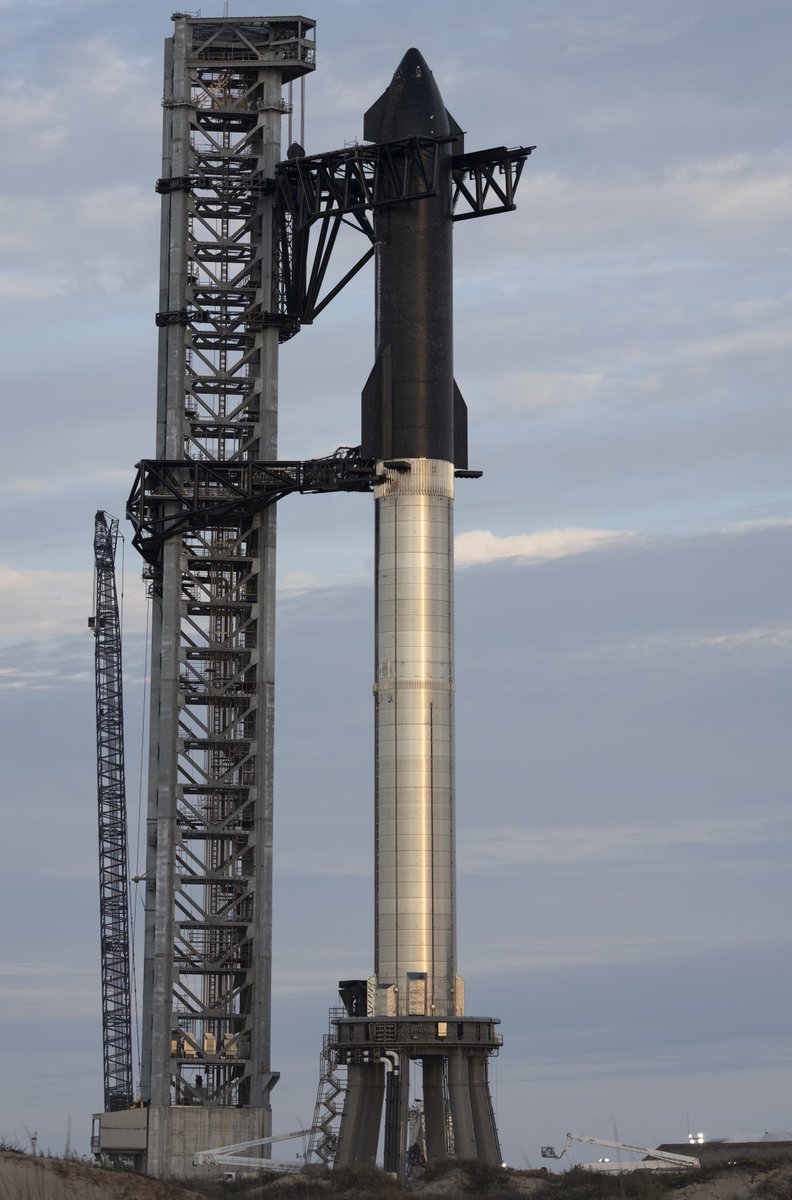
Photo: Elon Musk