
UK nuclear fusion startup Tokamak Energy has ordered several hundred kilometres of specialist tape that it needs for its plans to deliver nuclear fusion power into the grid in the early 2030s.
The Oxford-based firm today signed an agreement to buy the high-temperature superconducting (HTS) tape from Japan's Furukawa Electric and New York-based SuperPower Inc, with the first batches already received.
Tokamak's plans involve using the HTS tape in its new advanced prototype fusion device, ST80-HTS, which is based on a spherical tokamak shape – like a cored apple.
This followed its smaller ST40 device last year achieving nuclear fusion at commercial thresholds, with the machines able to achieve a higher and sustained value of fusion ‘triple product’ than any previous fusion device, it said.
Interest in nuclear fusion has rocketed in the past couple of years, with record levels of investment flooding into this sub-sector of the energy industry, with last year capped off with the excitement around developments at the US National Ignition Facility.
In theory, almost limitless energy could be created by fusion, where instead of splitting atoms as is used in the nuclear fission employed currently by the nuclear industry, atoms are combined to create huge amounts of energy.
As for Tokamak Energy, it said the new ST80 device would be the world’s first high field spherical tokamak using HTS magnets at scale and will be "a key stage" in the path to its fusion pilot plant.
The pilot which is targetted for commissioning by 2026 and will be used to design its planned 'ST-E1' fusion pilot plant that the company hopes will demonstrate the capability to deliver up to 200 MW of net electricity into the grid in the early 2030s.
HTS magnets are used to confine the fusion fuel as it reaches temperatures above 100mln degrees Celsius.
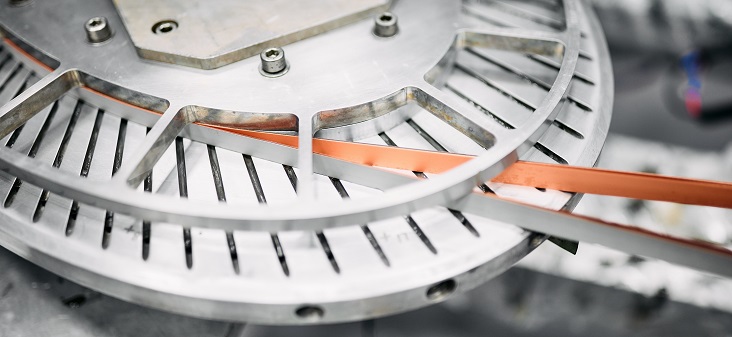
Tokamak said with production of the tape having already begun at SuperPower’s New York facility, the companies are evaluating scale-up plans to meet the requirements for the planned pilot plant and future commercial fusion power plants.
Chris Kelsall, Tokamak's chief executive, said building the next prototype “is a key milestone in our mission to deliver commercial fusion as a clean, sustainable, low cost and globally available energy source" and that securing partnerships with the likes of Furukawa “strengthens our capability to address the twin challenges of climate change and energy security”.